
Blog

Why Packaging Design Quietly Decides How Your Brand Gets Judged?
A shopper walks into a supermarket and passes roughly 300 products a minute. Somewhere between three and seven seconds after a pack enters their field of view, a decision is already forming. They won't call it a decision. They'll call it a feeling.
How AI Is Actually Being Used in Product Photography Right Now?
Unilever reported that its AI-driven product shoot pipeline delivered up to 55% cost savings, 65% faster turnaround, roughly three times the dwell time, and double the click-through rate on the assets it produced. That is the honest headline number from one of the largest FMCG groups in the world, and it did not come from typing a prompt and hitting generate. It came from a hybrid workflow that sits somewhere between a CGI studio and a traditional shoot.

Visual branding: define, differentiate, and drive ROI
Most marketing teams assume that a polished logo and a consistent color palette are enough to call their visual branding done. That assumption is costing them. Research shows that structured brand platforms yield 367% ROI over three years, with measurable benefits reaching $4.22 million from efficiency gains, cultural alignment, and marketing performance. Visual branding is not a one-time design project. It is a living system that shapes how your audience perceives, remembers, and trusts your company across every touchpoint. This article breaks down what visual branding actually means at a strategic level, what its core components are, and how to implement it in a way that generates real, trackable results for your team.
The Role of CGI in Modern Beverage Advertising
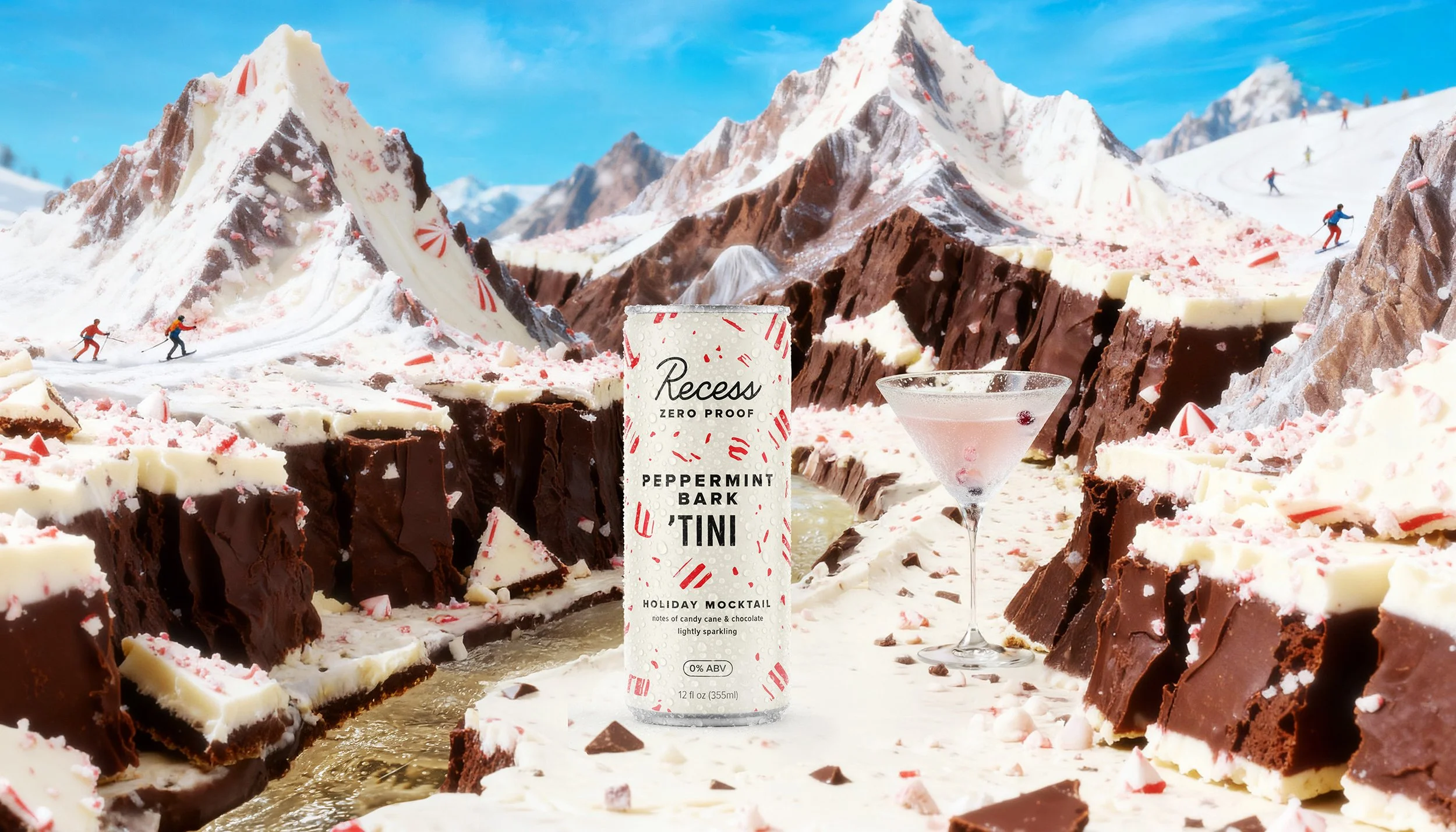
Some of the most-shared beverage ads of the last two years were not shot on set. Coca-Cola's 2024 FOOH Christmas truck, emerging from a billboard onto a snowy Finnish street, pulled a reported 12.3 million views on social. A run of bottle, can, and cocktail "stunts" followed from brands that had never used CGI as anything more than a finishing tool. The camera never left the laptop.
That is the quiet shift behind this piece. CGI in beverage advertising is no longer the premium option reserved for the hero shot. It has become the working default for anything variant-heavy, surreal, or globally adapted. Photography still has its place, and we'll be honest about where. But the decision of whether a job is CGI, photo, or a hybrid is now a production-planning question, not a special-effects one.
How graphic design shapes brand identity: key strategies
Most brand managers assume that once the logo is locked and the color palette is approved, the hard work of branding is done. That assumption is expensive. Graphic design is not the finishing coat on top of a brand strategy — it is the mechanism through which that strategy becomes real, visible, and felt by customers. For technology and automotive companies especially, where products are complex and audiences are skeptical, visual language carries enormous weight. This guide breaks down how graphic design functions within a brand identity system, what pitfalls to avoid, and how to build a visual presence that earns trust and recognition at every touchpoint.
Why ad agencies rely on post-production for powerful campaigns
Most marketing executives think of post-production as the final polish pass, the stage where someone tweaks the brightness and calls it done. That assumption costs campaigns more than it saves. Post-production is actually the creative engine that transforms raw footage and assets into work that moves audiences, builds brand equity, and drives measurable results. This article covers what post-production truly involves, why agencies gain a strategic edge by prioritizing it, how the workflow actually runs, and what the rise of AI means for how you manage it going forward.

How 3D Artists Elevate Advertising: Visual Impact & Innovation
Most iconic car and tech ads you see today were never filmed on a physical set. The gleaming vehicle rotating in perfect light, the smartphone dissolving into its components, the immersive virtual showroom — these are the work of 3D artists whose contribution is rarely credited but almost always essential. Yet most marketing teams still treat 3D as a finishing step rather than a strategic creative force. That’s a missed opportunity. This article breaks down exactly what 3D artists do, how their work compares to traditional production, and how you can integrate them earlier and smarter into your ad campaigns.

Visual content trends for campaign success in 2026
Visual content now carries more weight than ever in determining whether a campaign breaks through or disappears into the feed. 94% more views go to visual content compared to text-based posts, and roughly 90% of all information the brain processes is visual. Yet the biggest shift in 2026 is not about producing more visuals. It is about producing the right kind. The assumption that flawless, AI-generated imagery automatically wins audience trust is being overturned by data, and the brands adapting fastest are the ones reshaping their creative strategies around authenticity, sensory engagement, and smart use of technology. This guide maps the key trends and gives you a practical framework to apply them.

Visual content creation guide: boost engagement and brand impact
Marketing teams that rely on text-heavy campaigns are quietly losing ground to competitors who let visuals do the heavy lifting. Visual content drives dramatically higher engagement and ROI than text-based content alone, and the gap is only widening. Whether you are running paid social for a tech brand, building a startup's identity from scratch, or managing creative output for a busy ad agency, the quality and strategy behind your visual content will define your results. This guide walks you through the business case, the content types, the creation workflow, and the measurement frameworks that separate forgettable campaigns from ones that actually move the needle.

What Is Visual Identity? Guide for Tech and Automotive Brands
Visual identity is one of those concepts that sounds straightforward until a major brand spends millions on a rebrand and watches its sales fall. The truth is, visual identity is far more than a logo sitting on a business card. It is the entire visual language a company uses to communicate who it is, what it stands for, and why it matters. For marketing managers and brand strategists in tech and automotive, getting this right is not optional. This guide breaks down the core components, the methodology, the sector-specific rules, and the governance principles that separate brands that endure from those that stumble.
How a creative production company elevates brand storytelling
Powerful software and a growing library of AI tools have made it easier than ever to generate visuals at scale. Yet the brands that consistently command attention — the ones whose campaigns feel considered, credible, and memorable — are not simply the ones with the best technology stack. They are the ones that pair technology with strategic artistry and disciplined creative judgment. A creative production company sits at that intersection, translating a brand’s vision into imagery that does real work in the market. This guide breaks down what these studios actually do, how hybrid workflows operate, and what separates a partner worth trusting from one that just delivers files.
Essential design assets every agency needs for max impact
Managing design assets across multiple clients, campaigns, and creative teams is one of those operational challenges that sneaks up on agencies fast. One week you’re producing flawless brand visuals, and the next you’re hunting through shared drives for the right logo variation while a deadline closes in. The agencies that scale without chaos are the ones that treat their design asset library as a living system, not a folder full of files. In this guide, we walk through the essential design assets every agency should have, how to audit what you own, and how to make those assets work harder across every project.
How to build an innovative creative workflow for FMCG brands
Creative bottlenecks are quietly draining FMCG brand budgets. When artwork approvals stall, campaign assets miss launch windows, and visual messaging loses consistency across channels, the ripple effects reach far beyond the marketing department. Every delayed product visual is a missed shelf moment, a weakened consumer impression, and a gap your competitors are ready to fill. This guide walks through how to rethink your creative workflow from the ground up, covering the right process structure, the tools that actually move the needle, and how data-driven testing keeps your visuals performing long after launch. The goal is a faster, more reliable pipeline that still leaves room for genuine creative impact.
How design drives impact in modern advertising campaigns
Design is not decoration. In advertising, it is the mechanism that decides whether a viewer stops scrolling or moves on, and that decision happens in under five seconds. For marketing professionals and brand managers in technology and automotive sectors, this is not a minor detail. It is the difference between a campaign that converts and one that disappears into the feed. This guide breaks down how foundational design principles, attention science, emerging technologies, and brand-specific visual strategies work together to produce advertising that earns measurable results. If you have ever wondered why some ads feel magnetic while others feel forgettable, the answer almost always lives in the design.

Where Smart Online Stores Are Actually Getting High-Quality 3D Product Renders
If you run an online store, you already know the uncomfortable truth: shoppers decide in seconds, and those seconds are almost entirely visual. A flat phone snap against a wrinkled backdrop will not carry a product the way a clean, believable 3D render will. So the question a lot of store owners keep typing into Google is a very fair one: where can I actually get high-quality 3D product renders that make my store look like the brands I admire, without the usual back-and-forth and hidden costs?

Beyond the Studio Shoot:
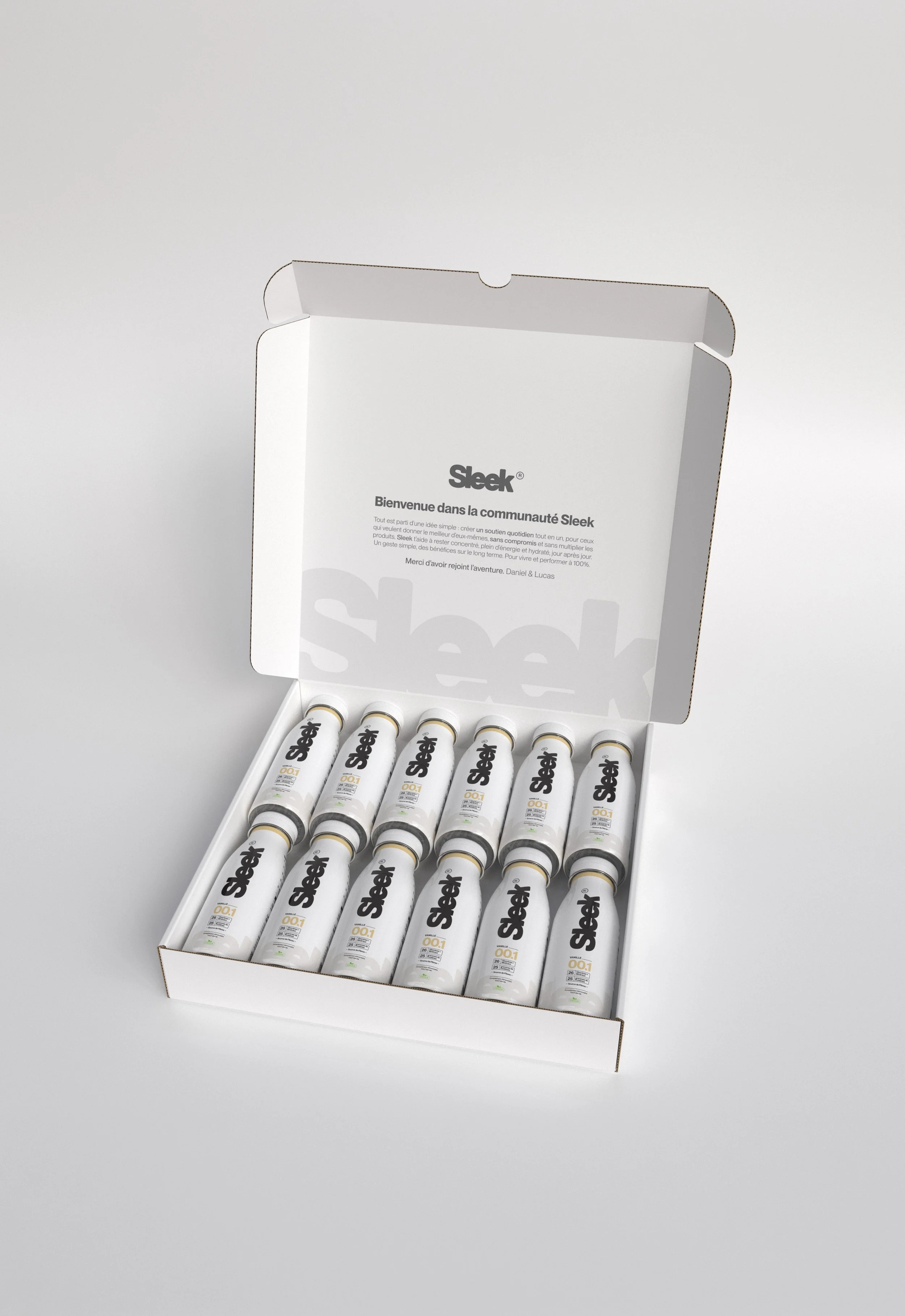
Somewhere between the photographer calling “that’s a wrap” and the moment a customer decides to click Add to Cart, most e-commerce brands are losing the sale. Not because the product isn’t good. Not because the price is wrong. But because the image that one still frame standing in for a physical experience the customer can’t have isn’t doing its job.
We’ve been working in post-production for over two decades, and the truth we keep coming back to is this: the shoot is only half the story. The other half, retouching, compositing, color grading, background work, shadow, and reflection control, is where a good product image becomes a great one. And increasingly, it’s what separates brands that convert at a healthy rate from those that don’t.
If you’re evaluating studios or agencies for your next product photography project, this guide is meant to help you think about the full picture, not just who can take a nice shot, but who can actually deliver retail-ready, platform-optimized imagery from end to end.
Pixels That Sell
The real challenge for most brands is not finding someone who can edit photos. It is finding a partner who can handle the full production pipeline: from raw capture or AI generation all the way through to marketplace-ready files that look consistent across hundreds of SKUs. That is a very different thing.

Beyond the Prompt
Looking for a post-production agency that works with AI-generated imagery? Learn what separates real craft from hype and how to find the right visual production partner for your brand.

PoolBar London
PoolBar London’s brand aesthetic is defined by sunlit nostalgia, graphic stripes, and a polished retro-resort sensibility. Supporting imagery leans into saturated yet soft coastal tones — butter yellow, mint, sky blue, coral, and creamy neutrals — paired with crisp whites and bold accent reds. The visual language balances playful femininity with refined minimalism: clean compositions, strong directional sunlight, sculpted shadows, and tactile surfaces like tiles, towels, and sun-warmed skin. Stripes are a recurring motif across packaging and environments, reinforcing brand recognition while evoking classic European pool culture. Overall, the style feels aspirational yet effortless — premium, summery, and confidently graphic.
From Local Hero to Global Brand
I should probably have written this article in Turkish, but I chose English for a reason. The audience I aim to reach in Turkey is unlikely to read it anyway. They will look for solutions elsewhere. And to be honest, I am not the only one raising these issues—though apart from a few exceptions, I rarely see anyone addressing them.
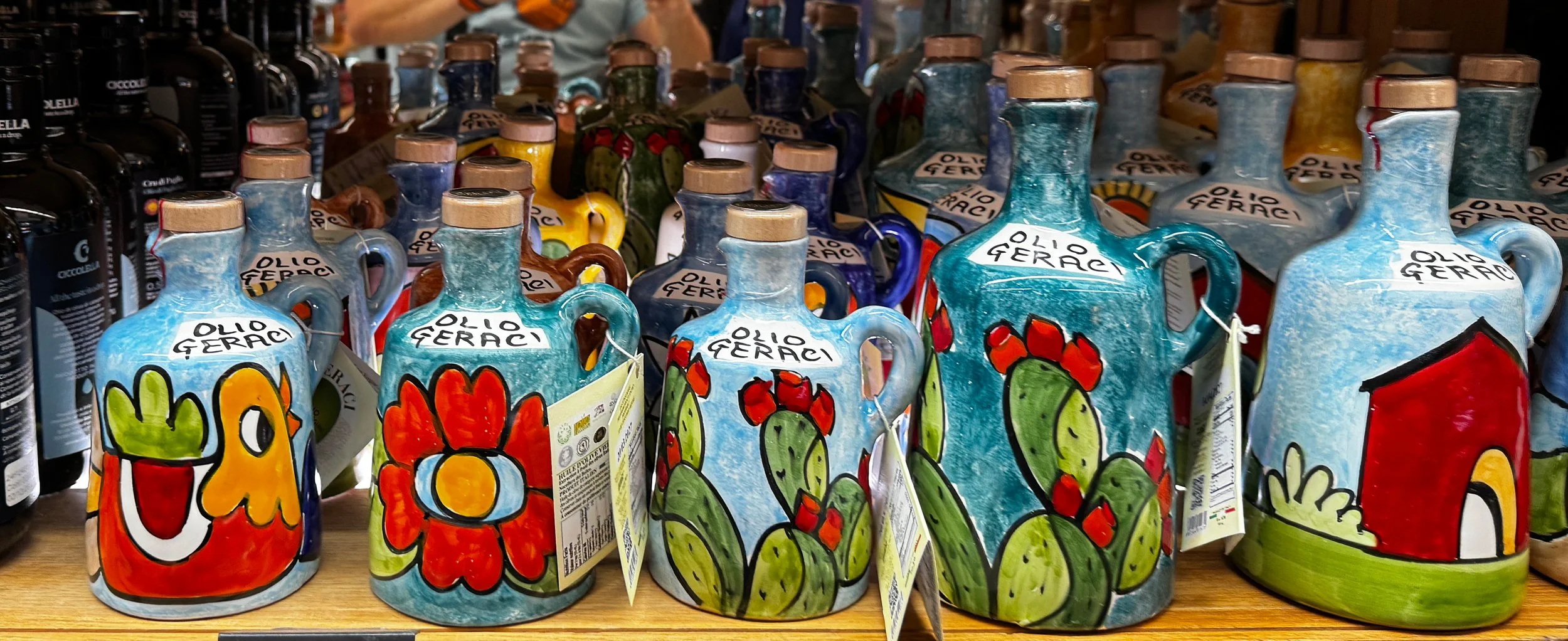
Turkey is a global leader in certain agricultural products. Take hazelnuts, for example. Turkey produces 70% of the world’s supply, yet the market is controlled by Germany and Italy (Ferrero). Even though higher-quality products exist in Turkey, no strong local brand emerges to challenge Nutella on the global stage. Another example is olive oil. My personal connection with olive oil began after I got married. My family grows hazelnuts, so for us, olive oil was just something you picked up from the supermarket among the standard brands. But for my wife’s family, olive oil holds the same place as hazelnuts do for mine. Over the past 15 years, I’ve learned a lot about this market simply by observing.