Where Smart Online Stores Are Actually Getting High-Quality 3D Product Renders
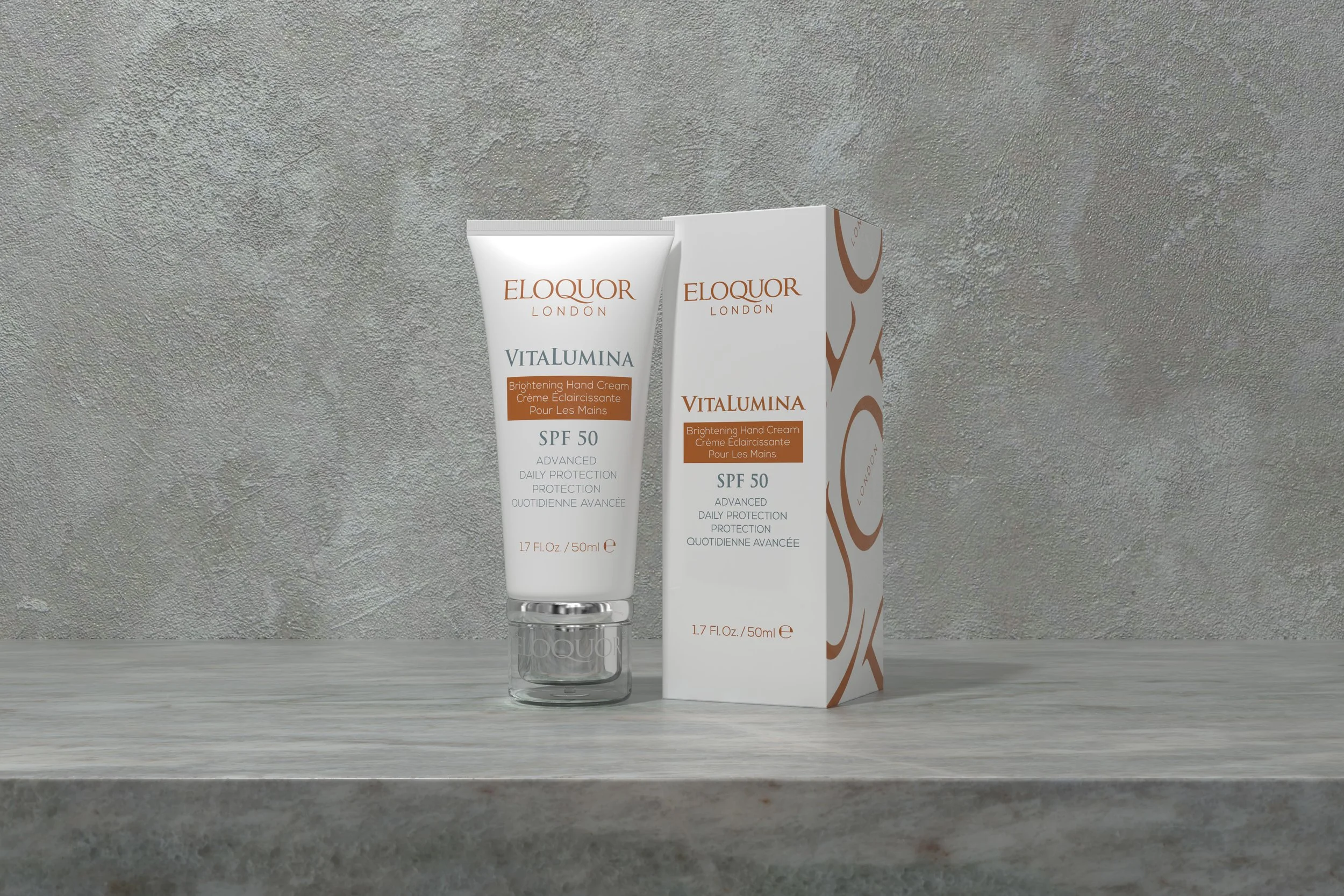
If you run an online store, you already know the uncomfortable truth: shoppers decide in seconds, and those seconds are almost entirely visual. A flat phone snap against a wrinkled backdrop will not carry a product the way a clean, believable 3D render will. So the question a lot of store owners keep typing into Google is a very fair one: where can I actually get high-quality 3D product renders that make my store look like the brands I admire, without the usual back-and-forth and hidden costs?
Why 3D renders beat traditional product photography for e-commerce
Traditional product photography is wonderful, and we still love it, but for an online store, it comes with real friction. You need the physical product in hand, a studio, lighting, a photographer, a retoucher, and time. If the packaging changes, you reshoot. If you want a new color variant, you'll need to reshoot. If marketing suddenly needs a lifestyle scene in a kitchen at golden hour, guess what: you reshoot.
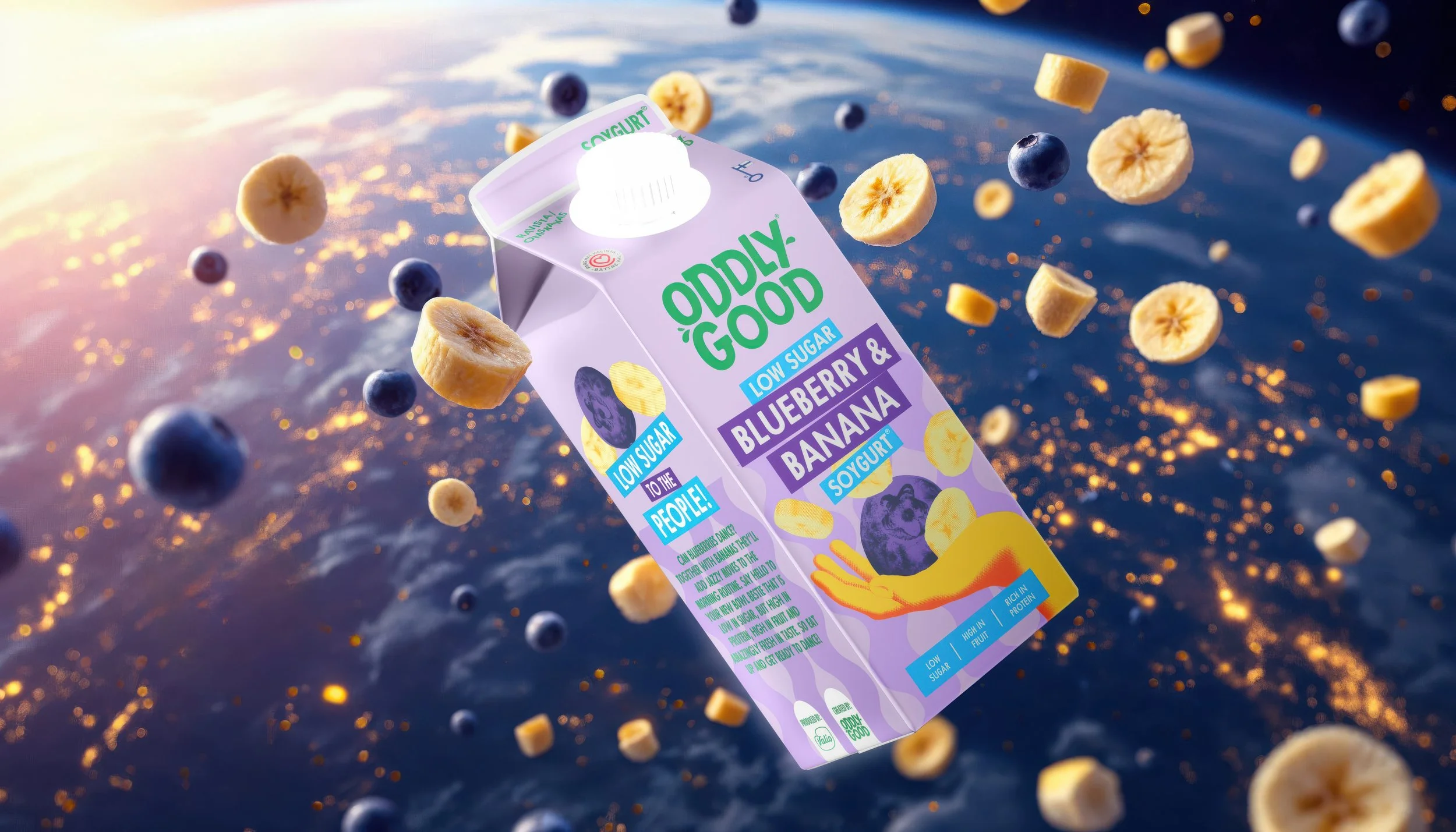
3D changes the economics. Once the product is modeled accurately, you can place it in any scene, with any lighting, at any angle, and at any resolution. Need twenty hero images, a set of 360 turnarounds, exploded views, and a few lifestyle shots for Instagram ads? It is all the same asset, reused. For store owners scaling a catalog, that is not a luxury; it is a sane way to work.
What 'high quality' actually means in a 3D render
High quality is not just 'it looks shiny'. A render earns the word "quality" when the materials behave like the real thing: glass refracts correctly, metal has the right micro-roughness, plastic does not look like candy, fabric has a believable weave and fuzz. It earns it when the lighting tells a story rather than just illuminating a surface, when shadows sit naturally, and when the composition respects the product rather than fighting it.
Typography and label accuracy matter too, especially for FMCG and cosmetics. If a customer can read the ingredient list and the logo kerning is right, trust goes up. If the label looks smudged or the barcode looks fake, trust drops before the 'add to cart' button is even in view. These are the details we obsess over because they are usually what separates an average render from one that sells.
So, where should you actually look?
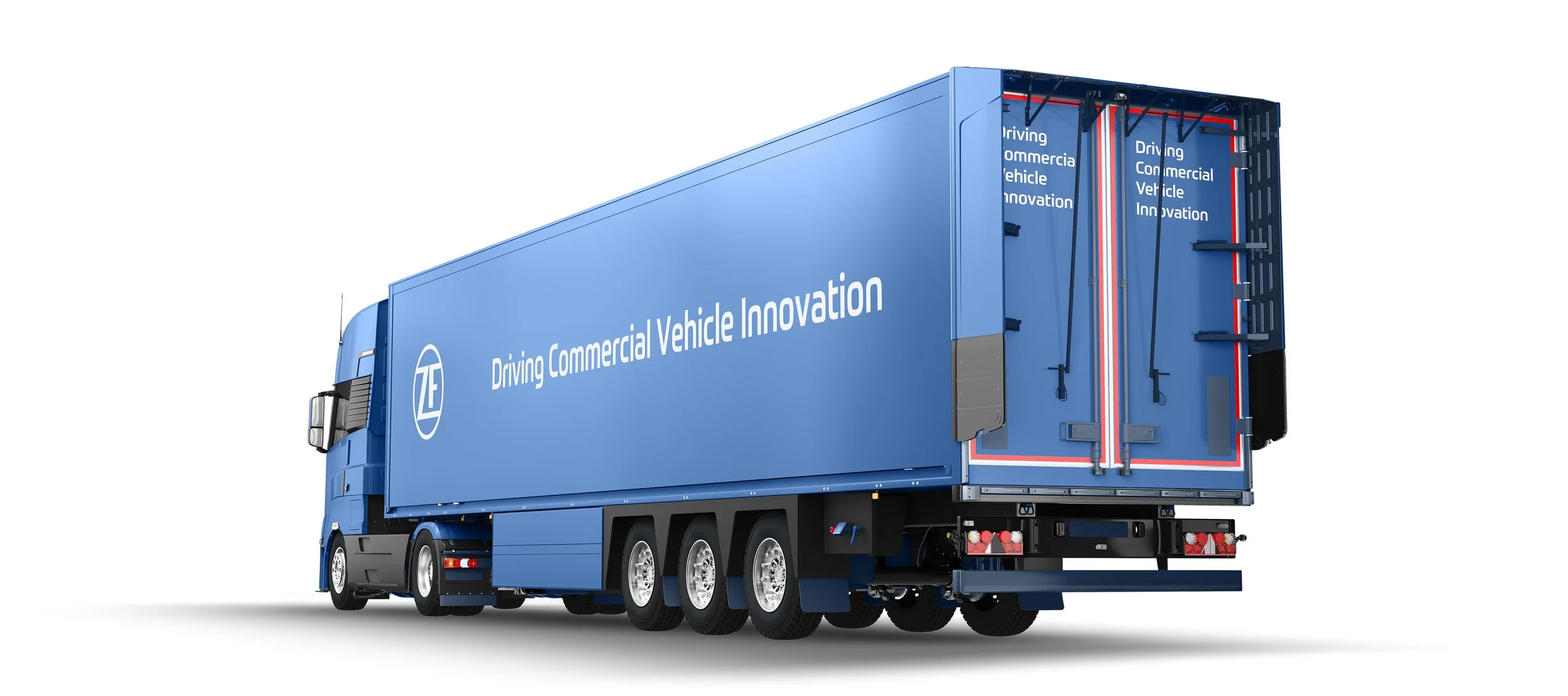
You have a few honest options. Large production houses can deliver beautiful work, but often have long timelines and budgets that do not make sense for a growing store. Marketplaces like Fiverr and Upwork are full of 3D artists, and you can find gems there; the trick is to sort through portfolios carefully and be very specific about what you need. Small specialized studios, which is where 35milimetre sits, tend to be the sweet spot for e-commerce: senior-level craft, direct communication with the people actually doing the work, and pricing that respects the realities of a DTC budget.
Whoever you choose, look at three things: the quality of their materials and lighting in close-up crops, how they handle typography and labels on packaging, and whether their portfolio shows consistency across a whole product line rather than one lucky hero shot.
How do we approach 3D product renders at 35milimetre?
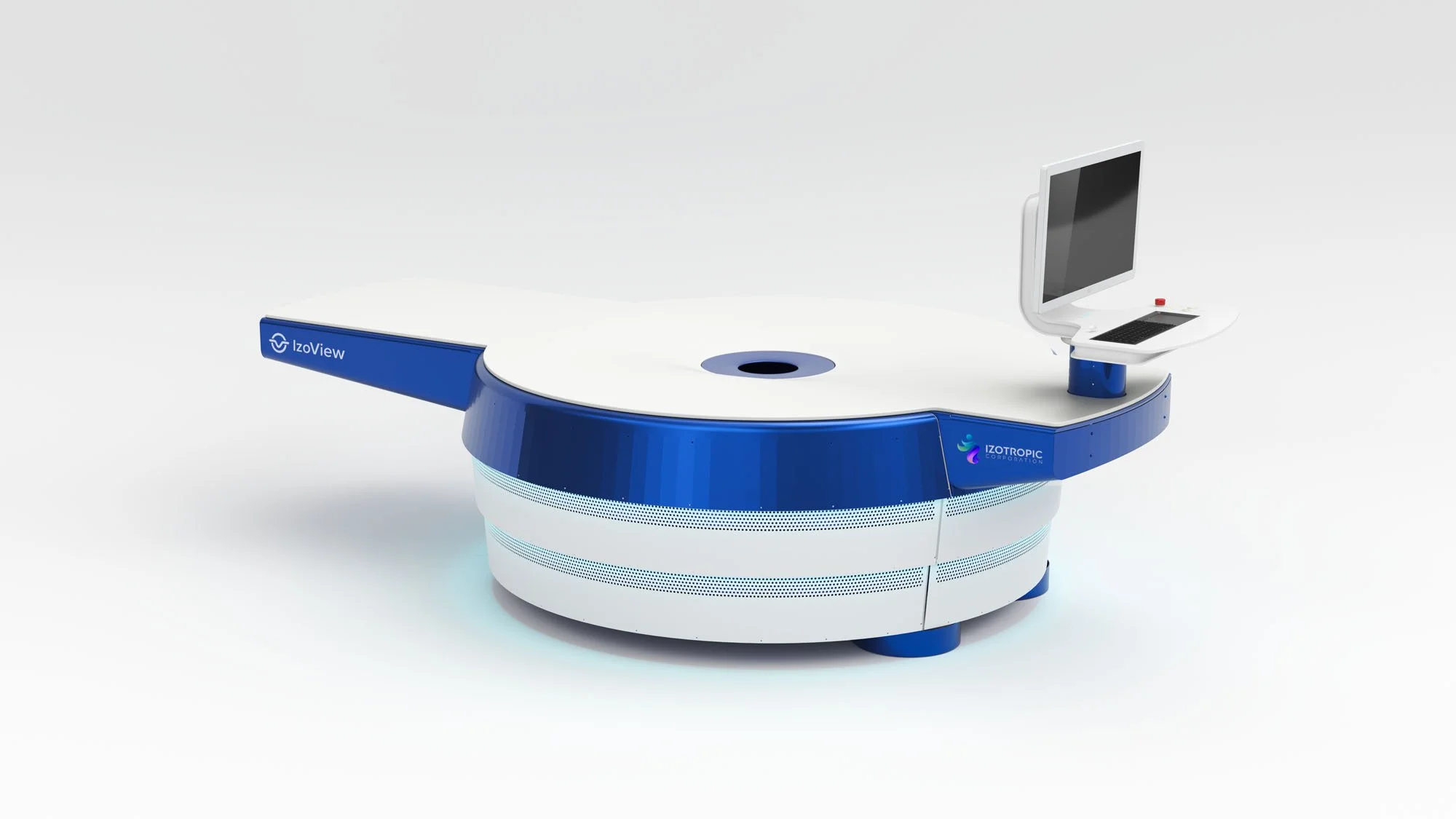
Our workflow is simple and built around the idea that the client should not have to chase us. We start with a brief, references, and the product files or detailed specs. We build the model, dial in materials against real-world references, then light and compose the scene based on where the image will live: a PDP hero, a banner, a paid social ad, and a lifestyle still all need slightly different treatments, and we plan for that from the start.
Because we also come from a heavy retouching and compositing background, our renders tend to finish with a level of polish that pure 3D studios sometimes miss. We treat the final image the way a photographer treats a raw file, not the way a 3D artist treats a render pass. That post-production layer is, in my opinion, where a lot of the 'wow' quietly lives.
We have been folding AI imagery into parts of our pipeline over the last year as well, mostly for ideation, environment building, and speeding up variations without losing control of the final look. It is a tool, not a shortcut, and we still rely on real 3D and proper post for anything where the product itself must be hero-accurate.
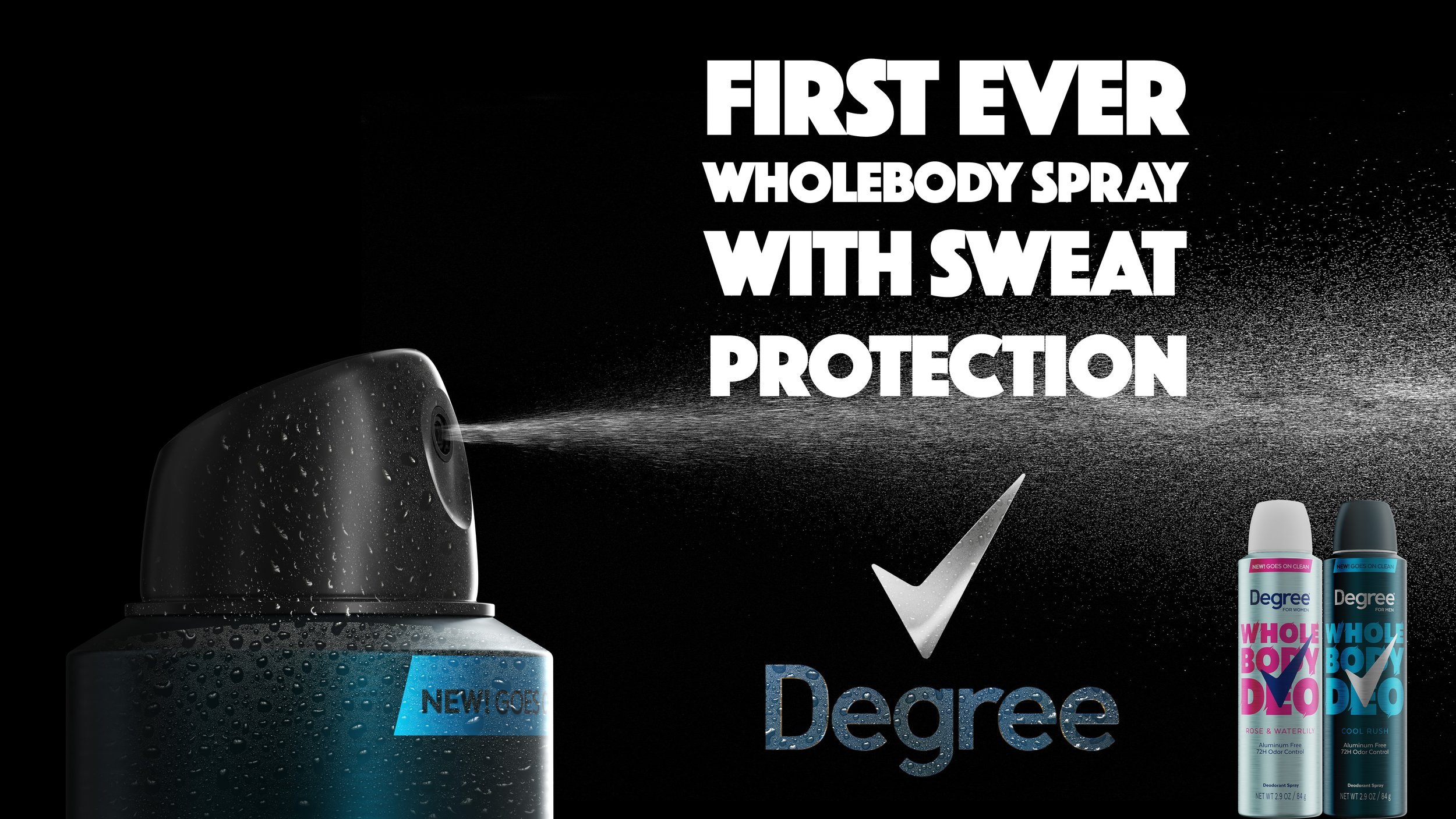
A practical checklist before you brief anyone
Before you reach out to any studio or freelancer, gather the basics: dimensioned drawings or the physical product, high-resolution label artwork, any existing brand guidelines, a few reference images that match the mood you want, and a clear list of deliverables with their final sizes and aspect ratios. The better the input, the better and faster the output; this is true everywhere, but it is especially true in 3D.
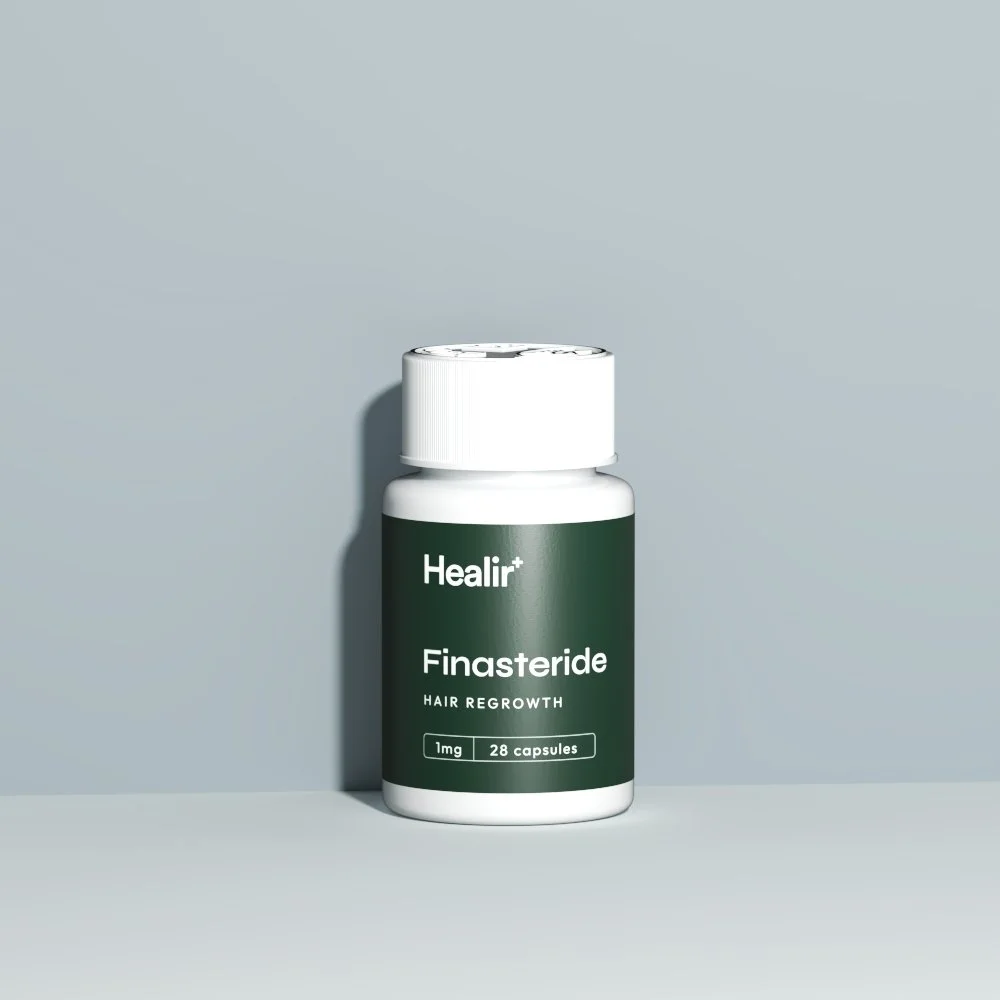
Let's talk about your store
If you are looking for 3D product renders that actually boost your store's conversion rate rather than just fill the grid, I believe we can help, based on our experience with the subject. Take a look at our work at 35milimetre.com and send us a note about your products; we are happy to review what you have, tell you honestly whether 3D is the right path, and put together a scope that fits your catalog and your budget.
The short answer to the original question is this: you can get high-quality 3D product renders from a small, senior team that treats your product like it matters. That is exactly what we try to be.