
Articles
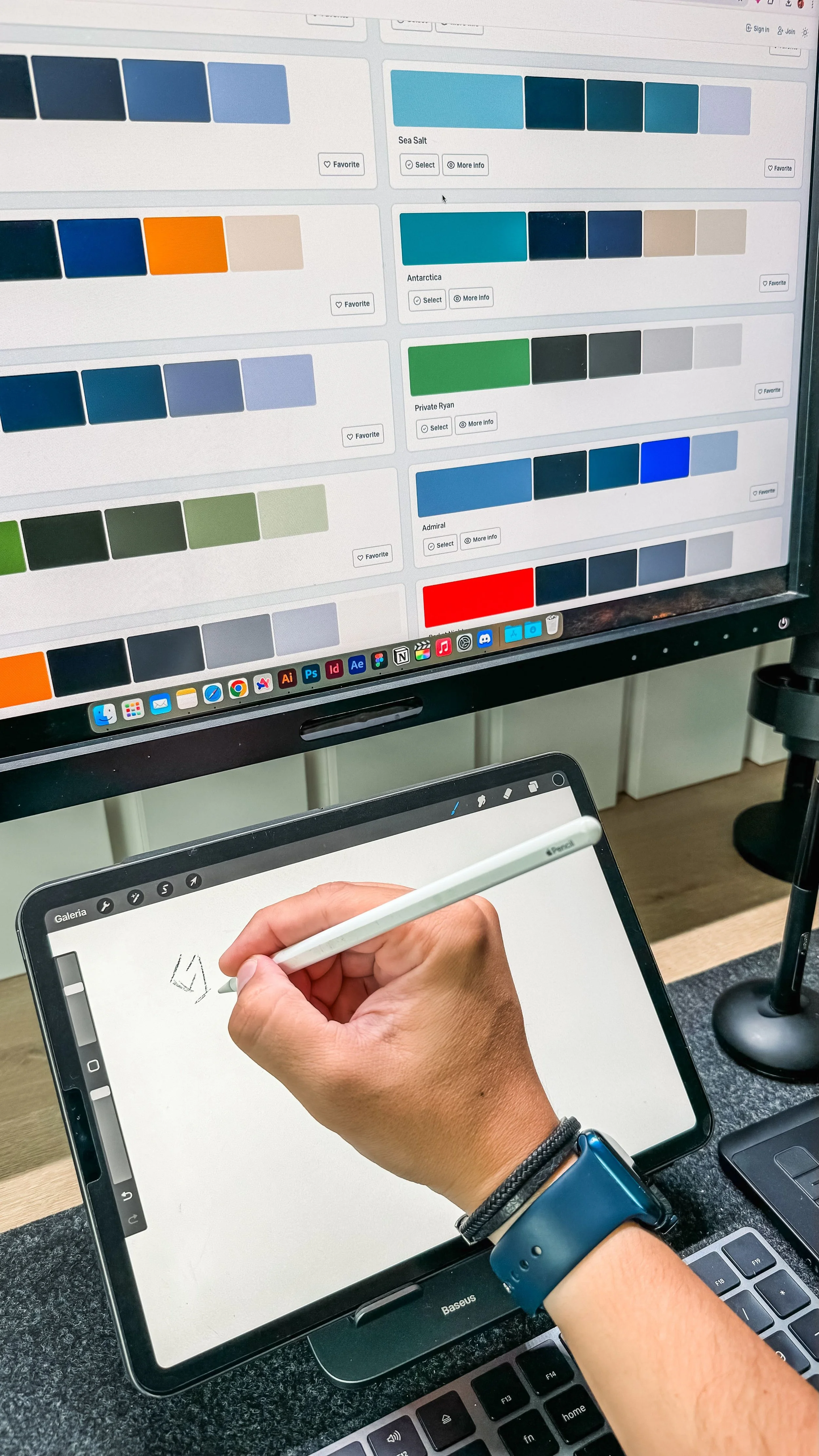
The Handmade Branding Trend Just Became a Real Brief, Not a Look
The last time I wrote about retouching vanishing slowly from my invoices while branding work had been taking over that area. That is now where that space is being directed: briefs which, in simple terms, request something to look "handmade."
It isn't 'warm' and not 'premium'; instead it is handmade, particularly and now with a complementary range featuring the phrase 'not AI-looking'. I have come across that expression so frequently that it is no longer just the subject of a trend article; it has become a standard specification.
What I would like to discuss in the following is the difference between carrying it out well and merely pretending to, since at the moment the majority of the stuff being shipped under that label is the latter and it wouldn't make it through a second season.
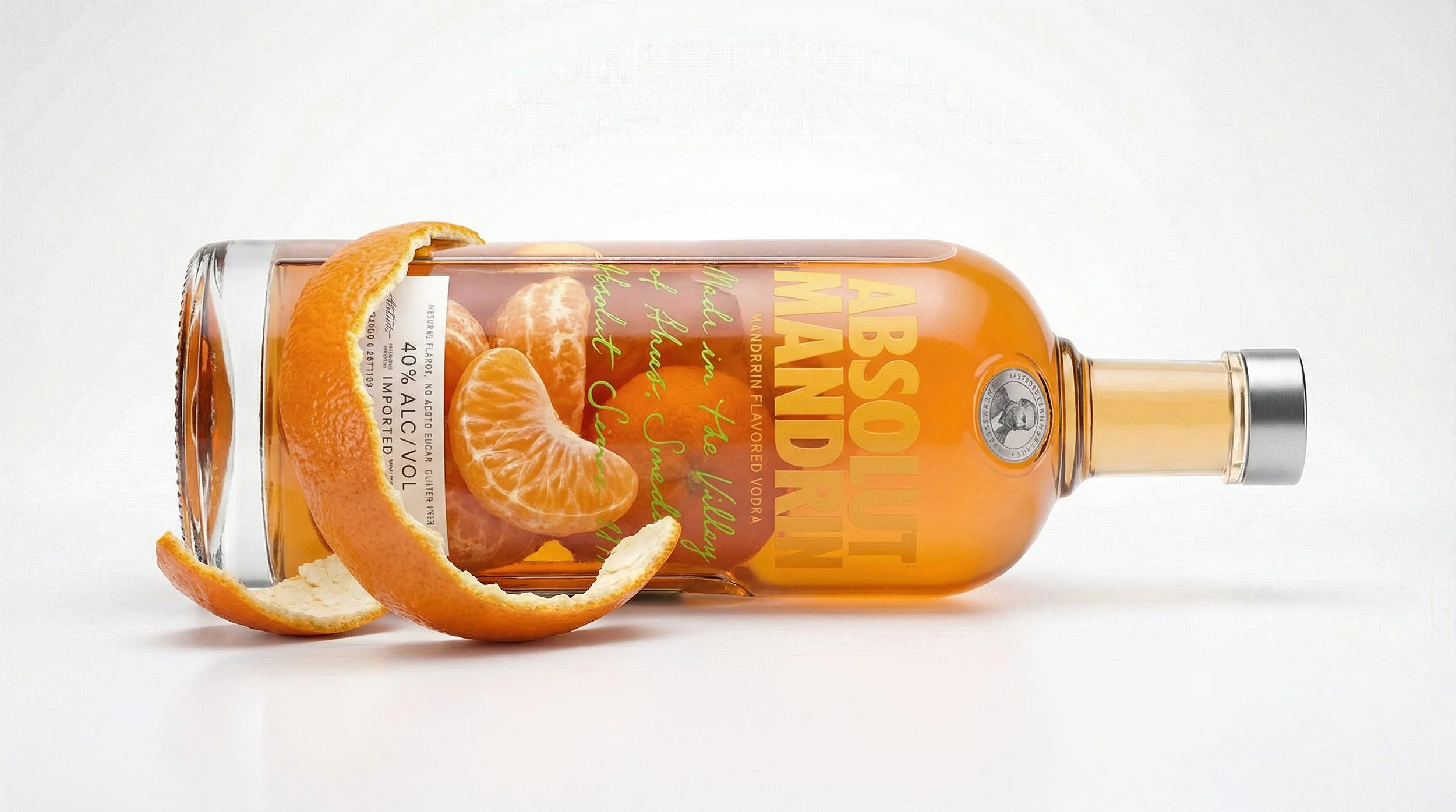
How Photo Retouching Disappeared From My Studio in Five Years — and Branding Didn't
Five years ago, retouching and 3D carried my studio. Today retouching has nearly disappeared as a line item, 3D is a smaller and more specialized market, and branding and label design are busier than ever. Here's the honest read on why, from a three-person post-production shop that's lived through the shift.

The Future of Freelancing: The Floor Collapsed, Not the Ceiling
Fiverr is down about 97% from its peak, and everyone is reading that as proof AI killed freelancing. The numbers say something more specific: buyers down 22%, spend per buyer up 16%, $1,000-plus projects up 13%. The floor collapsed; the ceiling went up. I wrote about what that actually means for anyone selling creative work, including the uncomfortable bit nobody in this debate wants to touch: if AI eats the bottom rung, where does the next generation learn?

So You Want an AI Influencer: What Actually Goes Into Making One Work
Everyone's talking about AI influencers like they're a prompt away. They're not: the hard part is keeping one character's face consistent across dozens of scenes, and the disclosure rules just got real. Here's what actually goes into building one that holds up.
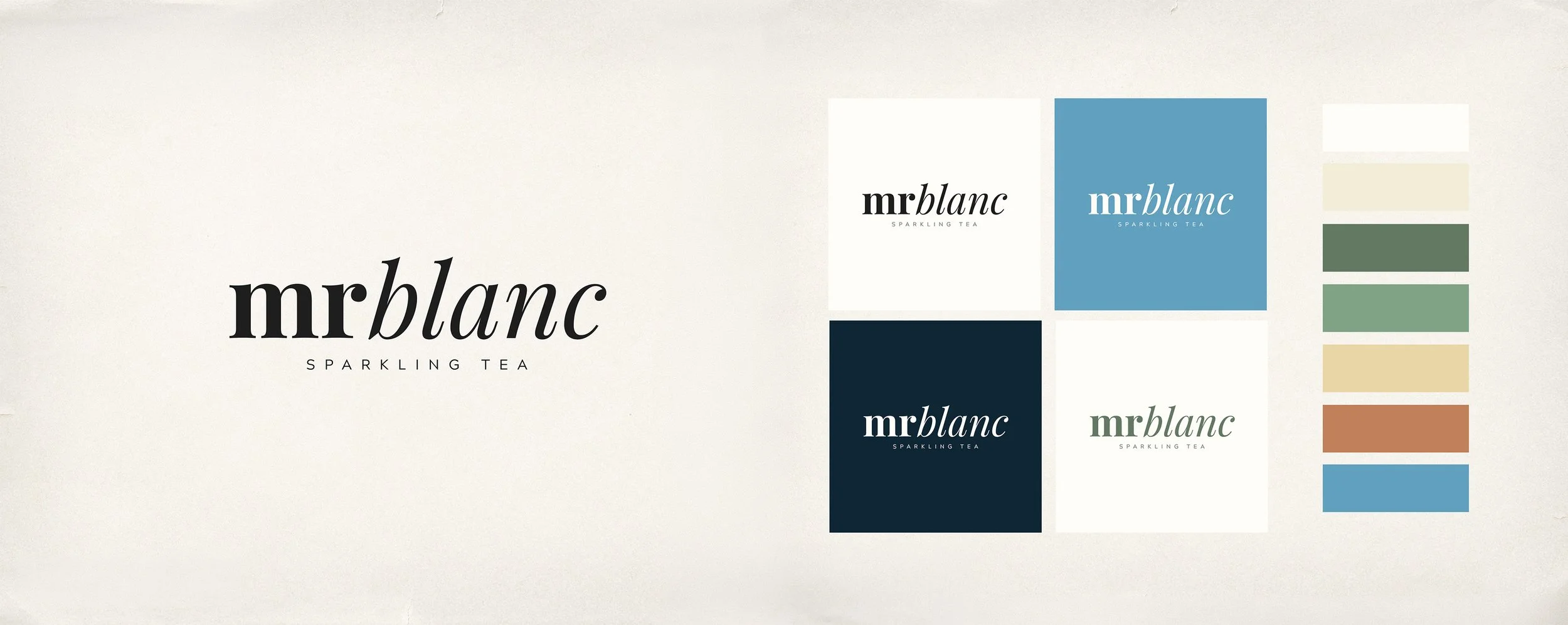
Why We Design Brand Identity Systems That Can Survive a Rebrand
We built Societea's brand identity in November. By February, the name had to change for legal reasons in Australia, and it relaunched as MrBlanc. The palette and mark logic carried straight through, because that's what an identity system is for.
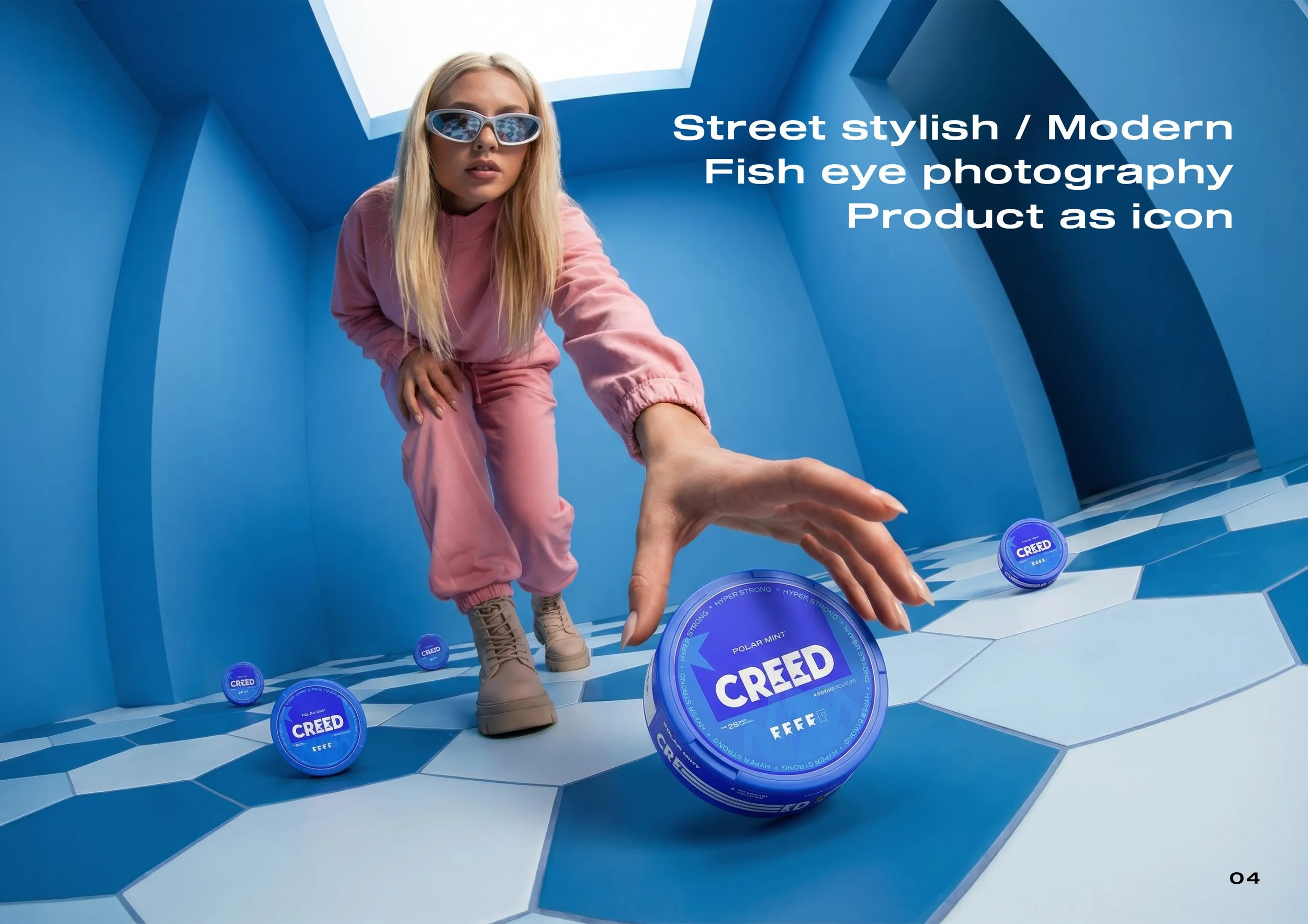
CREED Case Study: A Nicotine Pouch Packaging System
A "redesign our can" brief turned into a full visual identity system once we dug into what CREED actually needed: not one polished label, but a repeatable brand DNA that scales across flavors, strength levels and merch. Here's how a phased delivery let the client ship fast without boxing in the system later.
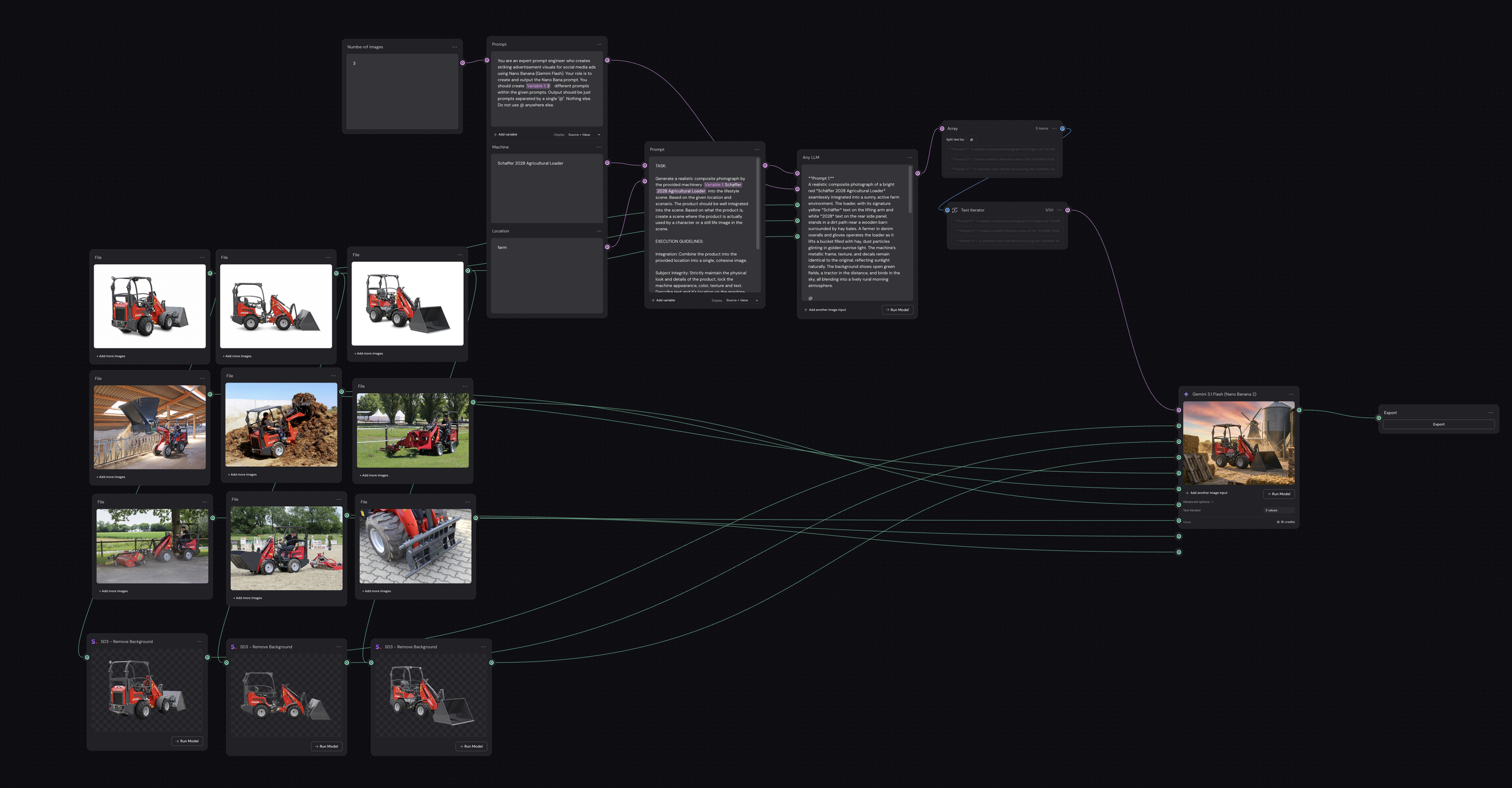
How Node-Based AI Workflows Are Changing Product Content for Beverage and Supplement Brands
Figma just paid roughly $200 million for a two-year-old workflow tool. That's not a fluke; it's a signal of where product content is heading. In our latest post, we look at how node-based AI workflows, from ComfyUI's open-source roots to Figma Weave and Magnific Spaces, are changing how beverage and supplement brands produce visual content: turning one reference photo into a full pipeline of scenes, backgrounds, and campaign assets without the reshoot budget that used to require.
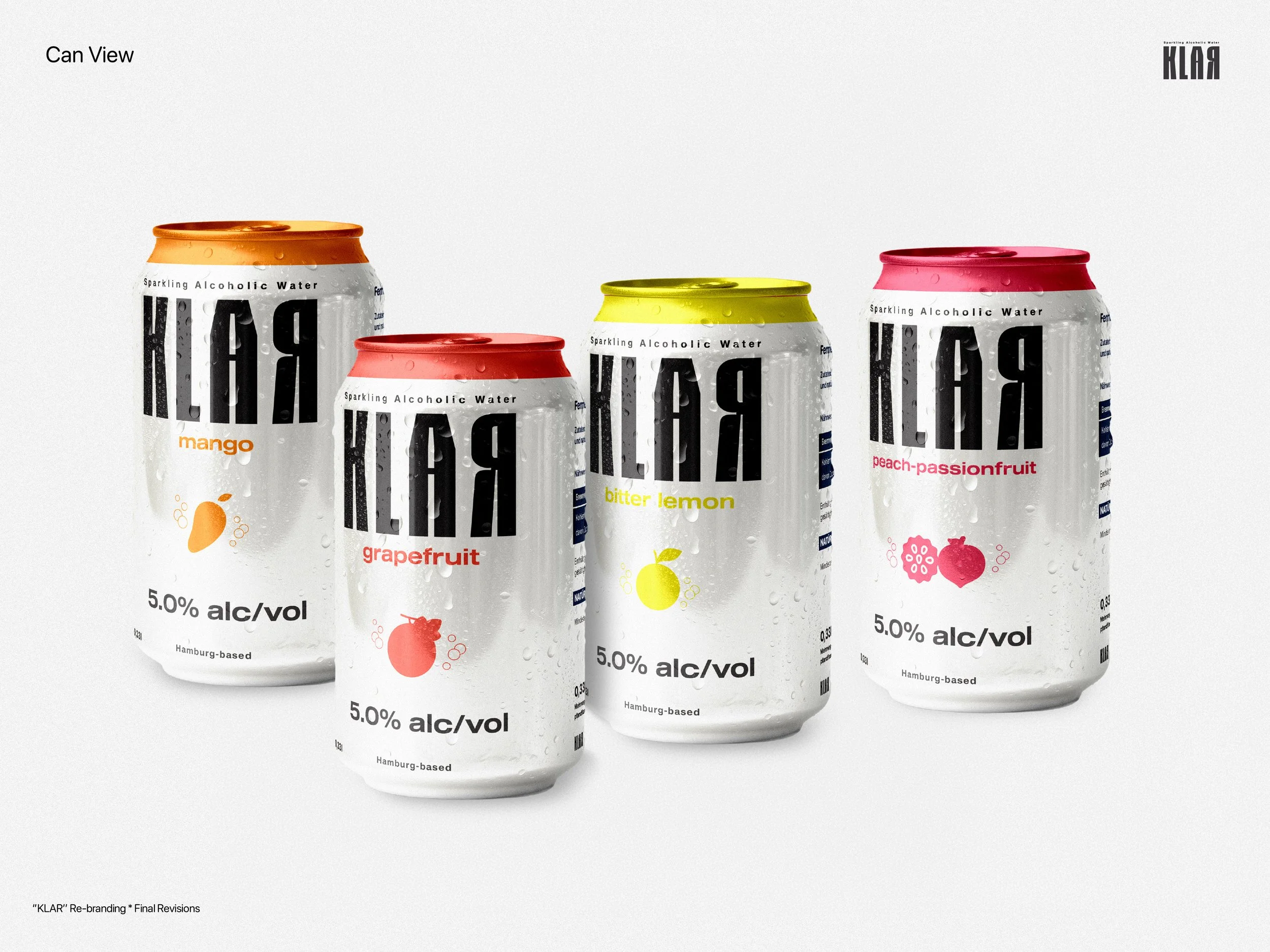
From Blank Label to Shelf-Ready: The Story Behind Klar's Rebrand
Every so often, a rebrand comes along that's less about refreshing a look and more about solving a bigger problem: how do you get a customer to understand what your product even is, at a single glance, in a category that doesn't really exist yet? That was the challenge facing Klar, a Hamburg-based alcoholic sparkling water brand, when it set out to rebuild its identity from scratch. Here's how a blank slate, a lot of feedback rounds, and one stubbornly crooked letter turned into a bottle that finally looked like what it was.
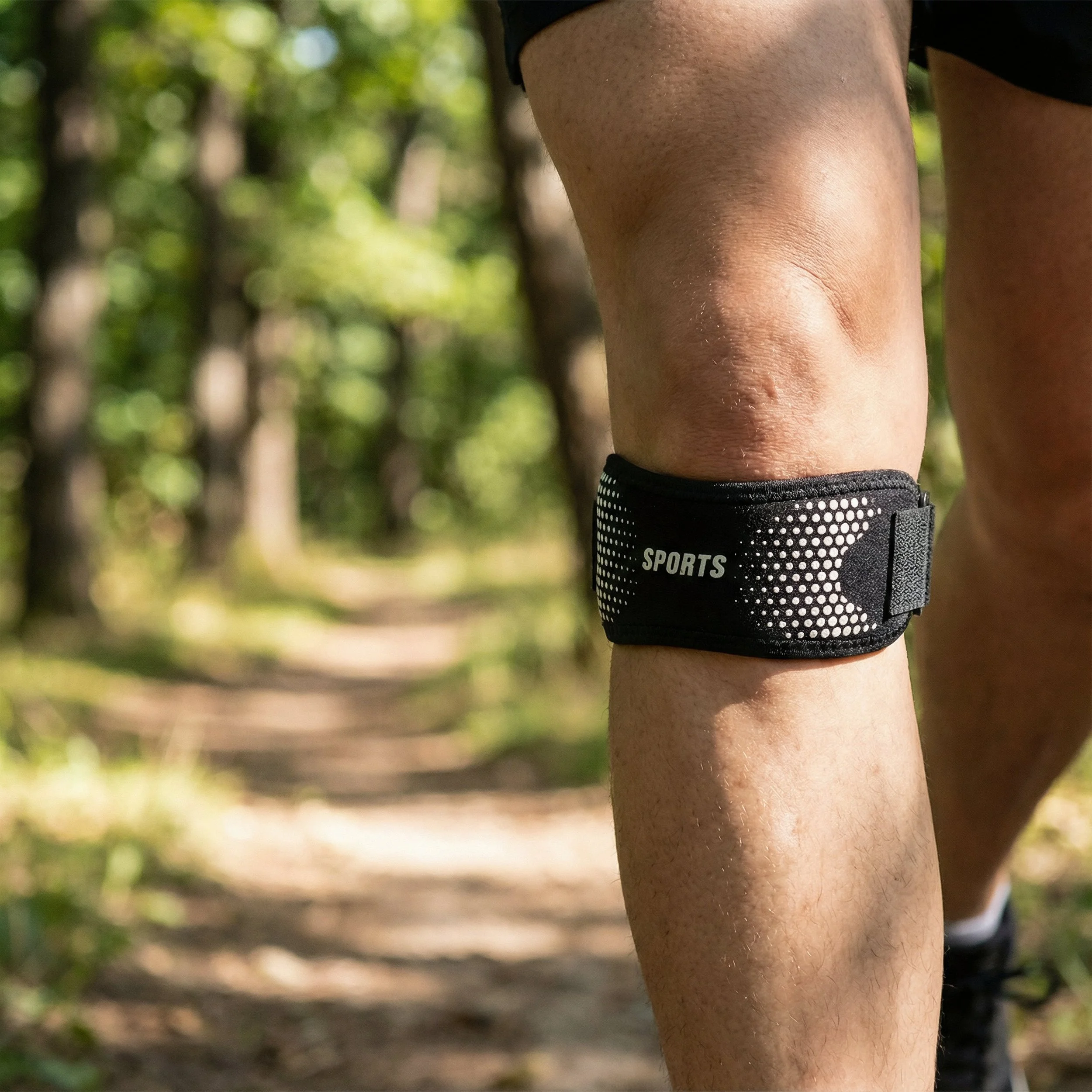
How to Find a Post-Production Agency for AI-Generated Imagery
Late last year, researchers found that 61% of consumers say they trust a brand less once they learn an ad used AI-generated imagery. Only 7% said it made them trust the brand more. That single number should reframe how you hire for this work: the question isn't just who can make the prettiest AI image. It's who can make one that doesn't cost you the trust you spent years building.
This matters more than it did even twelve months ago. AI image tools are no longer a novelty; most agencies claim some AI capability now. What separates a genuinely useful partner from a risky one has less to do with which model they use and more to do with what happens after the image comes out of the generator: who checks it, who fixes it, and who takes responsibility if it goes wrong.
Here's what we'd actually look for.
What 1,273 Freelance Designers Just Confirmed About Pricing Confidence
Fast Company and AIGA just published a survey of 1,273 freelance designers and 153 hiring managers, run between February and April this year, and the headline number isn't about money. It's about confidence. Only 12% of the designers surveyed said they feel "very confident" pricing their own work, and nearly half admitted they sometimes feel afraid to ask for a higher rate.
That's the interesting part, because the same report found something else: there isn't actually a major gap between what designers say they charge and what companies say they pay. The rates broadly line up. What's missing isn't fair pricing. It's a shared, spoken understanding of where any given job sits on the scale.
We see the same pattern in post-production and CGI pricing, just with different line items. It's worth pulling apart, because the fix isn't a better rate card. It's being specific about what tier the work is actually in.
Studio or Freelancer? The Real Answer in 2026 Is Neither
Every few months, someone in a creative Slack group or LinkedIn comment section reopens the same debate: are you a freelancer or a studio, and when exactly does one become the other? Usually the answer offered is headcount. One person, freelancer. Two or more, studio.
That line is tidy, but it doesn't match how work actually gets commissioned or delivered anymore. We've run 35milimetre as a fixed three-person crew for years now, and the honest answer to "what are you" changes depending on the brief in front of us. Some weeks we work like a tight two-hander. Others, we're coordinating four or five specialists across compositing, 3D, and grading on the same delivery.
That's not indecision. It's a structure that a lot of small post-production and design outfits have quietly landed on, and it deserves its own name rather than getting squeezed into "not quite a studio yet."
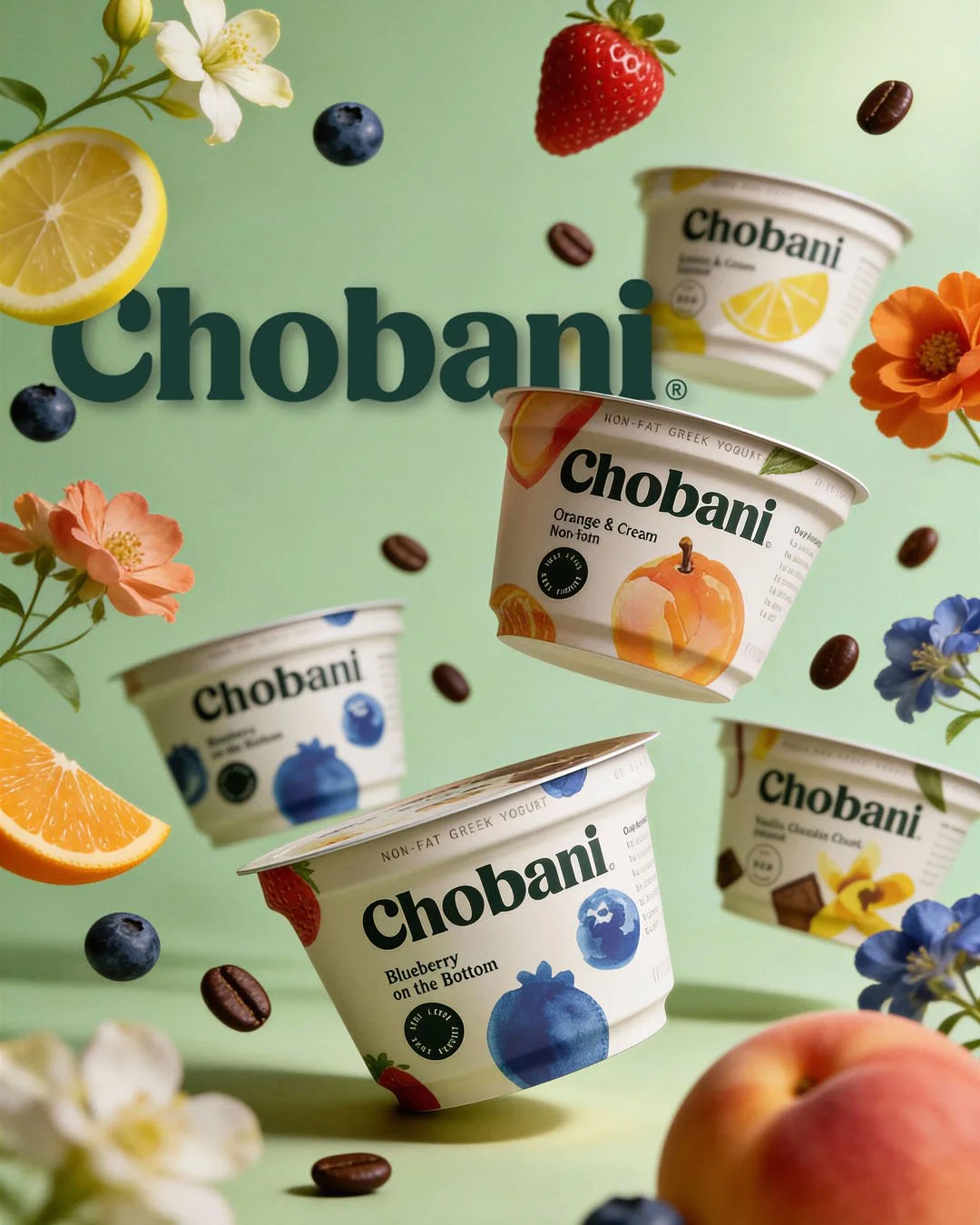
What Chobani's Cup Proves About Packaging Design When You Have No Marketing Budget
In 2007, Hamdi Ulukaya had a factory, a recipe, and about $150,000 left. No ad budget. No agency. One salesman. Audible's Business Wars podcast opens its Chobani series on exactly this problem: he had 18 months of work and zero cups sold, and the only thing standing between him and a national grocery chain was a cup design.
That's the detail worth pulling out of the Chobani story. Not "great branding," which is what most retrospectives call it. The packaging wasn't decoration on top of a marketing plan. It was the marketing plan, because it was the only thing Ulukaya could afford to invest in.
That's a useful case study for any brand or startup weighing packaging against ad spend, and it's exactly the kind of decision we help clients make at 35milimetre.

How AI Changes Image Editing: 2026 Guide
AI image editing is defined as the use of learned computational models to automate, enhance, and generate visual content that previously required manual expert work. 81% of professional photographers now report improved work-life balance directly tied to AI-driven workflow efficiency. That number signals a structural shift, not a minor upgrade. Equally striking: 64% of clients cannot distinguish AI-enhanced imagery from traditional manual retouching. Understanding how AI changes image editing means understanding why these two facts are now the baseline for every serious creative professional.

The Role of AI in Image Editing for Creatives
Artificial intelligence in image editing is defined as the application of machine learning models to automate, enhance, and accelerate visual post-production tasks that once required hours of manual work. The role of AI in image editing has moved well past novelty. 83% of photographers now incorporate AI into their workflows, with 68% of professionals using it at least weekly. That number signals a profession-wide shift, not a trend. For digital artists, graphic designers, and marketers, AI is now the most consequential change to hit post-production since the move from darkrooms to digital. At 35milimetre, we have spent the past year expanding our AI capabilities precisely because the tools have reached a level of maturity that makes them genuinely useful on commercial projects.

How to Prepare Images for Campaigns: 2026 Guide
Preparing images for campaigns means optimizing every visual asset for resolution, aspect ratio, file format, and creative variation before it reaches an ad platform. Done right, this process is the difference between ads that get served and ads that get results. Google Performance Max and Meta each enforce specific technical standards, and missing them costs you delivery, quality, and budget. The good news is that a repeatable workflow, grounded in platform specs and creative strategy, makes compliance and performance achievable at scale.

How to Combine 3D with Photography Like a Pro
Combining 3D with photography is defined as the process of rendering 3D elements and compositing them into real photographs by precisely matching camera perspective, lighting, shadows, and depth of field. The result is a single image where the 3D object appears to exist in the photographed scene. This technique, known in the industry as CGI compositing, is the backbone of commercial advertising, product visualization, and editorial design. Tools like Blender, Adobe Dimension, and fSpy have made this workflow accessible to photographers and graphic designers who already understand composition and light. What separates a convincing composite from an obvious fake is not the quality of the 3D model. It is the accuracy of the match between the virtual and real worlds.
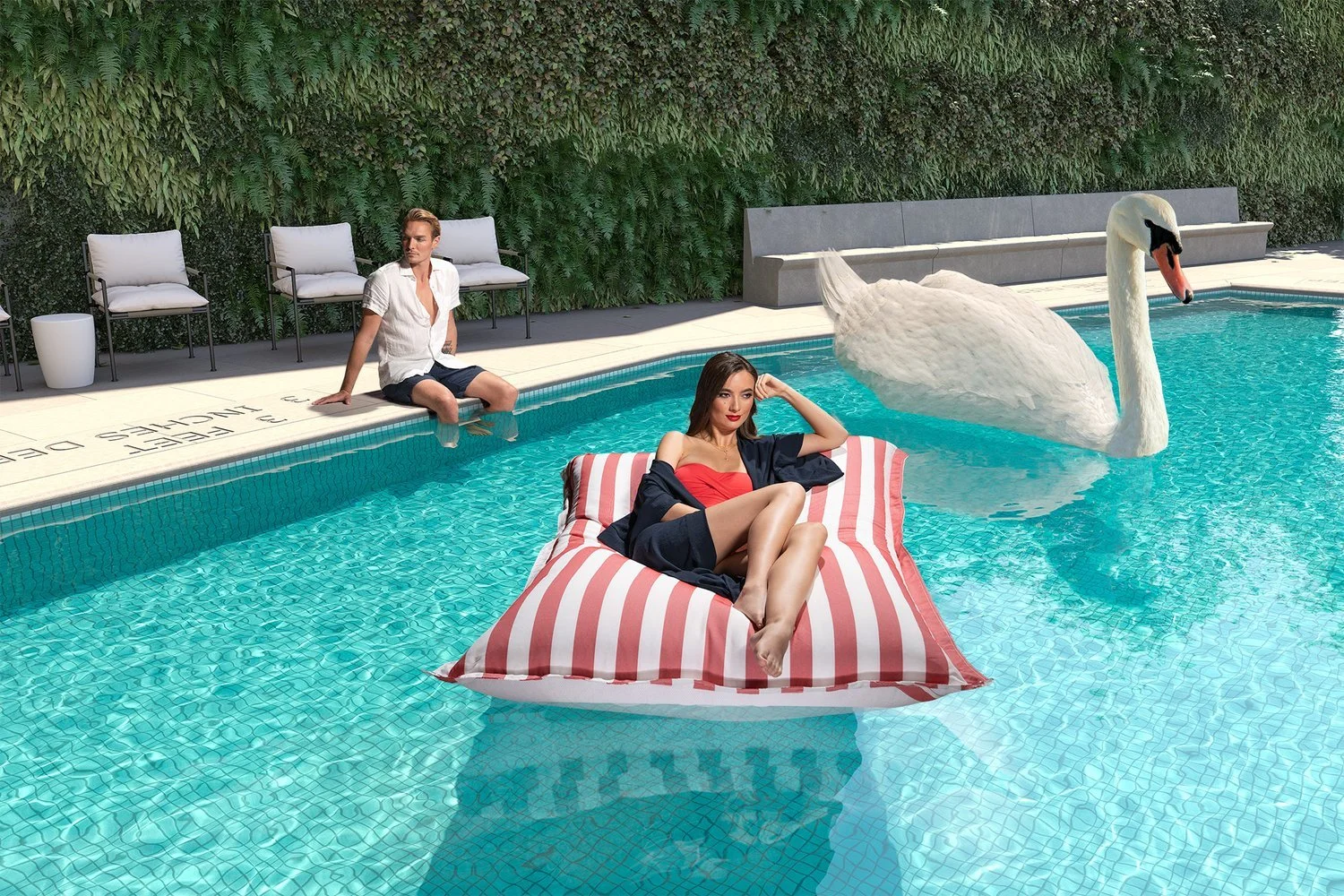
Image Editing Tips for Startups: 2026 Guide
Strong visuals are the difference between a brand that gets scrolled past and one that earns a click. The best image editing tips for startups center on mastering a small set of core adjustments, using AI tools to scale content fast, and keeping every asset consistent with your brand identity. This guide covers the exact techniques, workflows, and pitfalls that matter most when you are building a visual presence from scratch with limited time and budget.
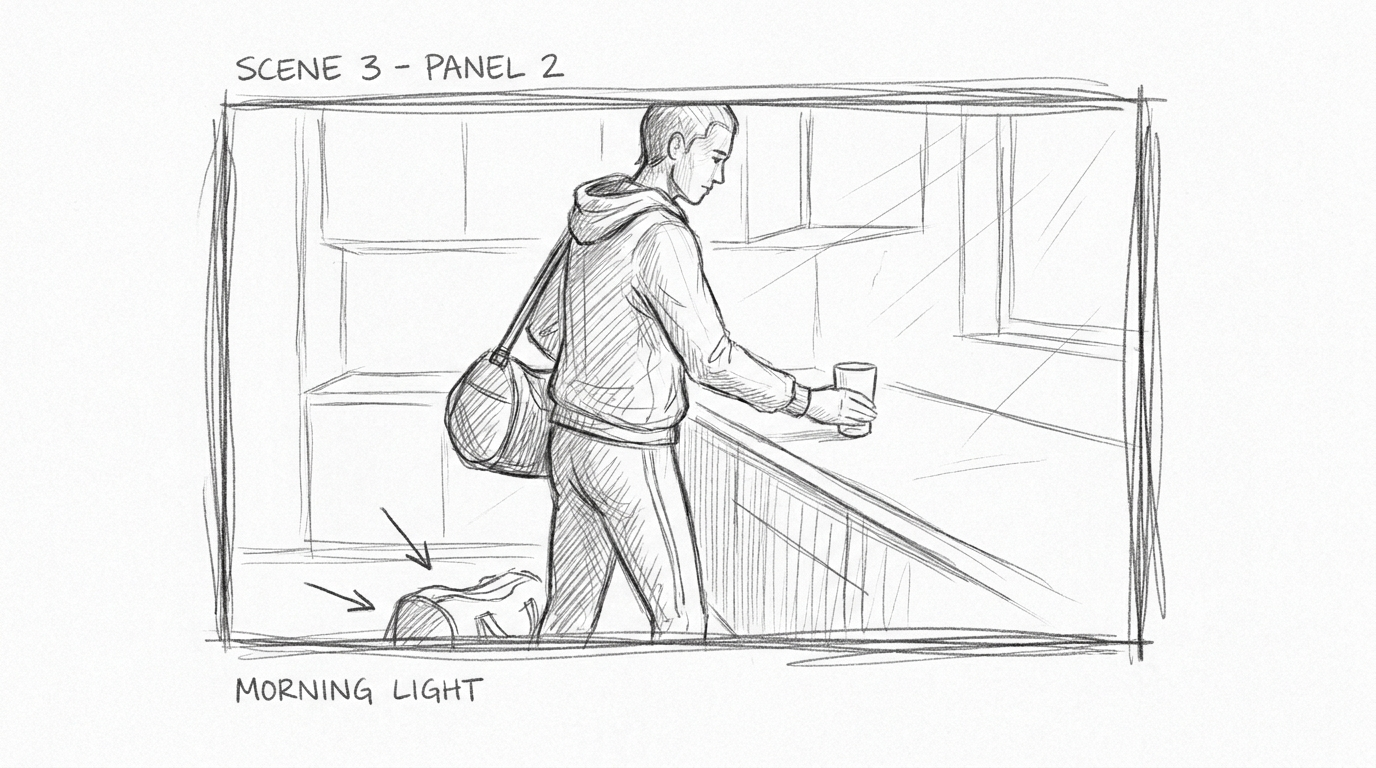
From Pencil to Pixel: Why AI Video Ad Production Still Needs 3D Previz
The AI-generated ad in your feed probably has one problem you can't quite name: the product isn't in the same spot from cut to cut. The counter shifts. The light direction changes for no reason. It's not bad, exactly; it's just slightly untethered. That drift is the actual bottleneck in AI video ad production right now, and it's not a prompting problem. It's a previz problem.
We recently ran a spec campaign for an all-in-one supplement drink through our full pipeline, from pencil storyboard to finished 40-second spot, and it's a good illustration of how the AI part of the process fits into a much older discipline. Here's the breakdown.
Where to Get High-Quality 3D Product Renders for an Online Store
The reason most online store owners cannot get a clear answer about 3D product rendering cost is that "3D render" covers about a tenfold price range. A simple bottle on a white background and a luxury watch in a styled lifestyle scene are both technically 3D renders. They cost wildly different amounts, take wildly different times, and require wildly different studios.
This piece is a practical guide for the brand managers and e-commerce founders trying to commission CGI for the first time, or trying to understand why their last quote was three times the budget they had in mind. It covers the cost ranges actually being charged in 2026, what drives the number up or down, what to send a studio to keep the quote sane, and how to tell a render that will sit cleanly on a product page from one that quietly screams "CGI" the moment a shopper looks at it.

What a Creative Collective Actually Looks Like in 2026 Visual Production
The phrase "creative collective that combines art, technology, and science" used to belong to art school catalogues and gallery wall texts. It described experimental groups doing installation pieces with projectors and motion sensors. In 2026, the same phrase is increasingly being used to describe something far more practical: the small multi-disciplinary studios that brands now hire for serious commercial visual work.
The shift is not a marketing rebrand. It is a real change in how visual briefs come in. A packaging refresh now needs a photographer, a CGI artist, an illustrator, an AI workflow specialist, and a colour discipline that holds across all of them. A landing page hero image needs photo, retouch, type, and often a CGI insert. A brand campaign needs the same hybrid setup repeated across formats. The single-discipline studio cannot cover the brief. The big agency overcharges for the parts you don't need. The space in the middle is where the modern creative collective lives.
This is a working description of what that model actually looks like, why it works for the briefs landing on creative directors' desks right now, and how to recognise one when you find it.