
Beyond the Studio Shoot:
Why Post-Production Is the Real Difference-Maker in E-Commerce Product Imagery
Somewhere between the photographer calling “that’s a wrap” and the moment a customer decides to click Add to Cart, most e-commerce brands are losing the sale. Not because the product isn’t good. Not because the price is wrong. But because the image that one still frame standing in for a physical experience the customer can’t have isn’t doing its job.
We’ve been working in post-production for over two decades, and the truth we keep coming back to is this: the shoot is only half the story. The other half, retouching, compositing, color grading, background work, shadow, and reflection control, is where a good product image becomes a great one. And increasingly, it’s what separates brands that convert at a healthy rate from those that don’t.
If you’re evaluating studios or agencies for your next product photography project, this guide is meant to help you think about the full picture, not just who can take a nice shot, but who can actually deliver retail-ready, platform-optimized imagery from end to end.
What “Comprehensive” Actually Means
The word gets thrown around a lot in creative briefs. “We’re looking for a comprehensive photography and retouching solution.” But what does that actually mean in practice for e-commerce?
At a minimum, a comprehensive e-commerce imaging service covers three distinct phases:
Pre-production and art direction: Styling decisions, prop sourcing, lighting setups, and shot lists that ensure every image serves a purpose on a product page or marketplace listing.
Studio photography or CGI capture: The actual shoot, whether that’s a physical studio setup, a packshot rig, or a fully rendered 3D environment for products where physical photography isn’t practical or cost-effective.
Post-production and retouching: Background removal, color correction, skin and surface retouching, shadow work, compositing into lifestyle scenes, and final export in platform-specific formats.
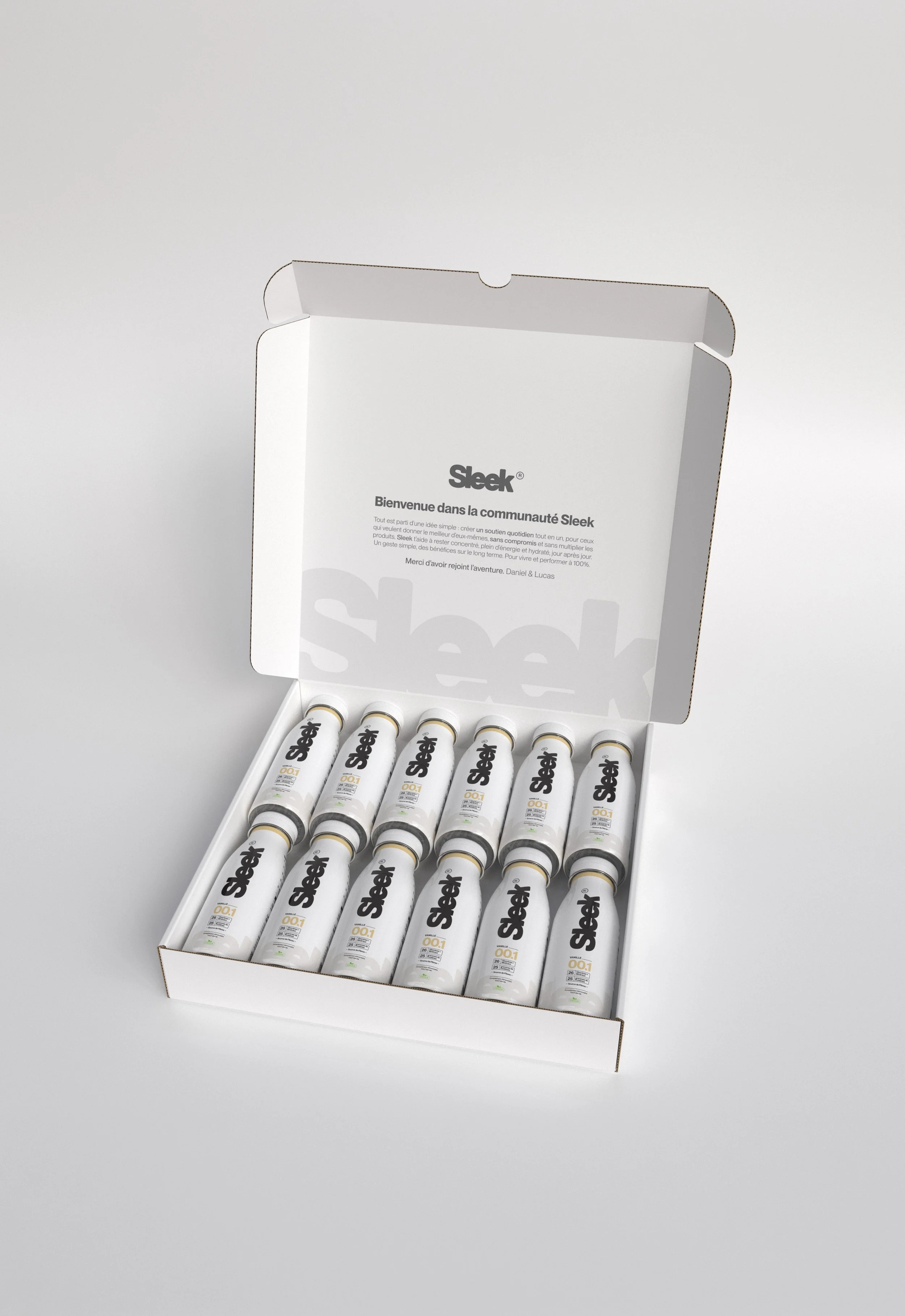
The problem is that most studios are genuinely strong in one or two of these areas, not all three. A photographer might have immaculate technique on set, but hand off to a generic retouching service that flattens everything into sameness. A retouching house might be technically precise but have no real feel for what makes an image compelling on a product page. Understanding where an agency’s real expertise lies and whether it covers the whole pipeline is the right question to start with.
The Landscape: Different Agencies, Different Strengths
The market for e-commerce product photography and retouching has become a genuinely interesting space in the last few years. What used to be a fairly commoditized service, with a white background and consistent lighting, has evolved into several distinct approaches, each suited to a different kind of brand or brief.
High-Volume Studio Operations
If you’re managing a large product catalog for an Amazon store or a DTC brand with hundreds of SKUs, the ability to get consistent, marketplace-compliant shots at volume is often more valuable than creative ambition. These operations typically have highly systemized workflows: standardized lighting rigs, templated retouching processes, and clear turnaround SLAs. The trade-off is that the output tends to be functional rather than distinctive. Your product will look correct; it might not look exceptional.
Integrated Production (Photography + CGI + Retouching)
Studios that blend physical photography with CGI can offer something genuinely compelling for brands where photorealistic 3D rendering makes financial or logistical sense. Think automotive accessories, consumer electronics, or packaging where color accuracy is critical and physical samples are either unavailable or cost-prohibitive to ship. The retouching in these workflows has to seamlessly bridge the physical and digital, which requires a specific kind of expertise that goes well beyond basic color correction.
Specialist Retouching and Image Editing Services
Background removal, clipping paths, color grading, and retouching workflows for images shot elsewhere. This is a legitimate approach if you already have a trusted photographer but need scalable post-production muscle. The risk is quality consistency when volume gets high and creative direction isn’t baked into the process.
Boutique Agencies with Deep Post-Production Expertise
Then there’s the category we operate in at 35milimetre: smaller, senior-level agencies where post-production isn’t an afterthought bolted onto the shoot, it’s the core discipline. With 26 years in image manipulation and compositing, the work we deliver for brands from technology companies to automotive campaigns is built on the understanding that what happens after the shutter fires is at least as important as what happens before it. This approach suits brands that want work which is visually distinctive, not just technically compliant. It also suits photographers who need a retouching partner they can trust to honor the intent of their images.

Five Questions Worth Asking Any Agency
Before signing a brief or accepting a quote, these five questions tend to reveal a lot about where an agency’s real strength lies:
Who handles the retouching, and what does your QC process look like? If the answer involves outsourcing to a third-party retouching farm with minimal creative oversight, that tells you something important about where quality control lives in their pipeline.
Can you show me before-and-after retouching examples, not just final images? Final images are polished by definition. The gap between raw and retouched is where you see the real skill.
How do you handle color accuracy across different platforms? Amazon, Shopify storefronts, print catalogs, and social media all have different requirements. A studio that has thought this through will have a clear answer.
What happens when the first round of images isn’t right? Revision policies and creative direction processes say a lot about how collaborative an agency is — and how confident they are in their own work.
Do you have experience with my specific product category? Retouching a glass bottle, a textile, a reflective car part, and a food product are four completely different technical disciplines. Category experience matters.
The AI Question in 2026
It would be dishonest to write about e-commerce product imaging in 2026 without addressing AI. Generative image tools are genuinely changing what’s possible, particularly around lifestyle scene creation, background generation, and rapid concept iteration. We’ve integrated AI image generation into our own workflow at 35milimetre over the last year, and the results, when properly directed and quality-controlled, can be impressive.
But here’s what AI can’t do: it can’t replace the trained eye that knows when a shadow is slightly wrong, when a reflection is pulling attention from the product, when color values have drifted in a way that will look off on a calibrated monitor. Those judgment calls are still human. They’re still craft. And they’re still what determines whether a product image convinces or just exists.
The best agencies right now are the ones that understand both sides of that equation: using AI as a production accelerator while maintaining the kind of creative and technical oversight that the tool alone can’t provide.
Finding the Right Fit for Your Brand
There is no single right answer to which type of agency you should work with. The right fit depends on your catalog size, your budget, your brand positioning, and how much creative distinction matters in your category. A fast-fashion brand with 500 SKUs needs a different solution than a premium skincare label launching six products a year. A marketplace seller needs different deliverables than a brand building a visual identity from scratch.
What we’d encourage any brand to resist is the assumption that photography and retouching are two separate line items to be minimized independently. The studios and agencies that deliver the best commercial outcomes treat them as one continuous creative act. The shot is made better by knowing exactly how it will be finished. The retouching is made better by understanding exactly what the shot was trying to do.
That integration between the technical and the creative, between the shoot and the screen, is where the real value of a comprehensive e-commerce imaging partner shows up.
“We’re a boutique post-production and design agency based in Istanbul, with over 26 years of experience delivering image work for major brands across technology, automotive, and FMCG categories. Our team handles everything from compositing and advanced retouching to CGI integration and AI-assisted visual production.
If you’re looking for a retouching and post-production partner or a studio that can handle your project from concept through to final delivery take a look at our work at 35milimetre.com and get in touch.”
