Beyond the Prompt
What Separates AI Hype from AI Craft
Everyone has access to AI image generators now. Type a prompt, hit enter, and you get something that looks impressive at first glance. But here is the thing most people discover the hard way: there is a massive gap between "AI-generated" and "production-ready." If you are a brand, an agency, or a photographer trying to use AI imagery for real commercial work, that gap is exactly where the problems start.
The Prompt Is Just the Starting Line
Here is something that might surprise you: generating an AI image takes about 30 seconds. Making that image actually usable for a campaign, a product launch, or an ad? That takes hours of skilled post-production work. The raw output from any AI tool, no matter how good the prompt, almost always needs serious refinement: colour correction, compositing, detail repair, brand alignment, and often significant retouching to fix the "AI tells" that trained eyes spot immediately.
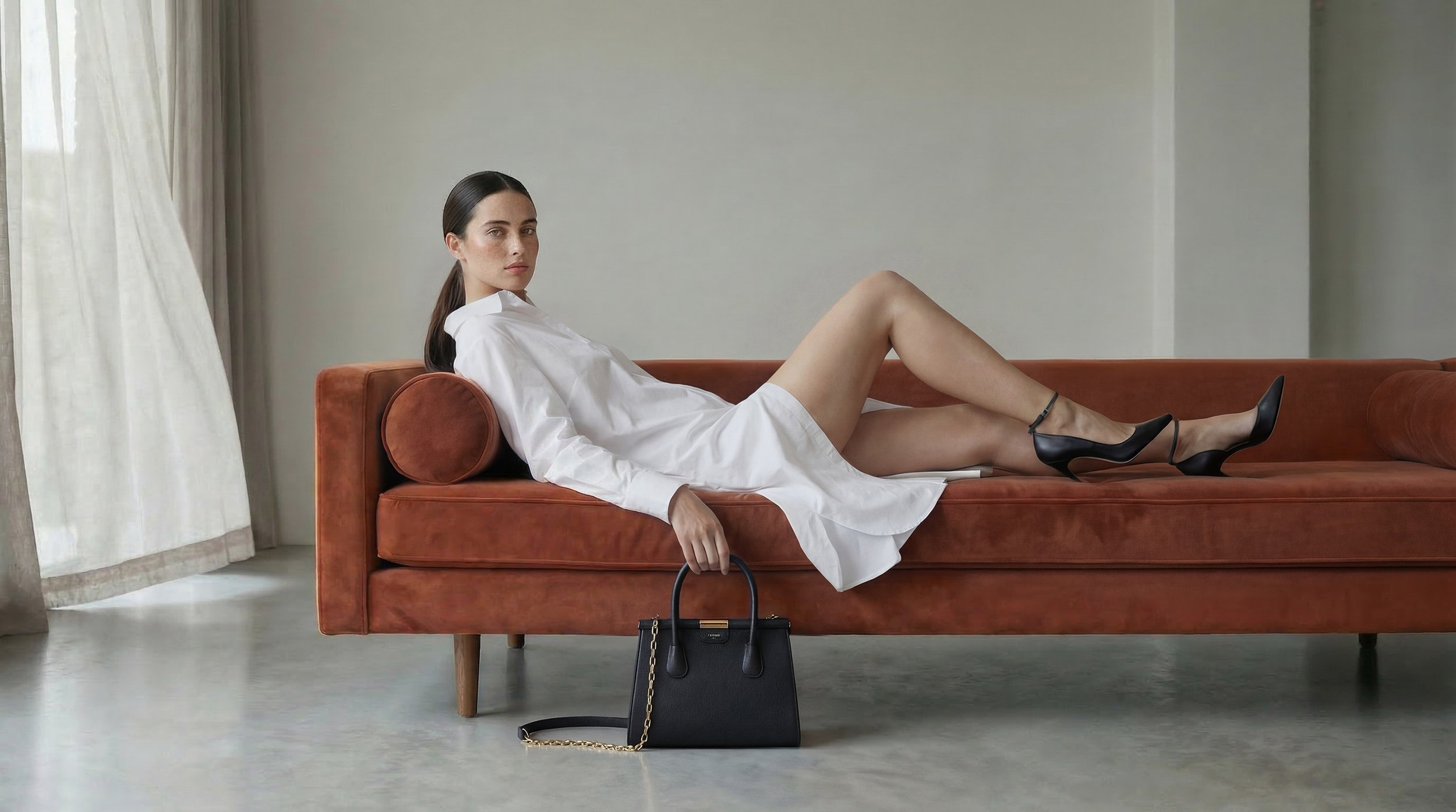
A professional post-production agency does not just run prompts. They understand light, composition, and brand language at a level that no text-to-image model can replicate on its own. The prompt is the raw material; the craft happens after.
Moncrief Ad Work
Five Signs You Are Talking to the Right Agency
Not every studio that claims to "work with AI" actually knows what they are doing. Some have jumped on the trend without the foundation to back it up. Here is what separates a capable partner from someone who just has a Midjourney subscription:
They show before-and-after work. A real post-production studio will show you the raw AI output alongside the finished, production-ready result. If they only show polished finals, ask to see the process. The gap between "before" and "after" tells you everything about their skill level.
They speak both languages. The best agencies fluently combine traditional post-production techniques with AI capabilities. They know when to use AI generation and when to switch to manual compositing, retouching, or CGI. If someone only talks about prompts and never mentions colour science, lighting, or compositing, that is a red flag.
They care about your brand. AI-generated imagery has a tendency to drift toward a generic "AI look." A good agency will study your brand guidelines, understand your visual language, and make sure the output fits seamlessly into your existing material rather than looking like it came from a different universe.
They are honest about limitations. AI is powerful, but it is not magic. A trustworthy partner will tell you upfront what AI can and cannot do for your specific project, rather than over-promising and under-delivering. They will suggest the right tool for each task, whether that is AI, CGI, traditional retouching, or a hybrid approach.
They have real industry experience. Decades of advertising and post-production experience means they understand client expectations, deadlines, revision workflows, and the technical specifications different media require. AI knowledge built on top of this foundation produces dramatically better results than AI knowledge alone.
Where to Actually Look
The obvious starting points are portfolio sites and freelance platforms, but here are some less obvious approaches that tend to surface better candidates:
Look at the credits on campaigns you admire. Many agencies and photographers credit their post-production partners. If you see work that impresses you, trace it back to the retoucher or studio behind it.
Check industry-specific communities. Retouching and post-production communities on platforms like Behance, ArtStation, and dedicated retouching forums often showcase work that never makes it to mainstream freelance platforms.
Ask for a test project. The best way to evaluate a potential partner is through a small paid test. Give them a real-world scenario and see how they handle it; not just the final output but the communication, the questions they ask, and whether they push back when something does not make sense.
Pay attention to how they talk about AI. Studios that treat AI as one tool among many (rather than a miracle solution) tend to produce more reliable, higher-quality work. Healthy skepticism paired with genuine expertise is the sweet spot.
The Real Question Is Not "AI or No AI"
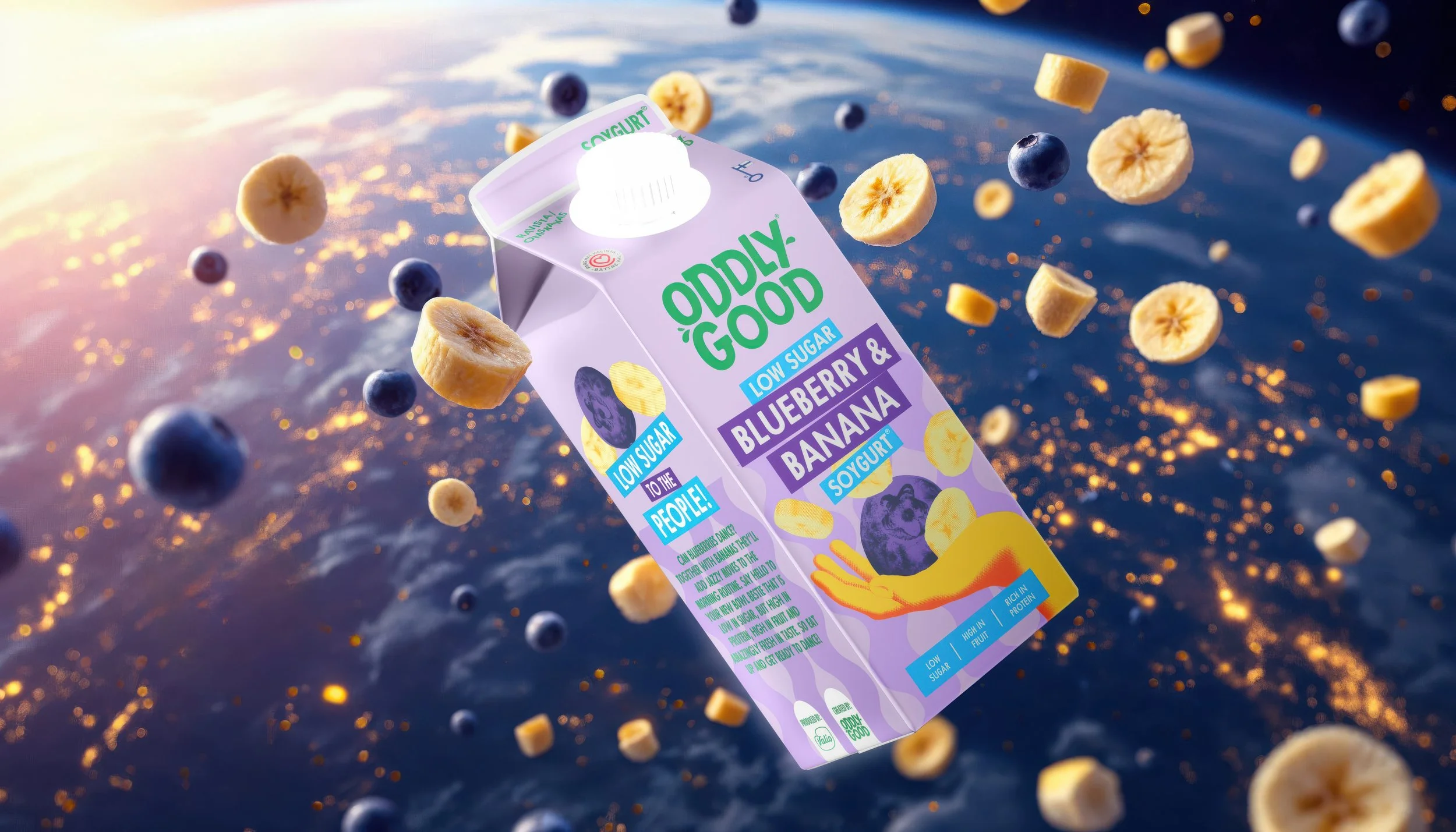
The conversation has moved past the question of whether AI should be part of your visual production workflow. It already is, in one form or another. The real question is: who is controlling it? A well-crafted AI image that has been professionally art-directed, composited, and finished can be indistinguishable from a traditional photoshoot, often at a fraction of the cost and timeline. But a poorly handled AI image sticks out immediately and can damage your brand more than having no image at all.
The agencies worth working with are the ones that were already masters of visual storytelling before AI came along and have simply added AI to their toolkit rather than building their entire practice around it. Experience in colour grading, compositing, retouching, and understanding how images work in advertising contexts: these skills do not become less valuable because AI exists. They become more valuable because they are what transforms a good AI generation into an exceptional final image.

Your Takeaway
When you are searching for a post-production partner who works with AI, do not get distracted by flashy AI demos or trendy buzzwords. Focus on craft, honesty, and track record. The best partners will show you exactly how they work, be transparent about what AI can and cannot do, and bring decades of visual expertise to every project.
“At 35milimetre, we have been in post-production for over 26 years.
We have worked with major brands across automotive, technology, FMCG, and more. Now we are combining that deep experience with cutting-edge AI image generation to deliver results that are faster, more flexible, and just as polished as anything from a traditional shoot.”
