
Articles

What "Comprehensive" Actually Means in E-Commerce Product Photography and Retouching
The word "comprehensive" gets used loosely on agency websites. Most of the time it means "we do retouching and a few other things". When a brand actually needs comprehensive e-commerce product photography and retouching, the gap between that loose definition and the real workflow becomes a problem fast: a beautiful single image lands on a product page, and three weeks later the catalogue grid looks inconsistent because nobody owned the full chain.
The reason this matters is that e-commerce visuals are a system, not a series of one-off shots. A product page that converts is one where every angle matches the next. A marketplace listing that ranks is one where every image passes the platform's automated checks. A returns rate that stays low is one where the photography honestly represents the product. Each of those requires a different stage in the pipeline, and the agencies worth working with are the ones who own all of them.
This piece is a working description of what that pipeline looks like in 2026, and how to ask sharper questions when comparing agencies that all claim to do the whole thing.

What AI Composite Imagery Looks Like in Advertising Right Now
Two AI-driven ads went viral in the last twelve months for very different reasons.
The first was Kalshi's NBA Finals spot, made by filmmaker PJ Accetturo for around $2,000 in under 48 hours, using a stack of generative tools and roughly 300 to 400 prompt iterations to assemble fifteen usable clips. The ad earned twenty million impressions and became a reference point for what a fully AI-generated commercial can look like at speed and scale.

What Is CGI Visualization? A Complete 2026 Guide
CGI visualization is defined as the process of creating digital images, animations, and interactive visuals using computer-generated imagery to represent real or conceptual subjects with photorealistic or stylized accuracy. The term covers everything from a single still architectural rendering to a fully animated product commercial, all produced without a camera. The industry standard term is “CGI visualization,” though professionals also call it 3D visualization or computer-generated imagery rendering depending on the context. At its core, the process replaces physical photography with digital simulation of light, materials, and physics. Architects, marketers, product designers, and filmmakers all rely on it to communicate ideas before anything physical is built or shot.

What Is Art Direction: A Guide for Visual Creatives
Art direction is defined as the strategic visual oversight of a creative project, governing mood, color, typography, and composition before a single asset goes into production. The role spans advertising, publishing, film, and digital media, ensuring every visual touchpoint works together to communicate one unified message. Understanding what is art direction means recognizing it as a leadership function, not just a design task. It sits at the intersection of creative vision and practical execution, and it shapes whether a campaign feels coherent or chaotic. At 35milimetre, we see the effects of strong and weak art direction every day in the projects that land on our retouching table.
Why Professional Image Editing Matters for Your Brand
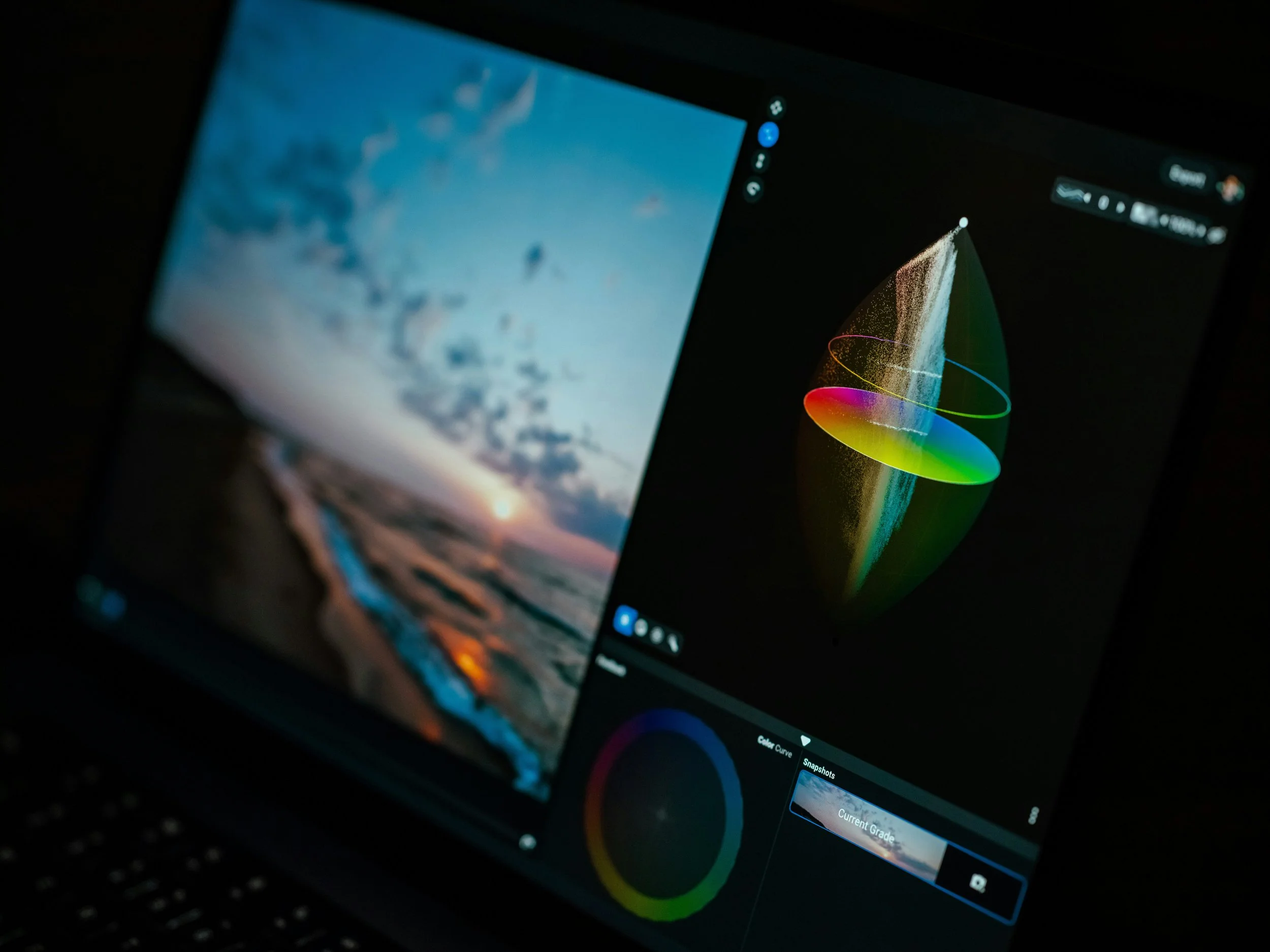
Professional image editing is the process of refining raw visuals to align precisely with brand identity, customer expectations, and conversion goals. For marketers and business owners, the stakes are high. A single product photo is often the only thing standing between a browser and a buyer. Understanding why professional image editing drives results, rather than treating it as an optional polish step, separates brands that build trust quickly from those that quietly lose it.
Why Use Compositing in Visuals: A Creative Pro's Guide
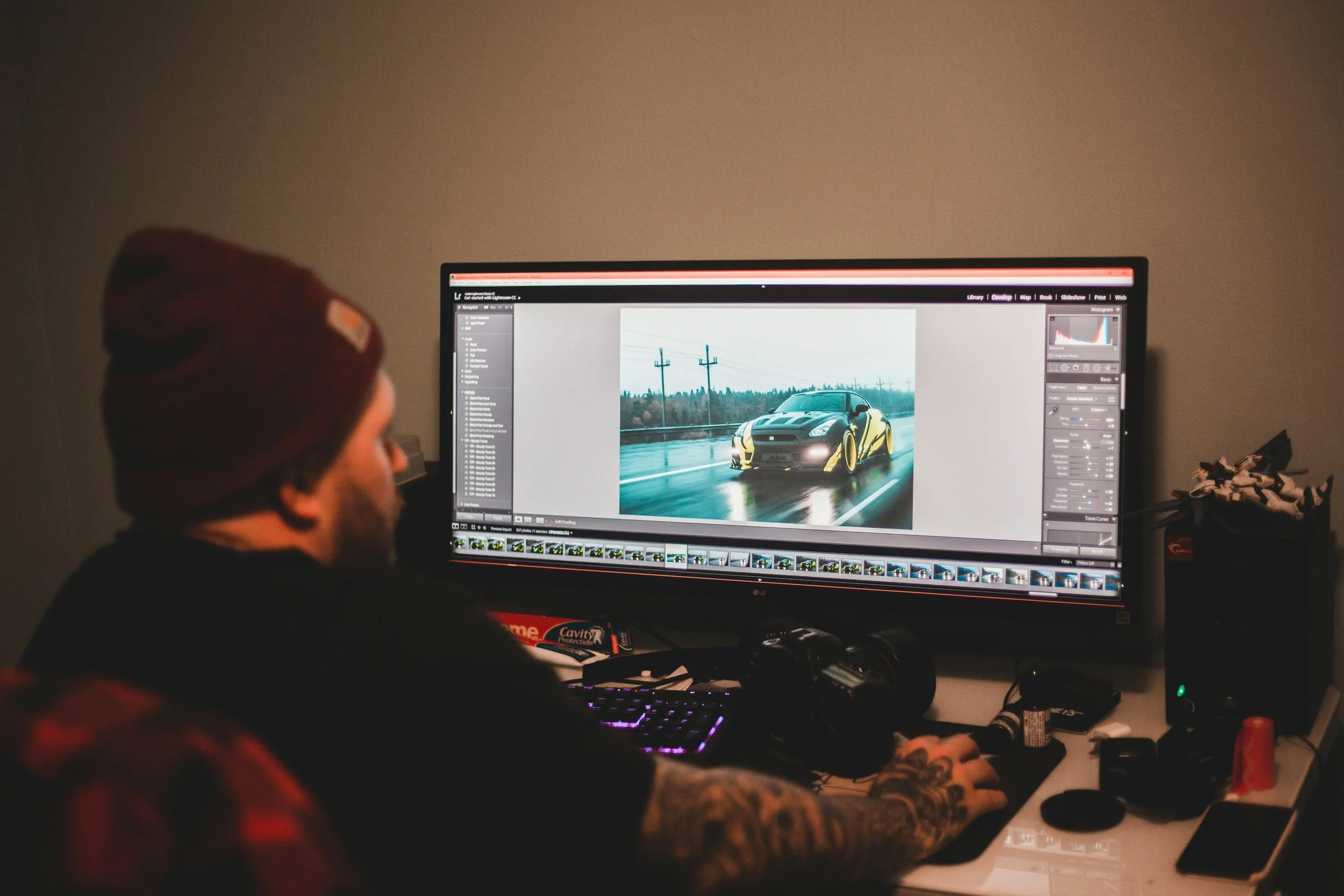
Compositing is defined as the process of combining multiple visual elements from separate sources into a single, unified image. It is the foundational technique behind nearly every compelling visual in film, advertising, and digital art. Whether you are building a product campaign, directing a brand video, or crafting a CGI scene, understanding why use compositing in visuals gives you direct control over what your audience sees and feels. This guide covers the core benefits, key techniques, and practical workflow advantages that make compositing indispensable for creative professionals and marketers.
The Role of Storyboards in Advertising Campaigns
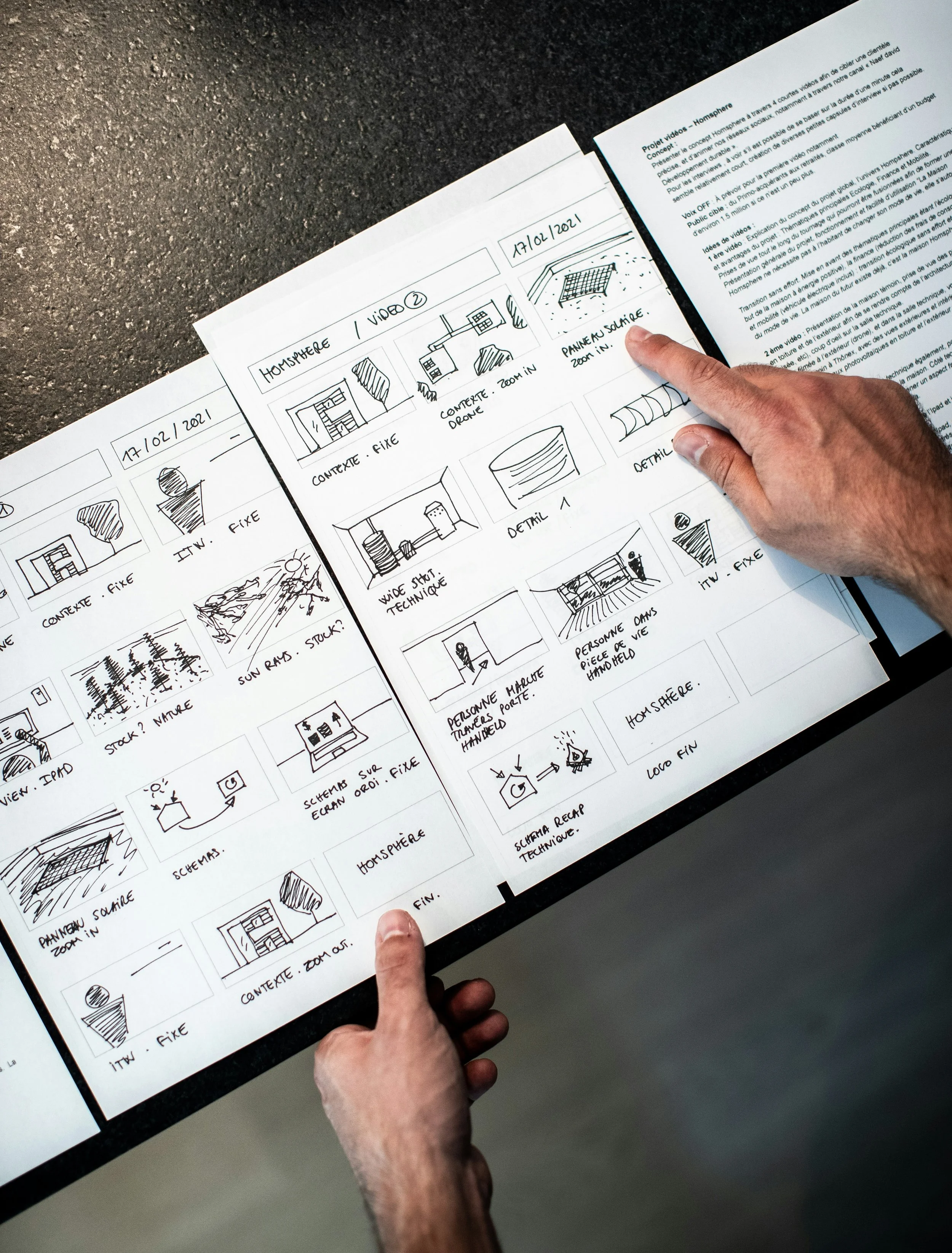
A storyboard is defined as a sequence of drawn or rendered frames that maps out every shot, transition, and timing beat of an ad before a single camera rolls. The role of storyboards in advertising goes far beyond sketching ideas. They function as visual contracts between clients, creative directors, and production teams, locking in shared expectations before any budget is committed to set. When everyone reads the same visual document, the risk of costly miscommunication drops sharply. At 35milimetre, we have seen firsthand how a well-built storyboard separates campaigns that run smoothly from those that spiral into expensive reshoots and last-minute revisions.

3D Visualization Guide for Designers and Artists
3D visualization is the process of creating three-dimensional digital representations of objects, spaces, or concepts to communicate design intent with clarity and impact. It sits above rendering in the production chain: visualization covers the full process, while rendering is the final step that converts 3D scene data into a 2D image or animation by simulating light and camera behavior. For designers and artists, mastering this discipline means the difference between a concept that gets approved and one that gets misread. This 3D visualization guide covers the tools, workflows, rendering choices, and visual techniques that produce professional results across advertising, product design, and digital media.

Why Visual Consistency Is Key to Brand Trust
Visual consistency is defined as the deliberate use of the same colors, typography, imagery style, and layout across every brand touchpoint, from your website to your packaging to your social feed. This is the foundation of brand recognition, and understanding why visual consistency is key separates brands that earn instant trust from those that get scrolled past. Consistent brand presentation can increase total revenue by up to 33% by reducing customer friction and simplifying recognition. That number alone makes visual consistency one of the highest-return disciplines in marketing. The cognitive psychology behind it, specifically concepts like processing fluency and cognitive ease, explains why your audience trusts what feels familiar.

Visual Design Tips for Technology Companies That Work
Visual design in technology companies is the practice of translating invisible, complex products into clear, compelling visual systems that users trust and understand. Most tech teams treat design as a final polish step. The ones that win treat it as infrastructure. Designs following clear structure achieve 40% higher user engagement, and UI improvements can yield 200% conversion increases. That gap is not about aesthetics. It is about whether your design system is built to communicate or built to impress. The visual design tips below address both, covering design tokens, motion, navigation, and the aesthetics that signal engineering credibility.

What Is Automotive Visualization? A 2026 Guide
Automotive visualization is defined as the process of creating digital 3D representations of vehicles to support design, engineering, marketing, and simulation. It covers everything from early concept sketches rendered in real-time engines like Unreal Engine to photorealistic CGI used in global ad campaigns. Brands like Porsche have moved entire consumer-facing workflows onto cloud-based visualization platforms, replacing physical prototypes and traditional photography with interactive 3D content. For automotive professionals and designers, understanding this discipline means understanding how modern vehicles are conceived, communicated, and sold before a single physical unit rolls off the line.

Advantages of 3D Rendering for Design Professionals
3D rendering is defined as the process of generating photorealistic images from three-dimensional models, and its advantages span every phase of a design or marketing project. For architects, product designers, and marketers, the technology compresses timelines, sharpens stakeholder communication, and produces visual assets that traditional photography simply cannot match at the same speed or flexibility. The core benefits of 3D rendering include parallel workflow development, dramatic reductions in physical prototyping costs, and the ability to test lighting, materials, and spatial context before a single physical unit is built. At 35milimetre, we work with these tools daily, and the impact on project outcomes is consistent and measurable.

Top 4 moonshots.agency alternatives 2026
Finding a post-production and design vendor with predictable craft, photography-grade CGI, and transparent pricing is difficult for most agencies and brands. Many studios with premium talent gate price lists behind sales calls or treat layered file delivery as an upcharge. This comparison sets pricing, deliverable options, and workflow fit across four studios so agencies and brands can match services to project scope without vendor friction.

3D Product Rendering Workflow: A 2026 Guide
A 3D product rendering workflow is the structured process of converting digital product models into photorealistic visual assets optimized for marketing and e-commerce. Done well, it replaces costly physical photoshoots with repeatable digital production that scales across entire product catalogs. For designers and marketers, a disciplined workflow is the difference between a render that looks like a prototype screenshot and one that sells. This guide walks through every stage, from file intake to final delivery, with the tools, techniques, and standards that matter in 2026.

3D Design Best Practices for Creative Professionals
3D design best practices are structured workflows and proven guidelines that reduce modeling errors, speed up production, and ensure your output holds up whether it ends up on screen or comes off a print bed. At 35milimetre, we’ve spent over two decades refining visual production pipelines for automotive and tech brands, and the difference between a chaotic project and a clean delivery almost always comes down to discipline at the process level. Mastering tools like PrusaSlicer, building parametric CAD habits, and using PDM systems for version control are not optional extras. They are the foundation of professional-grade 3D work.

How to Enhance Images with AI: 2026 Techniques
AI image enhancement is the process of improving photo quality using artificial intelligence models that upscale resolution, reduce noise, correct color, and restore detail while preserving natural appearance. For digital marketers, graphic designers, and content creators, knowing how to enhance images with AI separates polished, brand-ready visuals from assets that quietly undermine credibility. Tools like Adobe Firefly, Topaz Labs, and Magnific have matured significantly in 2026, offering workflows precise enough for commercial production. The difference between a mediocre result and a professional one almost always comes down to preparation, model selection, and how carefully you review the output.

Why Choose 3D Design for Better Visual Results
3D design is defined as the creation of digital models that represent objects, spaces, or concepts with accurate geometry, depth, and spatial relationships. For businesses and individuals who need to communicate complex ideas visually, it is the most precise and flexible tool available. Platforms like SOLIDWORKS and Autodesk have made this capability accessible across industries, from product development to advertising. Understanding why choose 3D design means understanding how it changes the quality of decisions, the speed of approvals, and the clarity of communication at every stage of a project.
The Role of Storytelling in Advertising: 2026 Guide
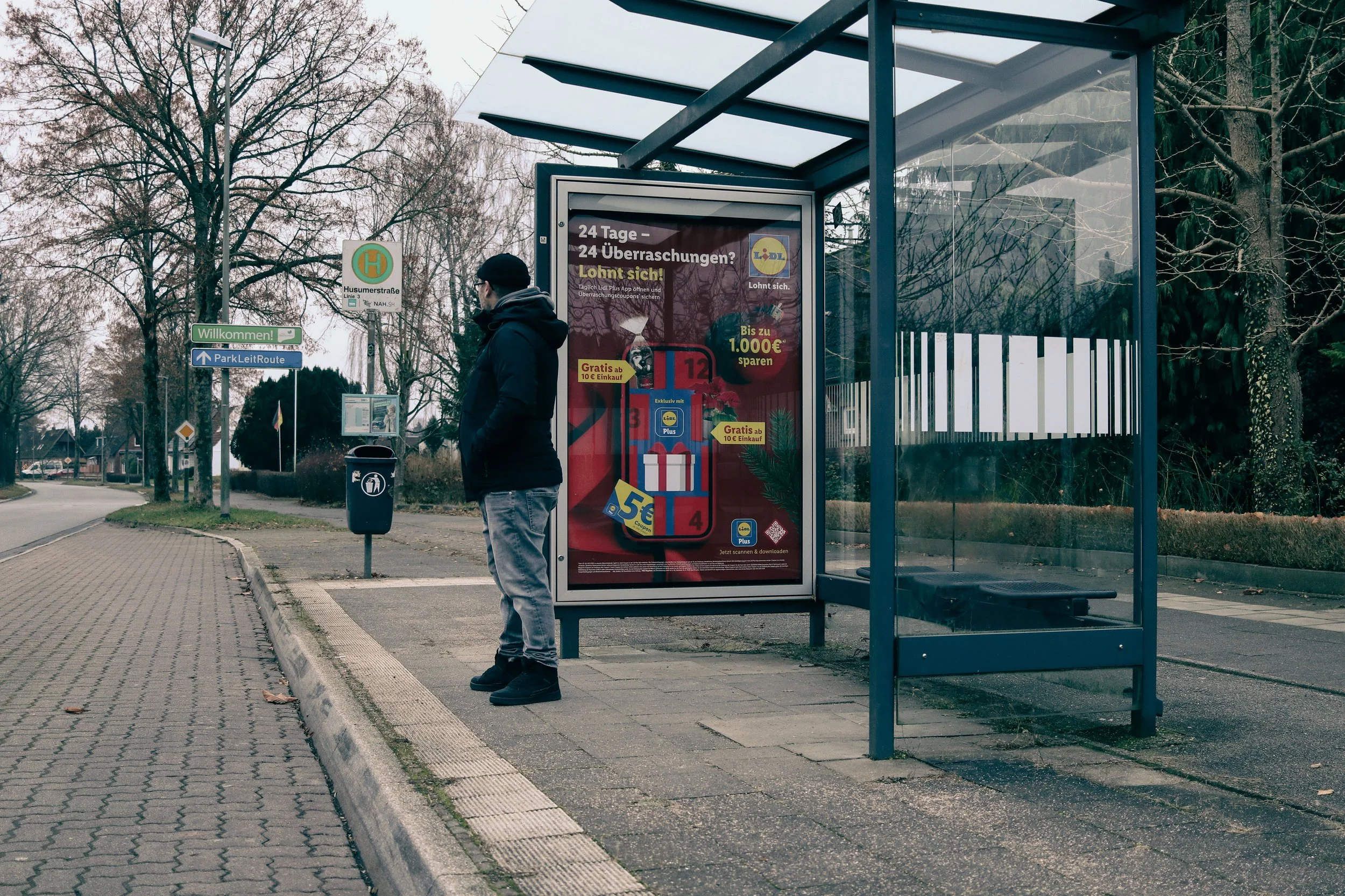
Storytelling in advertising is defined as the practice of embedding brand messages within emotionally resonant narratives that shift consumer perception and drive behavior. The role of storytelling in advertising goes far beyond creative preference. Narrative-driven ads are twice as effective at changing consumer behavior as feature-benefit messaging, according to Ipsos analysis of 15,000 ads. Brands like Nike, Dove, and Patagonia have built category dominance not by listing product specs, but by constructing stories their audiences want to live inside. This guide breaks down why narrative works at a neurological level, which frameworks deliver the greatest impact, and how you can integrate authentic storytelling into your advertising strategy right now.

What Is Creative Image Editing: A Professional Guide
Creative image editing is defined as the artistic process of transforming and enhancing photographs or digital images to craft compelling visual narratives through techniques such as compositing, color grading, masking, and AI-assisted manipulation. It goes well beyond basic corrections like exposure or white balance. Where standard retouching fixes flaws, creative editing builds worlds. Tools like Adobe Photoshop, Google Gemini, and Lightroom sit at the center of this practice, giving artists the means to blend imagination with reality and produce imagery that communicates mood, story, and concept in a single frame. For creative professionals, understanding this discipline is the foundation of every strong visual project.
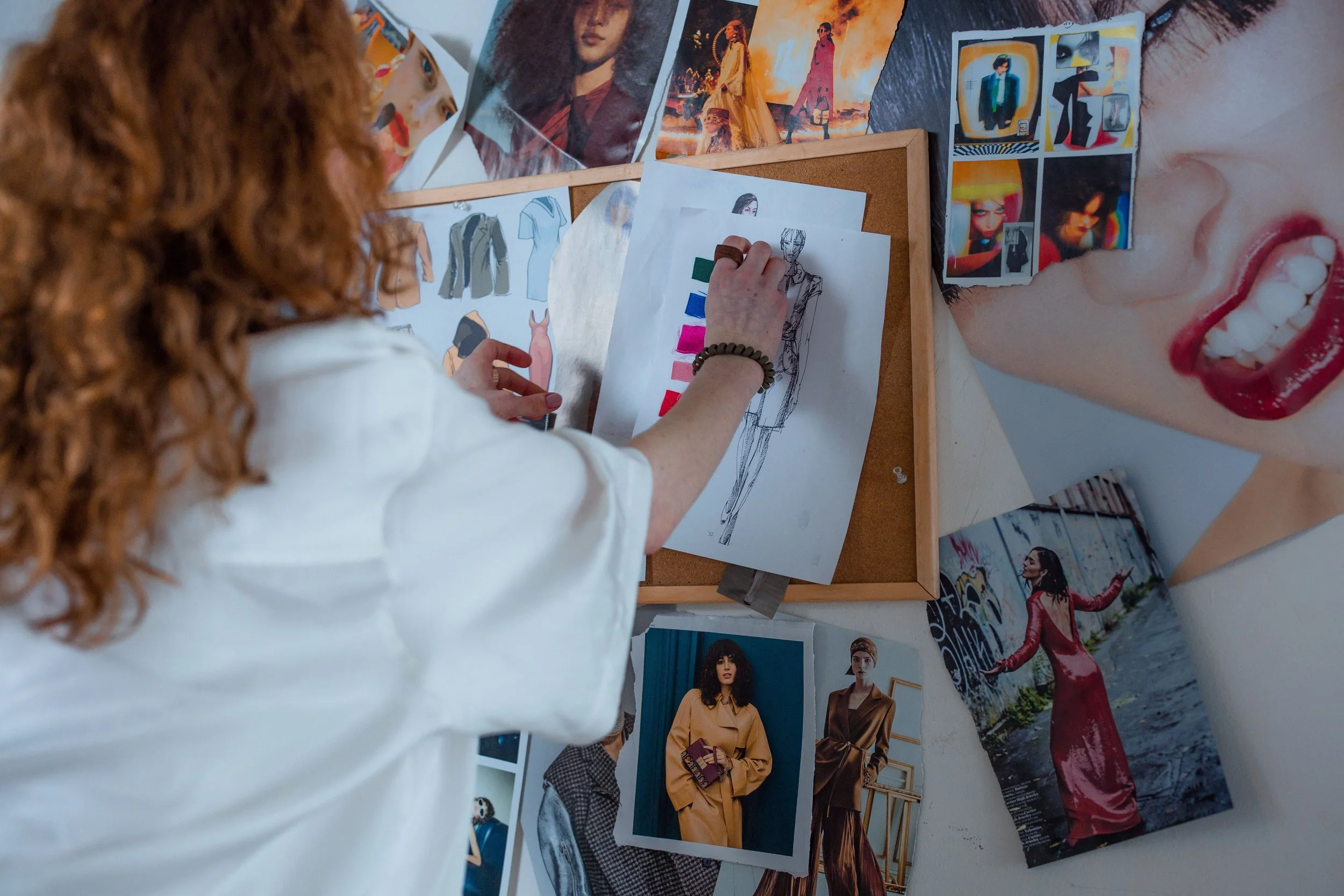
Why Explain Visual Trends: a 2026 Guide for Marketers
Explaining visual trends is the process of interpreting emerging visual styles and phenomena to guide creative and marketing decisions before those styles become mainstream vocabulary. For creative professionals and marketers, this practice is not optional context. It is the mechanism that separates brands reacting to culture from brands shaping it. Visual trends form weeks before language describing them appears, which means text-only monitoring leaves your team perpetually behind the curve. Tools like Pulsar’s visual social listening, frameworks from researchers like Enrico Bertini, and data from Canva’s 2026 State of Visual Communication report all confirm that understanding visual trends at the signal stage produces measurable advantages in campaign timing, brand cohesion, and audience trust.