
Articles

Graphic Design Step by Step: A Beginner's 2026 Guide
Graphic design is a structured skill set that transforms plain information into emotionally resonant visual stories. Learning it graphic design step by step means building a repeatable system, not guessing your way through software menus. Dedicated beginners can reach job-ready status in 6 to 12 months by mastering typography, color theory, layout, and visual hierarchy before touching advanced software features. Tools like Adobe Creative Cloud, Canva, and Figma each serve a different stage of that journey. This guide walks you through every phase, from core fundamentals to portfolio building, so you know exactly what to learn, in what order, and why it matters.

How to Enhance Product Images for E-Commerce Sales
Product image enhancement is the process of correcting and refining raw photos to achieve clear, consistent, marketplace-ready visuals that accurately represent what you sell. On platforms like Amazon and Shopify, where image standards are strict and first impressions are everything, a blurry or poorly lit photo is not just unattractive. It is a direct conversion killer. The good news is that knowing how to enhance product images no longer requires a professional studio budget. With the right capture habits and a structured AI-powered post-processing workflow, even smartphone photos can reach commercial quality. This guide walks you through every stage, from setup to final export.

Graphic Design Best Practices for Stronger Brand Impact
Graphic design best practices are standardized principles that guide the creation of visually compelling, clear, and accessible designs that effectively communicate brand messages. Mastering these principles, from WCAG 2.x contrast standards to modular typography scales and CRAP composition frameworks, separates work that merely looks good from work that actually performs. Whether you manage a design team, brief an agency, or produce visuals yourself, understanding how design principles orchestrate elements rather than simply select them is the difference between visual noise and visual authority.
Automotive Branding Checklist for Marketers in 2026
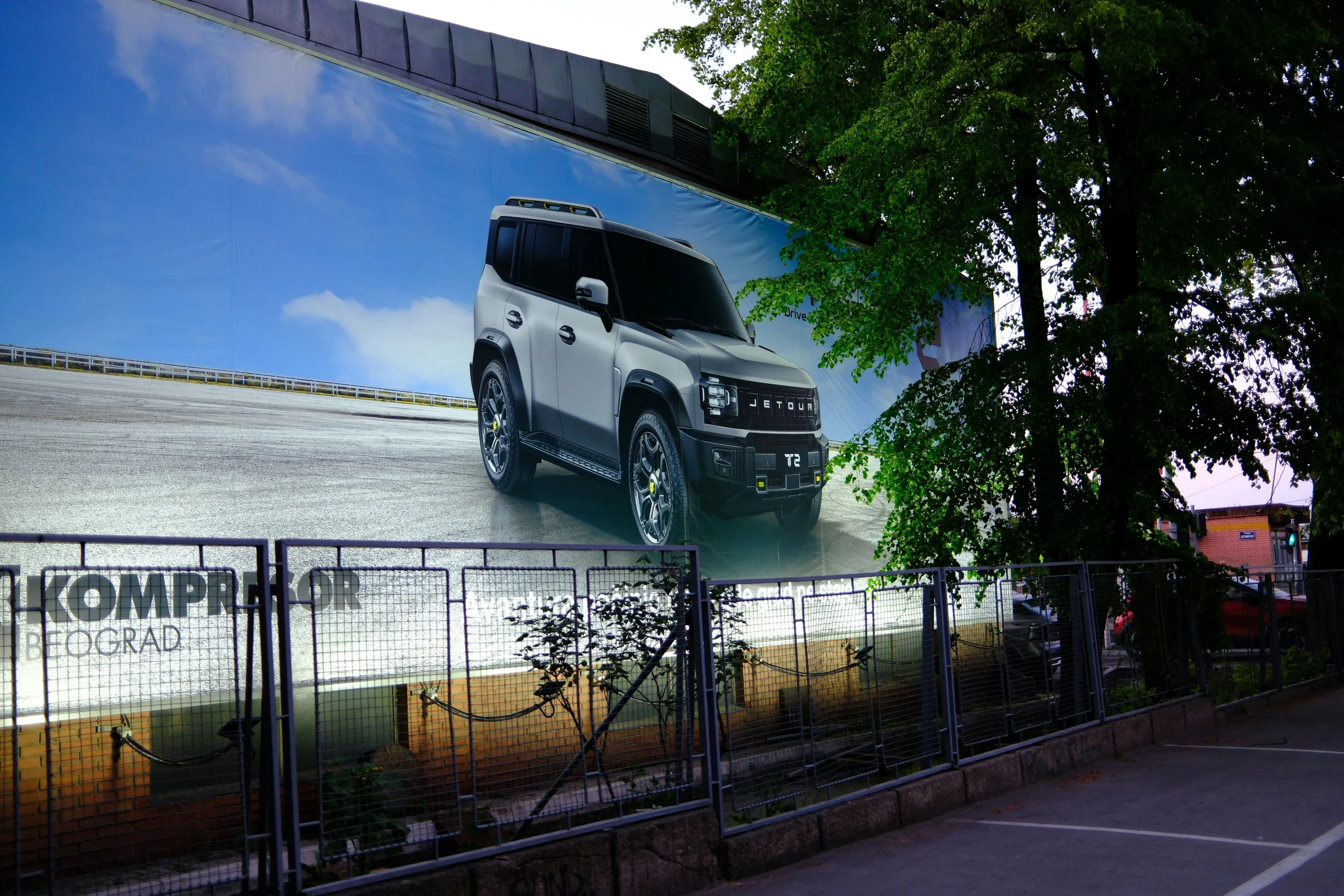
An automotive branding checklist is a strategic system of guidelines and operational enforcement steps that ensures consistent brand visibility across every marketing channel, physical asset, and customer touchpoint. Without one, brand drift sets in quietly. A dealer in one city runs an outdated logo. A fleet vehicle carries a stretched wordmark. A social post uses the wrong typeface. These are not minor aesthetic issues. They erode buyer trust and dilute the equity your brand has spent years building. This article gives you a structured, multi-dimensional checklist covering visual identity, vehicle branding, dealership compliance, and digital presence, built specifically for automotive marketers and brand managers who need more than a style guide.
What Is Commercial Photography: a Business Guide
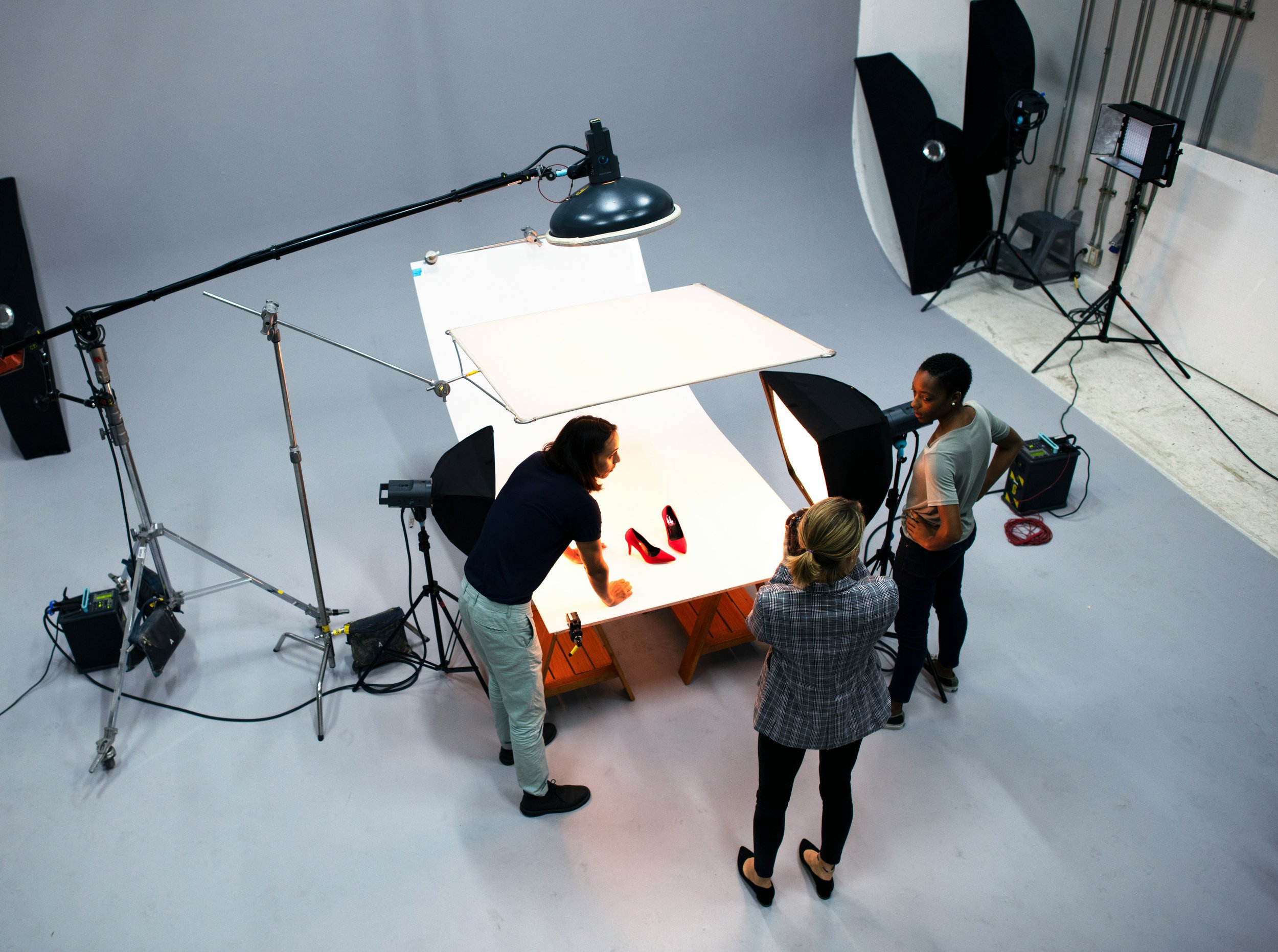
Commercial photography is defined as the practice of producing images created specifically to promote, advertise, or sell a product, service, or brand. Unlike personal or fine art photography, every frame in a commercial shoot has a business objective behind it. Whether you are a startup building your first product catalog or a marketing director commissioning a national ad campaign, understanding how commercial and advertising photography works will directly shape the quality and effectiveness of your visual assets.
Post-Production Styles: Examples for Creative Pros
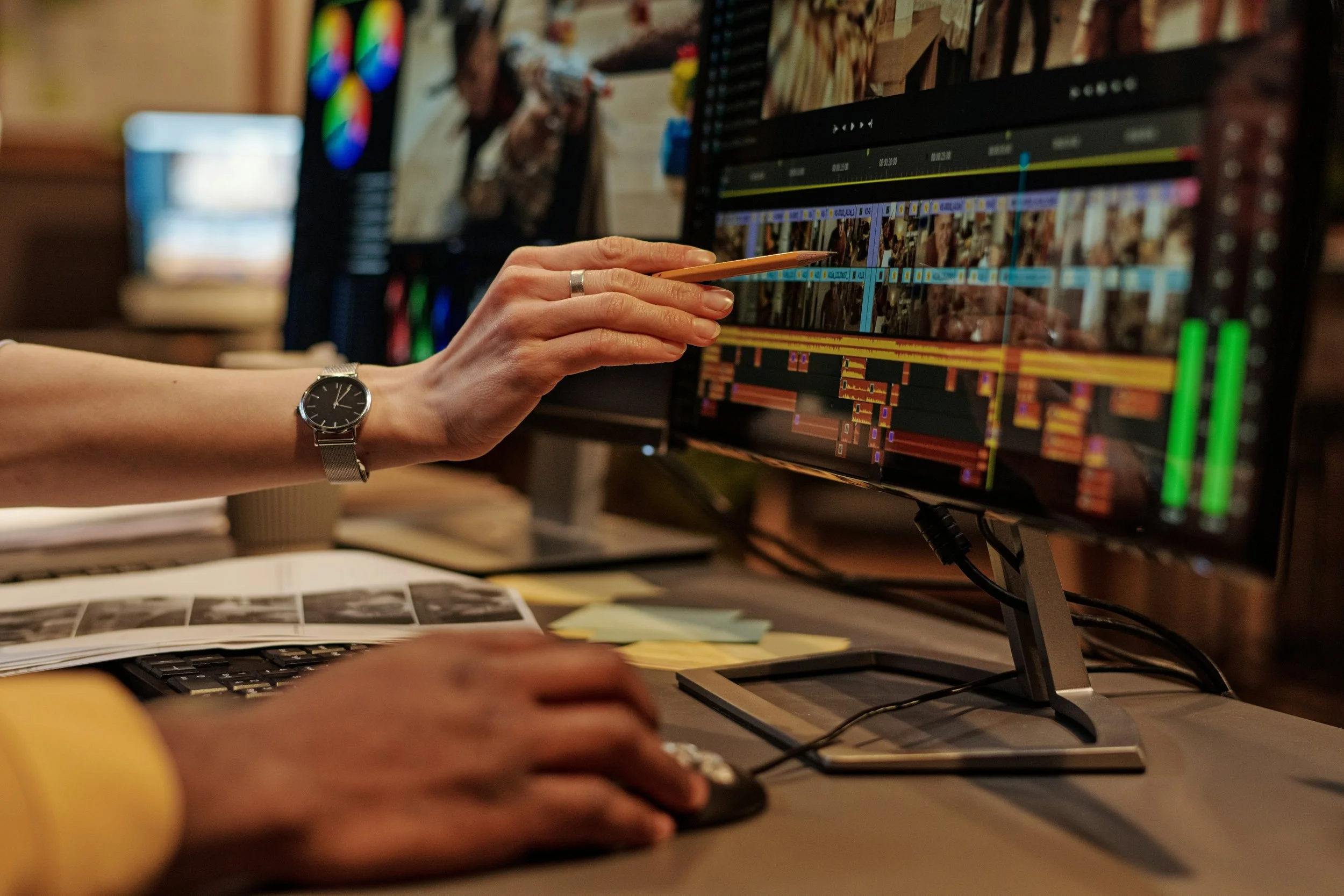
Post-production style is the purposeful combination of color grading, audio design, motion graphics, and visual effects that defines the final look and feel of any visual project. The best examples of post-production styles go far beyond a single filter or preset. They represent a repeatable creative system, one where multiple decisions compound across tone, color, sound, and motion to produce a distinctive result. Tools like DaVinci Resolve, After Effects, Cinema 4D, and Nuke each play a specific role in that system. Understanding these styles gives you the vocabulary and the framework to make deliberate choices rather than reactive ones.

What Is Motion Design? A Guide for Creatives
Motion design is one of the most misunderstood disciplines in the visual arts. Ask ten people what it means and you will get ten different answers, ranging from “animated logos” to “video editing.” The truth is more precise and more interesting. Motion design is a full discipline that sits at the intersection of graphic design, animation, and visual storytelling, requiring both creative vision and technical command. This article breaks down the motion design definition clearly, walks through how it works in practice, and shows why it matters for anyone serious about visual communication.
Ecommerce Packaging Design Guide for Brand Owners
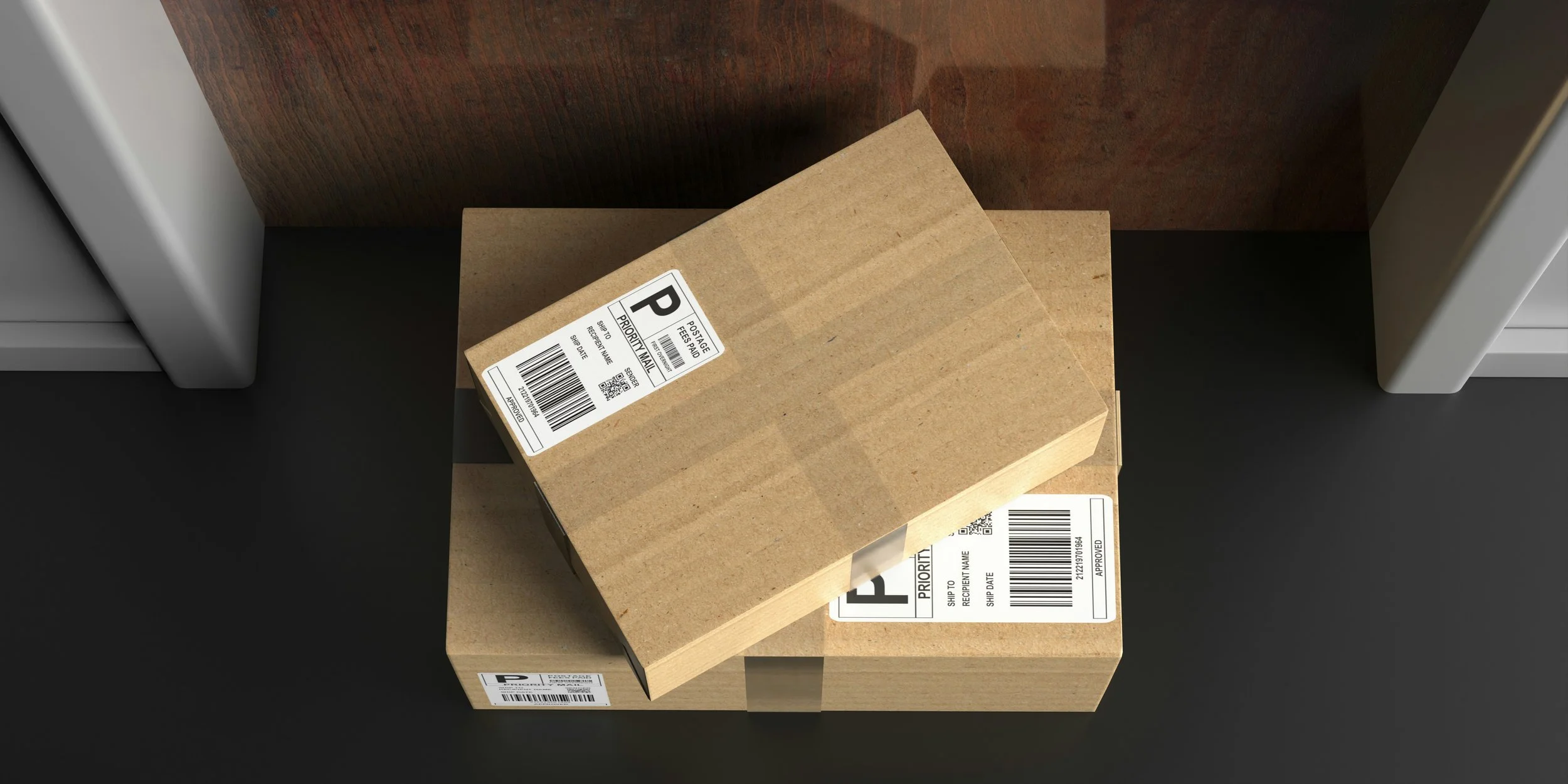
Your packaging arrives damaged, the product shifts around inside, and a frustrated customer posts a photo online before they even see what’s inside. That’s the packaging failure scenario more ecommerce brands live through than they’d care to admit. A solid ecommerce packaging design guide addresses exactly this: how to move from reactive fixes to a deliberate system that protects your product, tells your brand story, and makes customers want to buy again. This guide walks you through every stage, from gathering requirements and choosing materials to testing, sustainability, and the visual presentation that turns a brown box into a brand asset.

What Is 3D Rendering? A Clear Visual Guide
3D rendering is one of those terms that gets thrown around constantly in design, film, advertising, and architecture, yet most people only have a vague sense of what it actually means. At its core, what is 3D rendering? It is the computer process of converting a digital 3D scene into a 2D image or animation viewed from a specific camera position. Not the modeling stage. Not the texturing stage. The final step where math, light simulation, and artistic decisions collapse into a single frame you can actually see on a screen or print.

Why Design Matters for CPG Brands in 2026
Most purchase decisions are made in seconds. 70% of CPG purchase decisions happen at the physical retail shelf, which means your packaging is doing the selling. That fact alone explains why design matters for CPG far beyond making things look attractive. Design is the mechanism through which brands communicate trust, trigger emotion, and earn loyalty before a single word is read. This article breaks down the real role of design across visual identity, structural packaging, sustainability, and marketing integration so you can make decisions that drive results.
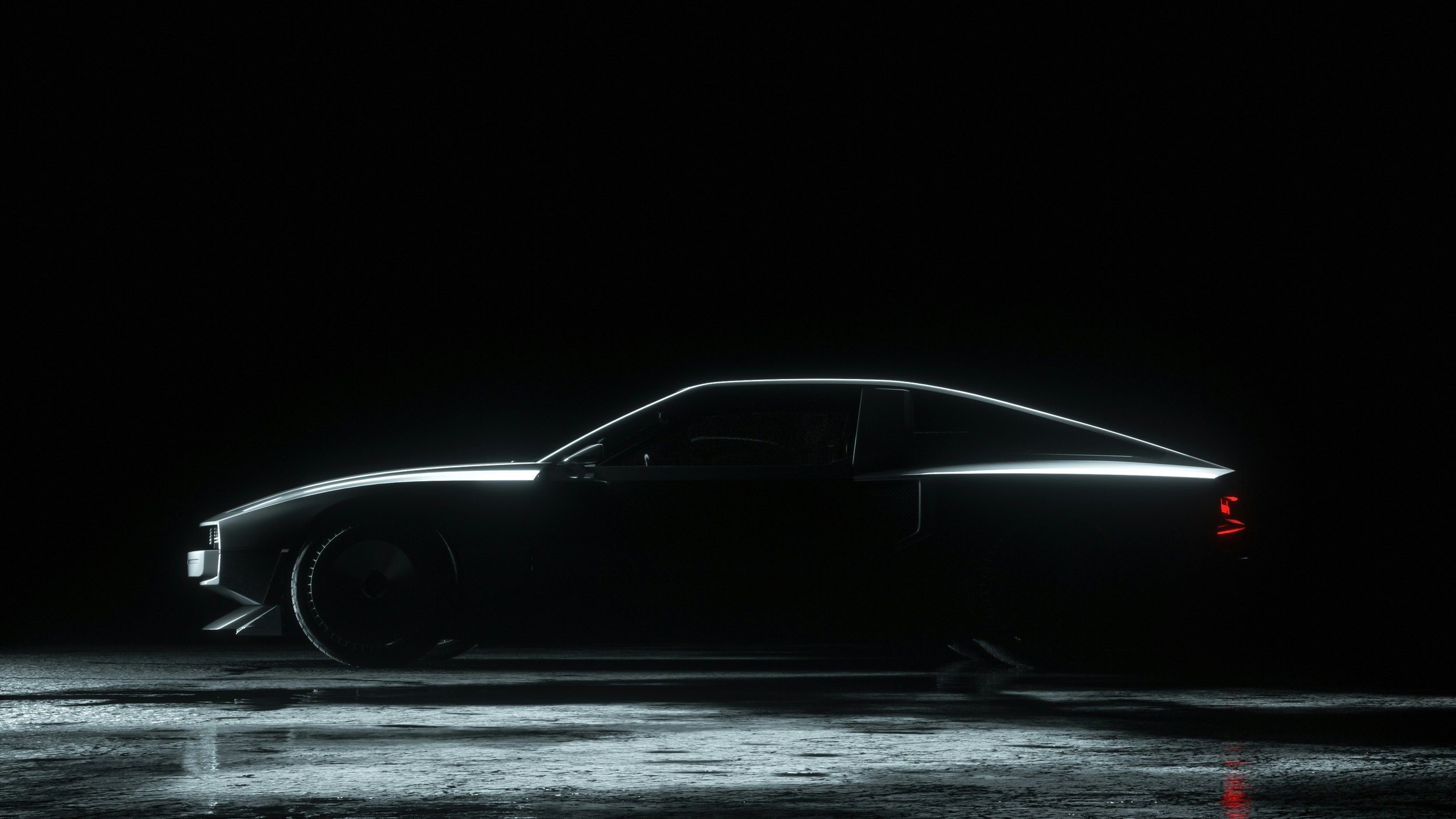
Examples of Automotive Visuals That Drive Real Results
Choosing the right visual approach is one of the most consequential decisions a marketing team makes in automotive advertising. The best examples of automotive visuals do more than show a car. They make you feel the weight of the door, the quality of the leather, the pull of the road. Today’s creative teams work with an expanding toolkit: professional photography, CGI compositing, AI-generated environments, and real-time 3D. Knowing which approach fits which goal, and seeing real-world examples that prove it, is exactly what this guide delivers.

What Is Product Visualization? A Guide for Marketers
Product visualization is defined as the use of digital technology to create photorealistic or interactive representations of products, enabling marketing, design validation, and sales support before a physical item ever exists. Unlike traditional photography, which requires a finished product and a physical set, product visualization) uses 3D modeling, rendering engines, and compositing to produce images and experiences that are often indistinguishable from a real photograph. The technique spans static renders, 360-degree spins, real-time configurators, and augmented reality previews. For marketers, product designers, and business owners, understanding how to visualize products digitally is no longer optional. It is the foundation of competitive product presentation in e-commerce and beyond.
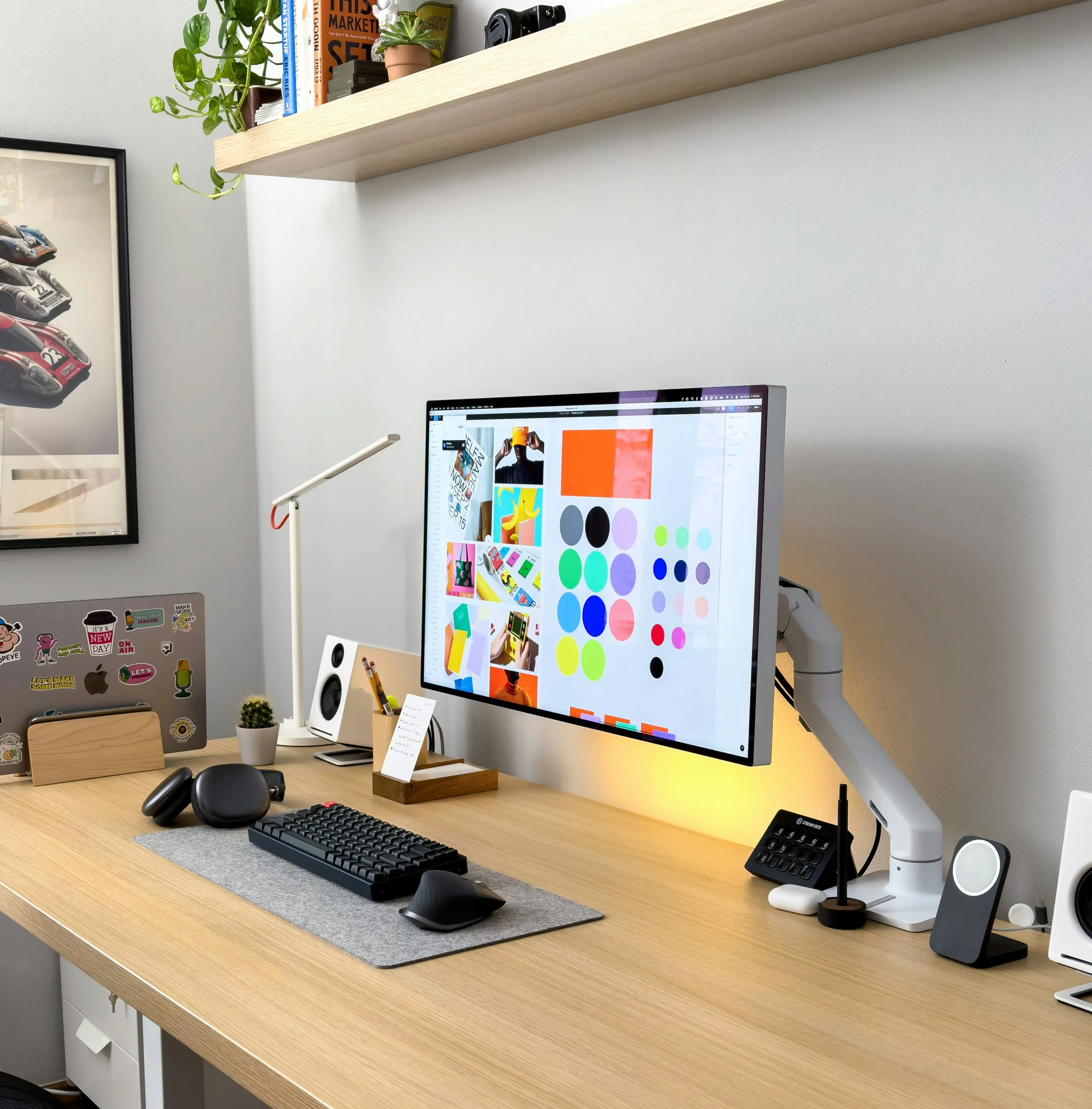
Examples of CGI in Branding That Inspire Marketers
Visual saturation is real. Every brand is competing for the same eyeballs across the same channels, and traditional photography and video production can only take you so far. That is exactly why the best examples of CGI in branding have become benchmarks for marketers who want to create something genuinely unforgettable. CGI enables scenes that are impossible or prohibitively expensive to film in the real world, letting brands think bigger and execute bolder. In this article, we break down standout campaigns, the criteria that make CGI work in branding, and what you can apply to your own visual storytelling strategy.

Examples of CGI in Branding That Inspire Marketers
Visual saturation is real. Every brand is competing for the same eyeballs across the same channels, and traditional photography and video production can only take you so far. That is exactly why the best examples of CGI in branding have become benchmarks for marketers who want to create something genuinely unforgettable. CGI enables scenes that are impossible or prohibitively expensive to film in the real world, letting brands think bigger and execute bolder. In this article, we break down standout campaigns, the criteria that make CGI work in branding, and what you can apply to your own visual storytelling strategy.
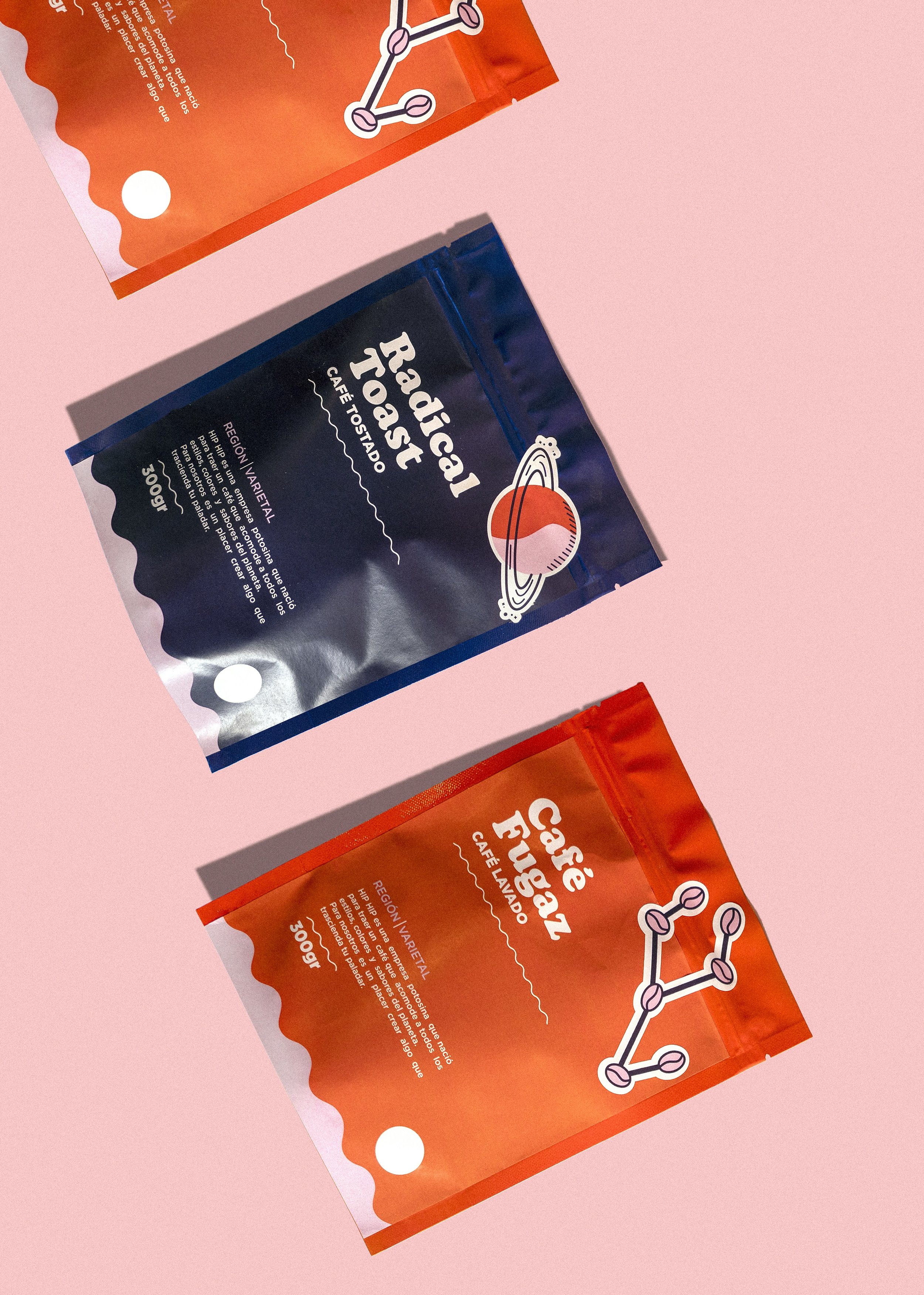
Why Design Matters for CPG Brands in 2026
Most purchase decisions are made in seconds. 70% of CPG purchase decisions happen at the physical retail shelf, which means your packaging is doing the selling. That fact alone explains why design matters for CPG far beyond making things look attractive. Design is the mechanism through which brands communicate trust, trigger emotion, and earn loyalty before a single word is read. This article breaks down the real role of design across visual identity, structural packaging, sustainability, and marketing integration so you can make decisions that drive results.
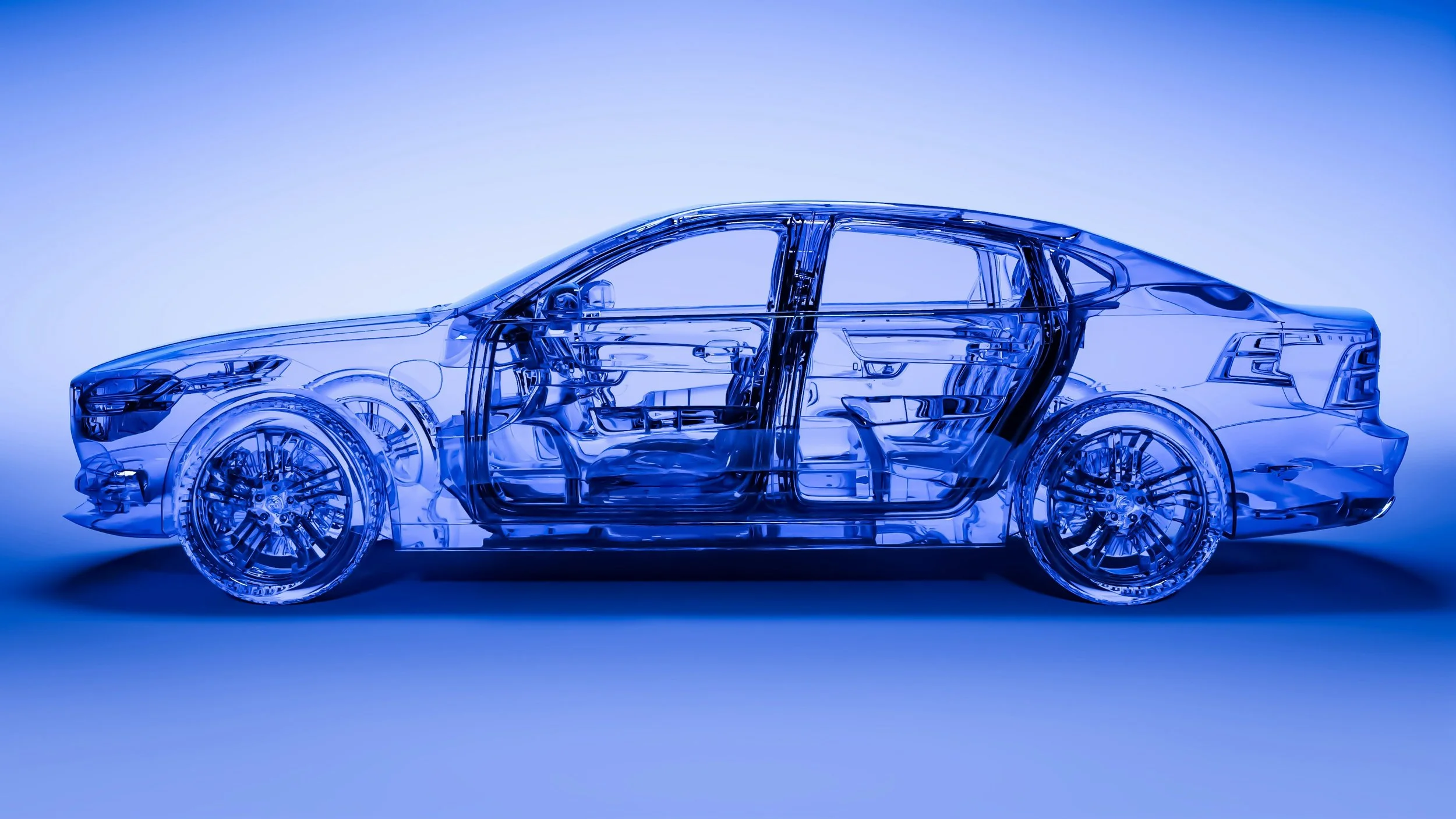
Examples of Automotive Visuals That Drive Real Results
Choosing the right visual approach is one of the most consequential decisions a marketing team makes in automotive advertising. The best examples of automotive visuals do more than show a car. They make you feel the weight of the door, the quality of the leather, the pull of the road. Today’s creative teams work with an expanding toolkit: professional photography, CGI compositing, AI-generated environments, and real-time 3D. Knowing which approach fits which goal, and seeing real-world examples that prove it, is exactly what this guide delivers.

Top 3 cgipics.co.uk Alternatives Agencies 2026
Sourcing post-production and CGI services fit for campaign-ready visuals quickly becomes a headache when studios either hide pricing or demand team-based project structures with no upfront rate transparency. Many providers only offer bespoke quoting after lengthy discovery calls or restrict access to portfolio details and technical workflows unless you commit to full-scale production. This comparison lets you weigh scope flexibility, portfolio breadth, and pricing visibility across leading CGI agencies so you can select a studio that fits your creative requirements and budget without committing before you see their work.

What Is 3D Rendering? A Clear Visual Guide
3D rendering is one of those terms that gets thrown around constantly in design, film, advertising, and architecture, yet most people only have a vague sense of what it actually means. At its core, what is 3D rendering? It is the computer process of converting a digital 3D scene into a 2D image or animation viewed from a specific camera position. Not the modeling stage. Not the texturing stage. The final step where math, light simulation, and artistic decisions collapse into a single frame you can actually see on a screen or print.
Ecommerce Packaging Design Guide for Brand Owners
Your packaging arrives damaged, the product shifts around inside, and a frustrated customer posts a photo online before they even see what’s inside. That’s the packaging failure scenario more ecommerce brands live through than they’d care to admit. A solid ecommerce packaging design guide addresses exactly this: how to move from reactive fixes to a deliberate system that protects your product, tells your brand story, and makes customers want to buy again. This guide walks you through every stage, from gathering requirements and choosing materials to testing, sustainability, and the visual presentation that turns a brown box into a brand asset.

Water Branding Design: How to Sell Invisible Purity
A six-pack of glass-bottled water found its way into Dua Lipa's hands without a single paid influencer post. That is Loonen, one of a new wave of water brands built on a strange promise: not where the water came from, but what isn't in it. No microplastics. No PFAS. The "forever chemicals" you can't see, taste, or smell.
That sentence is the whole marketing problem. You can photograph an Icelandic glacier. You cannot photograph the absence of a nanoplastic. When the benefit is invisible, design has to carry it. This is less a wellness story than a design one, and it is worth unpacking if you sell anything where trust is the real product.