
3D Product Rendering
Photoreal 3D product renders and CGI for beverage, beauty, supplement and food brands in the US, UK and Europe.
We build an accurate 3D model of your pack from CAD, dielines or a sample, then render packshots, lifestyle scenes and animation from it. New flavours, sizes and colourways become a material swap instead of a new shoot, and first results usually arrive within 3 working days for defined tasks.
Updated November 2026 · By Mehmet Turan, founder of 35milimetre · Start a 3D project
What you get
- E-commerce packshots on white or transparent backgrounds, every angle your store and marketplaces need
- Lifestyle and campaign scenes, fully CGI or with the product composited into photography, stock or AI-generated scenes
- Every variant from one approved scene: flavours, sizes and colourways lit and framed identically
- Hard materials done properly: glass, liquids, splashes, condensation, foils, labels and shrink sleeves
- GLB and USDZ files sized for 3D viewers and AR on product pages
- Product animation and turntables from the same model
- Flattened final files (JPEG or TIFF); layered working files by agreement
Who it's for
- Brands launching before the product exists: renders from dielines and drawings while production is still running
- Brands with many SKUs: flavours, sizes and colourways that need to look like one family
- E-commerce and Amazon sellers who need consistent listing images without shipping samples to a studio
- Ad agencies and photographers who need CGI products or elements for a campaign, on a white-label basis
Probably not a fit: engineering CAD work or designing the physical product itself. We model and render what you have designed.
How it works
- Files in. CAD files if you have them, otherwise dielines, label artwork, measurements, photos or a physical sample. For Collamouv we worked from packaging files, fonts and smartphone photos.
- Model and materials. We build the product and apply the label from your print artwork as its own material, with foils, varnish and matte or gloss zones separated.
- One hero render first. Camera, light and background are approved on a single SKU.
- Revisions. Changes go into the master scene, not into individual images.
- Every other SKU. Each variant is a small change to the approved scene, so the whole range matches.
- Post and delivery. Colour is matched to your photography or brand values, then files are exported at the sizes you need.
Typical timing: first results usually within 3 working days for defined tasks. Larger ranges and full scenes are scheduled per brief.
How pricing works
Every project gets a flat fee, agreed after a short call about your products, angles and scenes. No hourly billing.
What shapes the quote: whether CAD files exist or the product has to be modelled from scratch, the number of SKUs and angles, packshot versus full scene, liquids and splashes, resolution, and whether you also need animation or AR files.
We invoice in USD, EUR or GBP. New clients pay 70% upfront and returning clients 50%, with the balance due on delivery of the final files.
Selected 3D work
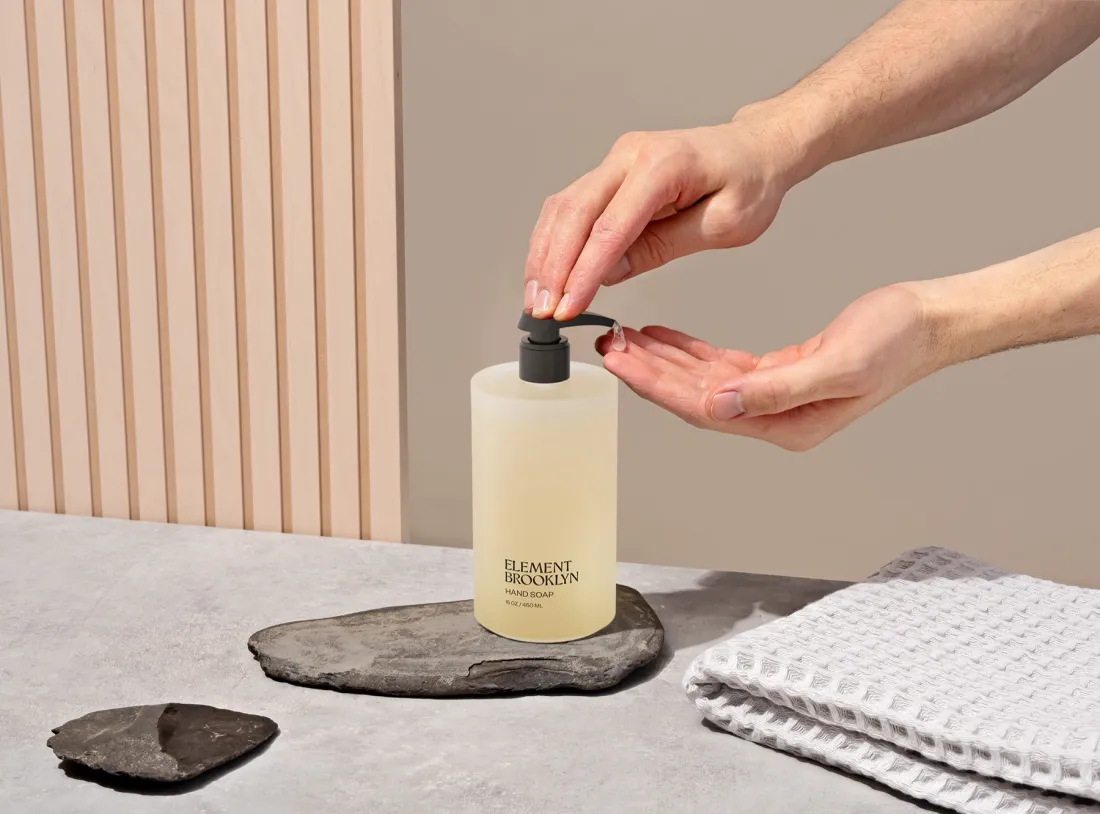
Element Brooklyn: a rebrand shot entirely in 3D. The refill-pouch personal care brand chose 3D renders instead of photography for its new visuals to keep costs manageable. We rendered the products and composited them into existing scenes, and built new scenes from scratch. Read the case study
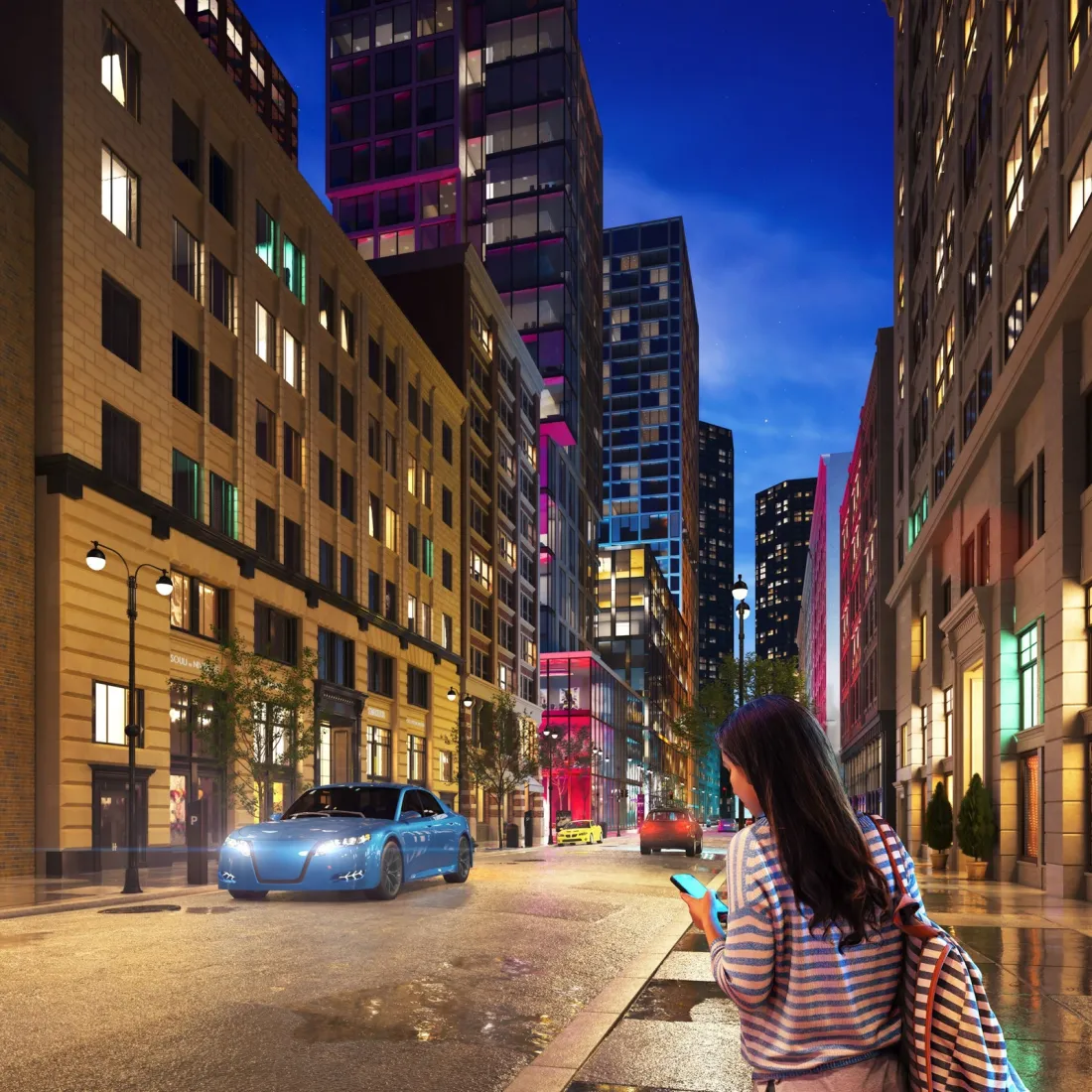
ZF: 3D vehicles for an advertising series. For the automotive technology supplier we built non-branded 3D trucks and an autonomous taxi, then placed them in a fuel station, a Nordic night scene turned from daytime, Mediterranean coast roads and a busy highway. One scene, a woman calling an autonomous taxi, is fully CGI. Read the case study
Sony Europe: Dolby Atmos soundbar campaign. Visuals for Sony Europe's 360 Spatial Sound Mapping soundbars, used across campaign web banners and social media. See the project

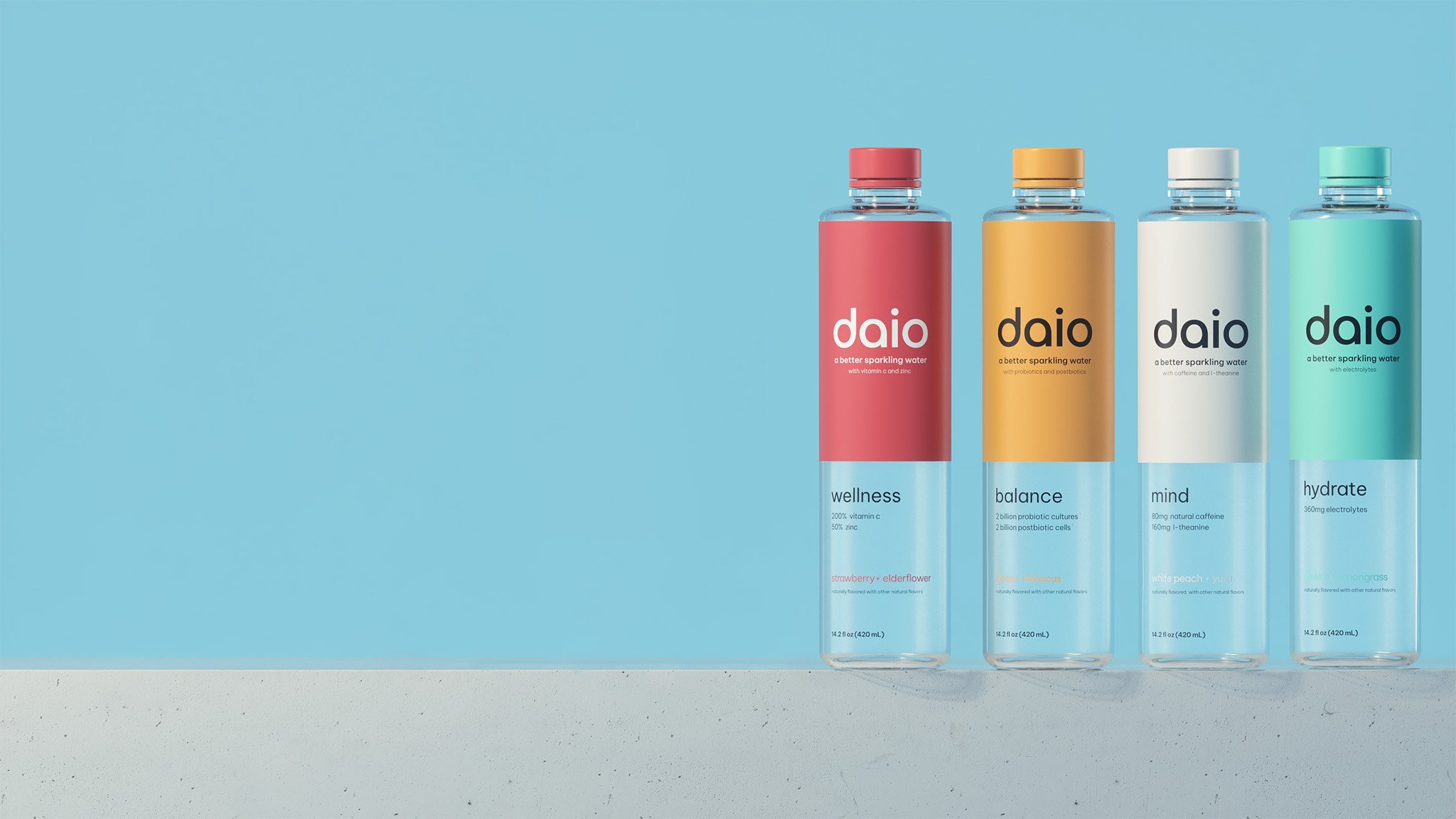
daio: launch visuals before the product existed. The functional sparkling water was still in production when the brand needed its website live. We rendered the bottles in 3D and composited them into realistic stock photography so the launch didn't wait for the first production run. Read the case study
Hanalys: hero visuals without a photo production. The French hair care brand sent product illustrations and exact bottle measurements. We built five packs on a marble surface with dried flowers and palm-tree shadows, with every label clean and readable. Read the case study
Collamouv: six Amazon images for a German supplement producer. Built from packaging files, fonts and smartphone photos, with some images leaving space for infographics. Read the case study
Studio clients also include Unilever (US and UK), L'Oréal and Pepsi.
“I've been working with Mehmet on a regular basis over the past 2 years now. I can highly recommend him to anyone looking for a professional collaboration and premium output. Mehmet is not the typical execution-level freelancer, but goes the extra mile to help brainstorm and find the optimal result. This is someone you can count on.”
Davy E., ZF
Why 3D instead of a photoshoot
Build once, change only what changes. One render is rarely cheaper than one photo. The second, tenth and fortieth variant is where 3D pays off, because each one is a material or artwork swap in an approved scene. How we render many SKUs
Every variant matches. Light, angle and framing stay identical across the range, which is very hard to do with a camera across separate shoots.
No samples needed. The product can still be in production, or sitting in a warehouse on another continent.
When photography is the better choice: real people, food texture and documentary moments. Many of our projects combine both, with 3D products composited into photography.
The details that make CGI believable
Foils, labels and shrink sleeves. A foil is a separate material with its own roughness, direction and texture, not a gold-coloured area of the label. We build it from the foil layer in your artwork, so it only appears where the printer will put it. Foils and labels in beverage CGI
Colour that matches your photography. A render can look wrong next to a photo even when the lighting is right. We set up the colour pipeline so renders sit next to your campaign photography without a blue cast or loud reds. Colour matching CGI to photography
Glass, liquids and condensation, the surfaces that show first whether a drinks render is real.
Web and AR files. A store viewer needs a light GLB or USDZ file, prepared separately from the render model so it loads fast on a phone. What to ask for in GLB and USDZ files
Compared with the alternatives
Product photoshoot. Good for people, food and real locations. Every new flavour or colourway means new samples, a new shoot and new retouching.
AI image tool on its own. Fast for moods and concepts. Labels, shapes and colours drift, so it can't be trusted for the pack itself without a 3D model behind it.
Large CGI studio. Good for big-budget campaigns and film. Often more process than a startup or a single range needs.
Marketplace freelancer. Good for a single packshot on a small budget. Rarely delivers colour-managed ranges, separated label materials or AR files.
35milimetre. A small senior studio that also designs packaging, so the label artwork, the 3D model and the final images come from one team.
What do you need from us to start a 3D render?
CAD files if you have them. If not, dielines or label artwork, measurements, photos from several angles or a physical sample are enough to model the product accurately.
Can you render a product that hasn't been produced yet?
Yes. We work from dielines, drawings and label artwork, so you can launch your website, pitch retailers or run pre-sales before the first production run, as daio did.
How do you keep labels and colours accurate?
The label is applied from your print artwork as its own material, with foils and finishes separated, and colour is managed so renders match your photography and brand values.
Can you render every flavour, size and colour in our range?
Yes. We approve one master scene, then each variant is a material or artwork change inside it, so the whole range is lit and framed the same way.
Do you deliver GLB or USDZ files for Shopify and AR?
Yes. We prepare a lighter, web-ready version of the model, separate from the render scene, so it loads quickly in store viewers and AR on phones.
How long does a 3D project take?
First results usually arrive within 3 working days for defined tasks. Full projects run from 24 hours to several weeks depending on the number of products, scenes and revisions.
How is 3D rendering priced?
We quote a flat fee after a short call. The biggest factor is whether CAD files exist, followed by the number of SKUs and angles and how complex the scene is. We invoice in USD, EUR or GBP.
Can you combine 3D with our photography or AI scenes?
Yes. We often render the product in 3D and composite it into your photography, stock images or AI-generated scenes, which keeps the pack exact while the setting changes.