So You Want an AI Influencer: What Actually Goes Into Making One Work
There's a small, recurring genre of anonymous post online right now: a marketing coordinator or a freelancer describing how they've quietly started producing AI-generated "influencer" photography for small brands on the side. Skincare founders, yoga studios, candle makers, a pet food company that wanted a consistent "pet parent" character holding their bags in different kitchens. Different niches, same brief every time.
What jumps out reading enough of these isn't the novelty. It's the complaint that shows up in nearly all of them: the same face kept drifting between shots. A character would look right on a beach and slightly like a different person in a cafe. That's not a tooling gripe, it's the actual job description. Brands don't want one striking AI photo; they want the same "person" recognisable across thirty scenes over a month, the way a real ambassador would post.
If you're weighing an AI influencer for your own brand, that gap between one good generation and one consistent character is most of the game. Here's what's actually driving brands toward this, where it tends to break, what changed legally in the last year, and how we approach it when a client brings it to us.
Why brands are building these in the first place
This has moved well past novelty accounts. Grand View Research puts the global virtual influencer market in the low double-digit billions as of 2026, with continued double-digit annual growth expected through the decade, concentrated most heavily in beauty, fashion, and FMCG rather than tech or gaming.
The proof isn't just market sizing, it's who's actually using one. Lu do Magalu started as a virtual shopping assistant for the Brazilian retailer Magazine Luiza and grew into one of the most-followed virtual personas anywhere, fronting campaigns alongside Prada, Dior, and Samsung. Aitana López, built by the Barcelona agency The Clueless, became Spain's first fully AI-generated influencer and has kept a running roster of brand partnerships since.
Neither is a stunt account. They're doing the exact job a human ambassador does: a recognisable face, a consistent presence, and a brand association that compounds over time. That's a much harder thing to sustain than a single good image, and it's the part most brands underestimate before they start.
The part that breaks first: holding the same face together
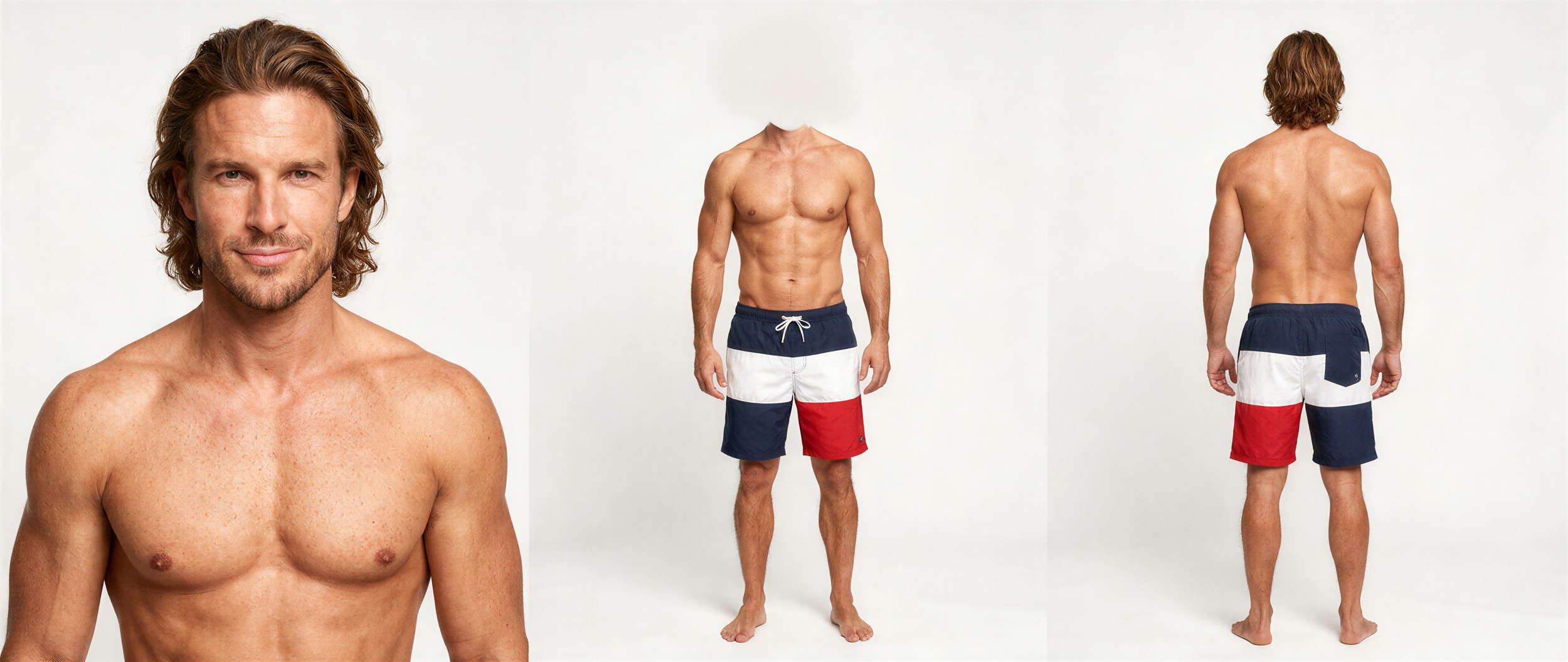
Generating one convincing photo of a person isn't the hard part anymore. Getting that same person back, believably, across the next ten scenes is where most first attempts fall apart: bone structure shifts a little between a straight-on shot and a profile, the same "her" in a gym looks subtly off from the one at brunch, and a batch that felt cohesive at first glance turns into three different people once you line them up side by side.
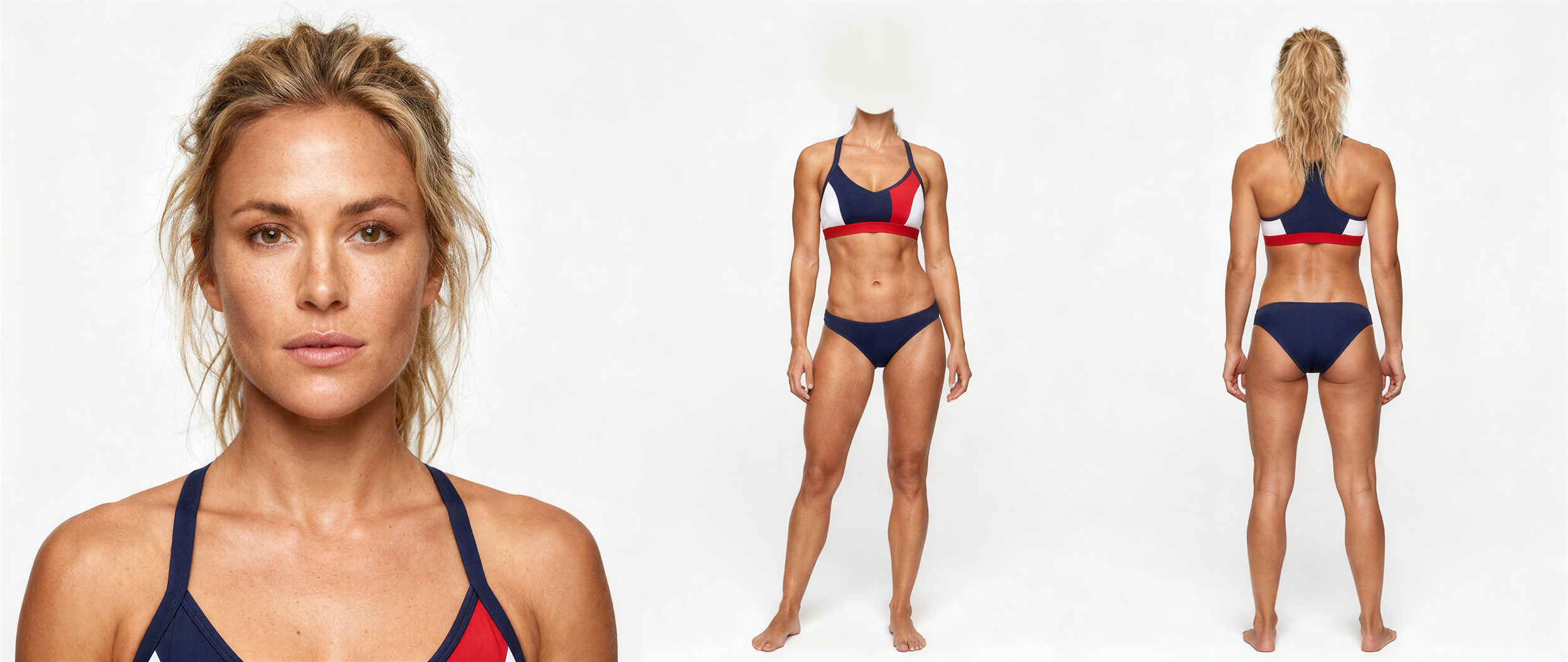
This isn't a knock on any particular tool. It's a workflow discipline problem, and it's solvable the same way any character-driven production problem is solved: lock a reference sheet for the face, proportions, and wardrobe language before anything else happens, test the character across angles and lighting first, and only commit to a full shot list once it holds up under scrutiny. Skipping that step is exactly how a project ends up with a folder of images that almost match.
The rules around this changed in the last year
Anyone building one of these now also has to account for something that used to sit in a grey zone. The FTC's 2025 update to its Endorsement Guides made explicit that audiences must be told, clearly and conspicuously, when the person endorsing a product isn't a real one; a disclosure buried in a bio line or a hashtag doesn't count. New York went further in December 2025, becoming one of the first states with a dedicated law requiring conspicuous disclosure whenever a "synthetic performer" appears in a commercial ad, according to legal trade coverage tracking the rollout.
None of that is a reason to avoid the format. It's a reason to build the disclosure in from day one rather than bolt it on after the fact. The brands doing this well are treating "yes, she's AI, and here's why we built her" as part of the story rather than something to bury in fine print, and increasingly that reads as confidence to an audience rather than a confession.
How we approach it
We treat a brand's AI ambassador the way we'd treat any recurring visual asset we're responsible for, not a one-off generation. That means a locked identity documented once (face, proportions, expressions, wardrobe language), reused deliberately across scenes rather than rebuilt from scratch each time, and a compositing pass so the character sits convincingly next to an actual product shot or packaging rather than looking pasted in. A small test batch always comes before a full shot list goes anywhere near a client, because catching drift on six images beats discovering it after thirty are already delivered.
We went through the same exercise ourselves before offering it as a service. We built our own AI-generated character to represent 35milimetre online, which meant living with the consistency problem firsthand: locking a face, testing it across settings, and working out what it could and couldn't credibly say, before asking any client to trust the process.
The takeaway
An AI influencer isn't a clever prompt, it's a small production pipeline with legal edges attached: a character that has to hold together across dozens of scenes, and now has to say plainly that it isn't a real person. Brands that treat it that way from the start end up with a consistent ambassador. Brands that don't end up with an inconsistent one and a compliance problem on top of it.
If you're weighing one for your brand and want to talk through what it would actually involve, we're happy to walk through it.