How to Find a Post-Production Agency for AI-Generated Imagery
Late last year, researchers found that 61% of consumers say they trust a brand less once they learn an ad used AI-generated imagery. Only 7% said it made them trust the brand more. That single number should reframe how you hire for this work: the question isn't just who can make the prettiest AI image. It's who can make one that doesn't cost you the trust you spent years building.
This matters more than it did even twelve months ago. AI image tools are no longer a novelty; most agencies claim some AI capability now. What separates a genuinely useful partner from a risky one has less to do with which model they use and more to do with what happens after the image comes out of the generator: who checks it, who fixes it, and who takes responsibility if it goes wrong.
Here's what we'd actually look for.
What "AI Imagery Specialist" Means in Practice
A lot of studios now put "AI imagery" on their services page. Few of them mean the same thing by it.
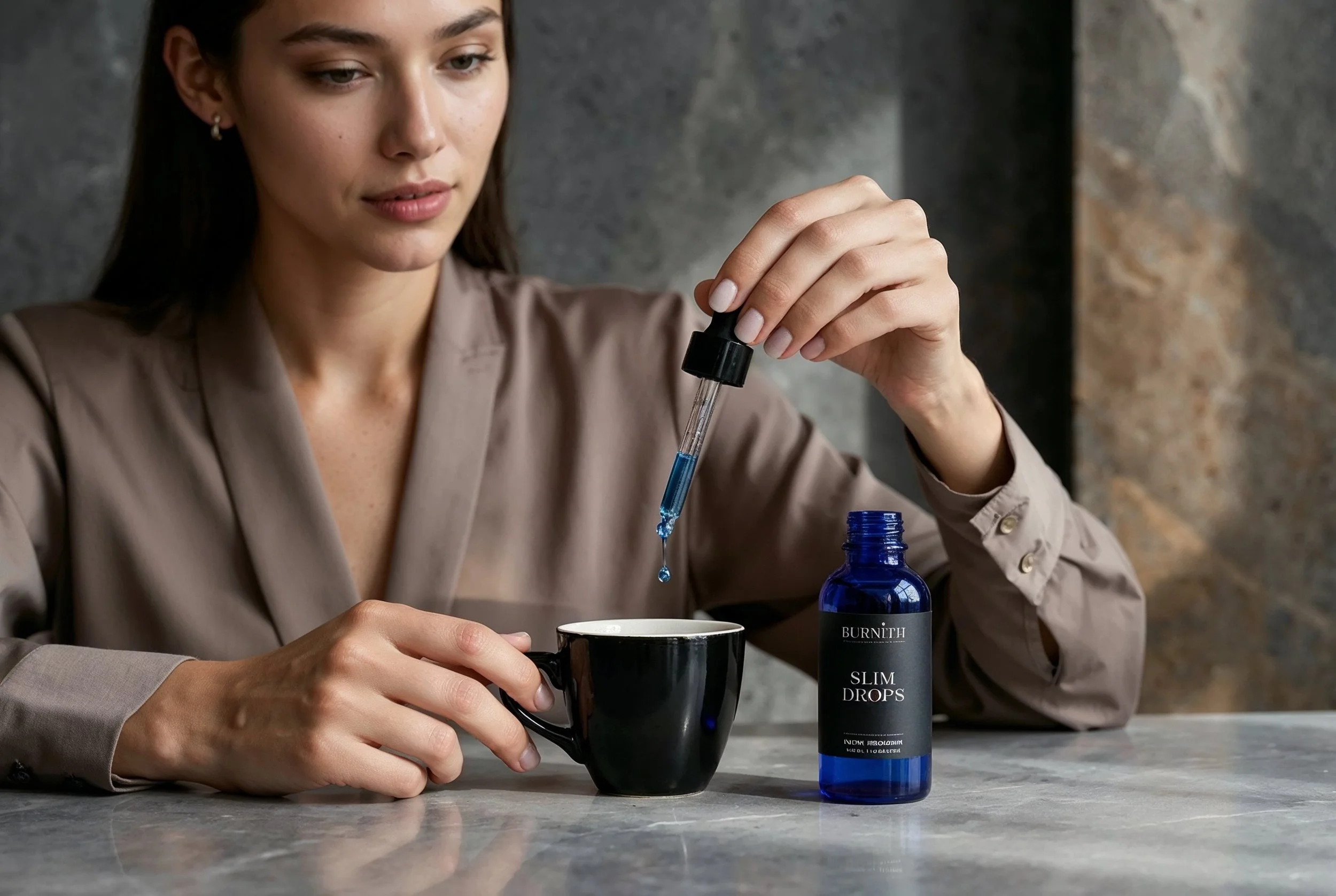
Some are prompt shops: they run a brief through Midjourney or Nano Banana, pick the best output, and hand it over largely untouched. Others treat AI as one stage in a longer pipeline, generation feeds into compositing, retouching, colour work, and a manual pass that catches everything the model got wrong.
The gap between these two shows up fast in the final file: distorted hands, warped logos, skin that looks plastic, reflections that don't match the light source, product typography that's subtly off. These are the classic AI failure points, and they're precisely where a compositing background matters. A studio that's spent years matching plates, correcting perspective, and rebuilding blown highlights by hand brings that same discipline to an AI-generated base image. A studio that's only ever prompted doesn't have that muscle to fall back on.
The Questions Worth Asking Before You Hire
Before you look at pricing or turnaround time, ask a few things that actually tell you how the work gets made.
Ask to see work in your category specifically. A studio that's excellent at fashion retouching may have never touched an industrial product shot, a bottle label, or a food composite, and those each carry their own technical traps.
Ask who does quality control, and on what. Skin texture, hands, hair, jewellery, fine fabric, and product branding are the areas where AI output still needs a trained eye and manual correction; if nobody on the team can name these as known risk areas, that's a signal.
Ask what happens to the source files and prompts. You want clarity on whether you own the final assets outright and whether the process can be reproduced or adjusted later without starting from zero.
Ask how much of the final image is AI-generated versus manually composited or retouched. Not because one answer is automatically right, but because you should know the answer before the client, or a regulator, asks you.
Why the Legal Landscape Just Raised the Stakes
Two developments this year make that last question less theoretical.
In March 2026, the US Supreme Court declined to hear the Thaler v. Vidal case, leaving intact the lower court rulings that there's no copyright without a human author. In practice, a fully AI-generated image with no meaningful human creative input may belong to no one, which means your brand has no ownership claim to defend if the image ends up too close to someone else's work.
Separately, New York's General Business Law Section 396-b takes effect on 9 June 2026, requiring disclosure when a "synthetic performer," a digitally created figure meant to look human, appears in advertising distributed in the state. Penalties run from $1,000 for a first violation to $5,000 for repeat offences, per advertisement.
Neither of these laws is unique to New York in spirit; more jurisdictions are moving the same direction. The practical takeaway for anyone hiring an AI imagery partner: substantial human creative input isn't just a craft question anymore, it's what makes the resulting asset legally yours and, in some markets, what determines whether you need to disclose how it was made at all.
What Actually Separates a Good Partner From a Risky One
Put the trust data and the legal shift together and a pattern emerges. The agencies doing this well aren't the ones generating the most synthetic imagery; they're the ones using AI as an accelerant inside a workflow that still has a human finishing pass. Some of the categories leaning hardest into "No AI" disclaimers right now, beauty, baby care, food, luxury, are exactly the categories where authenticity carries the most commercial weight, and they're responding to real consumer sentiment, not a hypothetical one.
A good partner will be upfront about where AI sits in their process rather than treating it as either a selling point or something to hide. They'll show you the retouching and compositing pass, not just the generation step. And they'll have an opinion on when AI is the wrong tool for a given brief, which is often a better signal of expertise than a portfolio full of flawless renders.
Where We Fit Into This
At 35milimetre, AI has become part of our process over the past year, mostly at the concepting and exploration stage, where it's genuinely useful for moving fast between visual directions before committing to a final look. The compositing, retouching, and finishing on delivered work stays manual, done by people who've spent years correcting exactly the kind of detail AI still gets wrong: skin, reflections, product accuracy, brand typography. That split isn't a marketing position; it's the version of this workflow that currently carries the least risk to the client's brand and to the client's legal standing.
The Takeaway
Choosing an AI imagery partner in 2026 isn't really about picking the agency with access to the newest model. Everyone has access to more or less the same models. It's about picking the one that treats AI as a tool inside a disciplined production process, one with real quality control, clear ownership of the output, and an honest answer to how much of the final image is human-made. That's the difference that shows up in the final file, and increasingly, the difference that shows up in whether you're legally and reputationally covered when the client asks.
If you're weighing this decision for an upcoming project, we're happy to talk through where AI genuinely helps and where it doesn't.
