

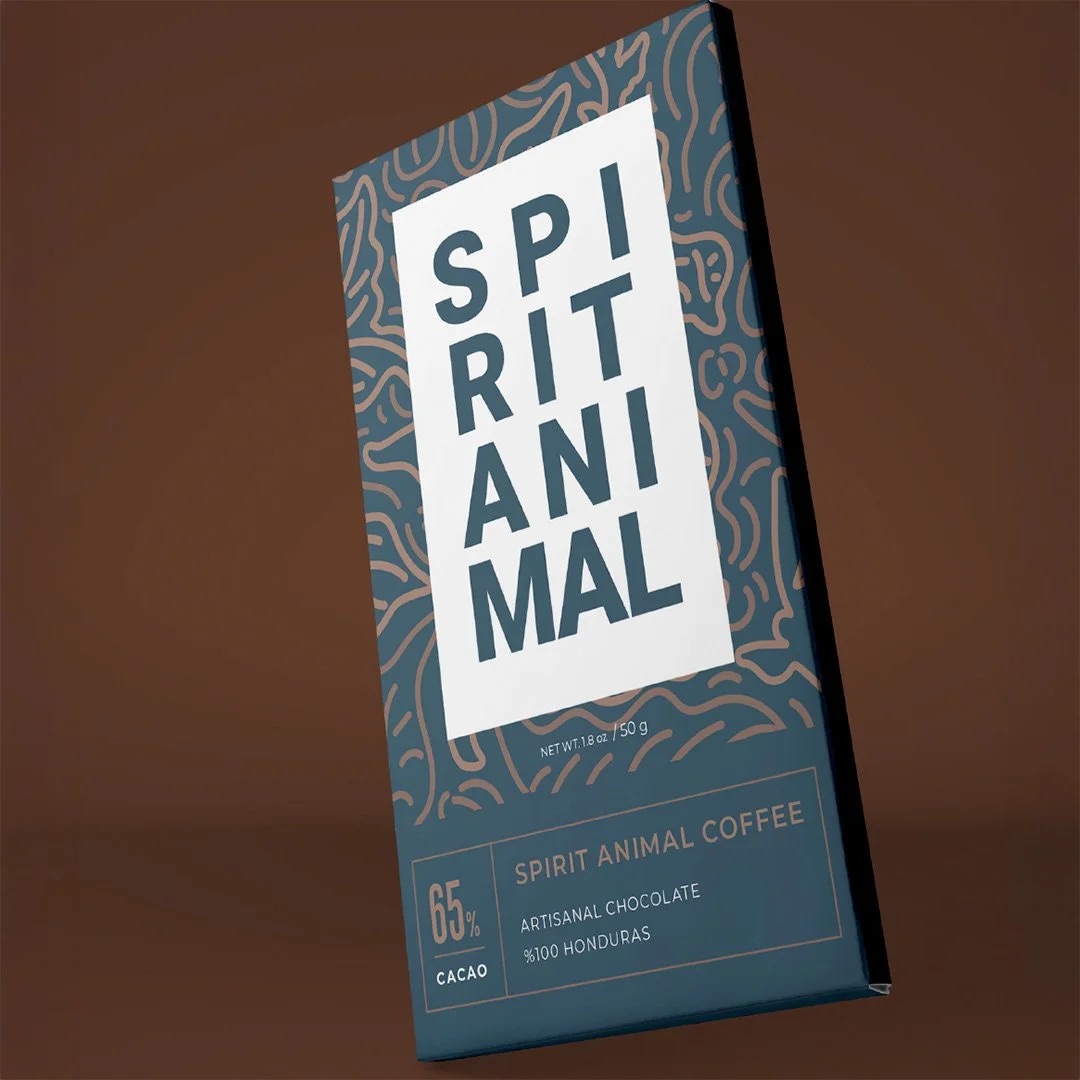
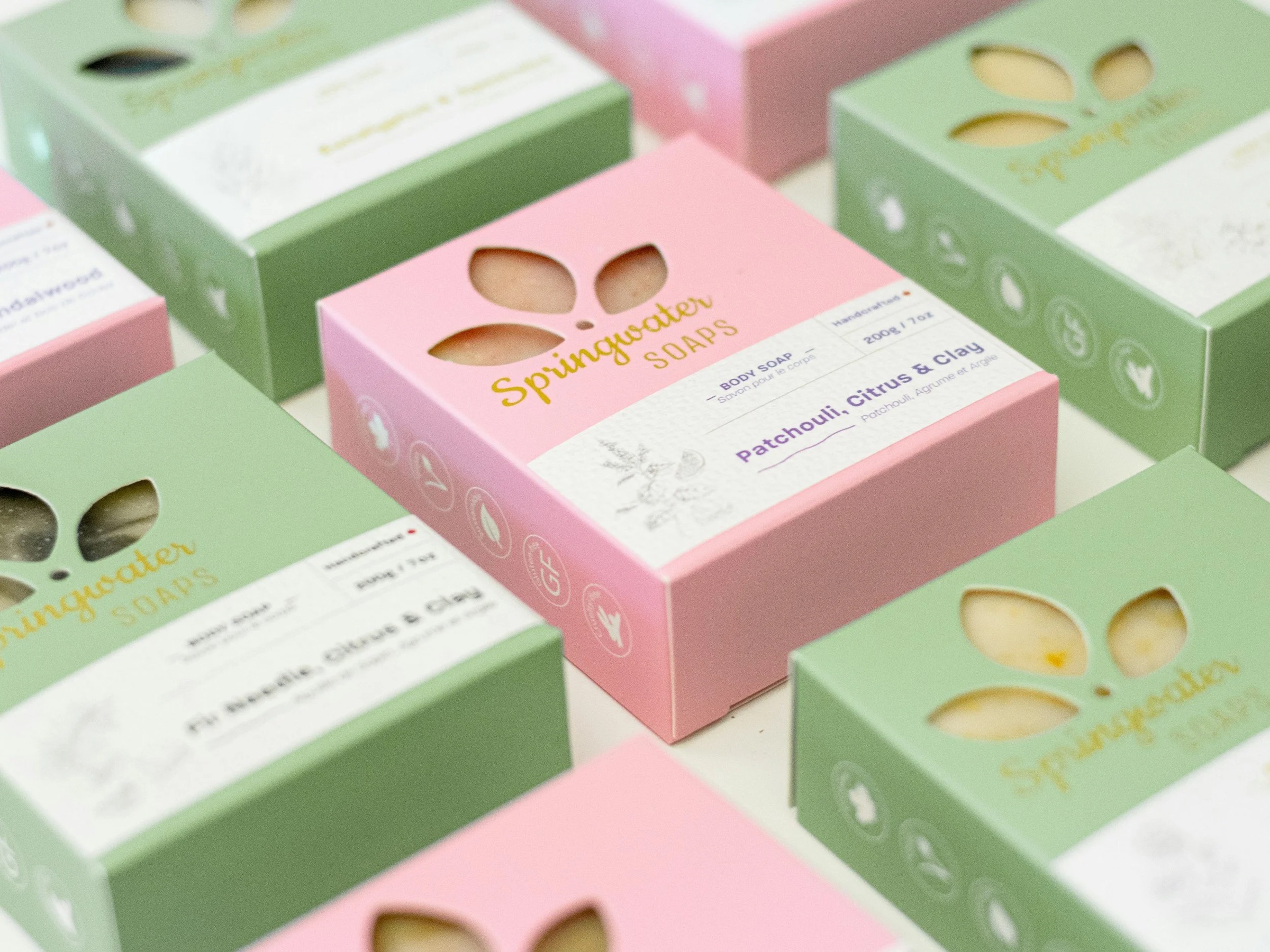
There's a quiet mismatch happening in packaging design. The moodboards look better than ever. The final artwork that lands at the printer is, on average, in worse shape than it was five years ago. We see it when files come through us for CGI; labels arrive as PDFs of Instagram-ready compositions, not as print-ready files with dielines, spot colours, and foil maps separated. The studio that designed the pack has done a beautiful brand exercise and stopped halfway.
2026 packaging trends point toward hand-drawn, imperfect, craft-forward labels (Zenpack, Greatergood reports), alongside tighter EPR compliance requirements across Europe. The brands that win on shelf are the ones whose studio can design the label and hand off files that both a printer and a CGI team can open without rebuilding. This piece is about finding that studio.
What should a packaging design studio actually deliver?
The deliverables list, in rough order of importance: dielines (the structural cutter guide, either supplied by the printer or built by the studio), print-ready artwork at correct size with bleed, spot colours specified (Pantones, foils, spot UV, emboss/deboss zones), separated colour layers so the printer can proof individual plates, packaging flats, packaging mockups (the brand-facing visuals), and in 2026 increasingly CGI-ready artwork files (label flats as layered, vector-based files with the foil map separated as its own element so a 3D studio can apply it as a material).
If the studio you're briefing can't tick most of that list without external help, you're not getting shelf-ready artwork. You're getting a moodboard.
Why the print-production handoff keeps breaking
The reason this is getting worse, not better, is that the brand-agency stack has split. A strategy agency owns positioning. A packaging specialist owns the label design. A separate print-production house sometimes cleans the files. A CGI studio renders the visuals. Each handoff is an opportunity for artwork to drift. Colour values get flattened, layers get merged, foil maps get lost in export.
A studio that still owns the handoff; that supplies print-ready files to the printer, render-ready files to the CGI team, and takes responsibility for colour consistency across both; saves the brand at least one round of rework and often several weeks.
How do you tell the difference in a pitch?
A few practical tells. Ask to see the print-ready files from a past project, not just the finished packshot. A studio that does real production work will have clean, well-organised .ai or .indd files; layers named, swatches properly defined, artwork set up for the specific printer's requirements. Ask about spot colour and foil specification. A serious packaging studio will talk comfortably about Pantone Solid Coated, HKS series for the European market, foil stamping die specs, and spot UV minimums.
Ask about how they handle CGI-ready handoff. Increasingly, bottle and pack visuals are rendered in 3D rather than photographed. If the packaging studio has no process for supplying artwork that a 3D team can apply cleanly as a material, expect your CGI partner to rebuild the label; which they'll bill for.
What does "shelf-ready" mean in 2026?
Two things that were optional five years ago are now baseline. First, EPR (Extended Producer Responsibility) compliance; the packaging needs to meet the sustainability rules of every market where it's sold, which can mean different substrates, labelling claims, and recyclability markings per region. Second, adaptable artwork systems; the same pack across ten markets, in different languages, with different legal footers, without losing visual identity. A studio that designs for one market and calls it done is selling you a problem.
On craft: 2026's shelf favours hand-drawn marks, controlled imperfection, real typography over trend-driven sans-serifs, and a move away from the clean minimalism that dominated 2018-2022. The studios executing this well are the ones with illustrators and typographers in-house or on quick access, not the ones buying off-the-shelf type kits.
The underrated bit: label-to-render handoff
This is where a lot of briefs quietly fail. A bottle or jar gets designed by a packaging studio, photographed by a photographer, and then; when the brand needs a render for digital, a cropped pack shot for Amazon, or an ad visual; sent to a CGI team. The CGI team receives a PDF mockup with the label flattened, no foil map, no gloss/matte zones defined. They rebuild the label. The rebuild doesn't quite match. The brand signs off on an image that's subtly off from the printed pack.
Fix: the packaging studio supplies the label to the render team as a layered, vector-based file, with foils, matte/gloss zones, and spot colours as separate elements. It takes the packaging studio an extra two hours at export. It saves the project two days downstream.
How 35milimetre sits in the stack
We sit on both sides of this handoff; we do packaging and label design, and we do the CGI renders and post-production for brand imagery. For clients who come in with just a packaging brief, we deliver print-ready and render-ready files as a matter of course, because we know what's needed at the next stage. For clients who come in with just a render brief and a packaging deck from another agency, we'll often ask for a cleaner file set before starting; the two hours saved at the packaging studio's end become two days for us.
When one team owns the label design and the 3D visual, you skip a round. It's not the only reason to use a small senior studio, but it's a practical one.
Closing takeaway
The packaging studios worth shortlisting in 2026 are the ones that still think of the label as a file that goes to a printer and a render team; not just an image that looks good on Instagram. It's an unglamorous part of the job. It's also the part that decides whether the pack looks right on shelf and on screen.
If you're briefing a beverage or FMCG project and want the artwork to flow cleanly from design to print to render, we're happy to talk.